
Do This Now
- 1 Pull every breath down 10dB to 15dB with clip gain before the vocal reaches a single plugin.
- 2 Compress in stages. An optical taking 2dB to 4dB, then a fast FET taking 3dB to 5dB on peaks only.
- 3 Tune graphically first, then run a fast real-time pass at 5ms to 15ms so it never has to hunt for the pitch.
- 4 Widen with a 15ms and 25ms stereo slap, detuned 9 cents down on the left and up on the right, zero feedback.
- 5 Keep the vocal reverb under a second and cut everything below 300Hz on the return.
Playing connects you to YouTube, which may set cookies.
Modern pop, hip-hop, and electronic music demand flawless, hyper-compressed, and perfectly tuned lead vocals. The expectations for vocal polish have never been higher, and listeners are immediately repelled by inconsistent dynamics or pitchy performances. The workflow for achieving this radio-ready vocal sound requires meticulous manual editing, surgical pitch correction, complex dynamic control, and expansive spatial processing.
Most producers fail because they attempt to fix fundamental recording issues with a single plugin on the master vocal chain. This approach always results in a smeared, artificial vocal that sits on top of the mix instead of inside it. This guide outlines the exact, unglamorous stages of professional vocal production, from the initial comping phase to the final master bus saturation pass.
The Foundation: Comping and Timing
Before any EQ, compression, or tuning touches the vocal track, you must build the perfect performance. In professional sessions, singers will record between ten and thirty takes of the same phrase. The producer's job is to slice together the best words, syllables, and breaths from these takes into one flawless composite track.
This is tedious, manual labor that cannot be automated. You must crossfade every single edit point manually at the zero-crossing of the waveform. Ignoring this step generates digital clicks and pops that will trigger your compressors aggressively further down the chain.
Manual Timing Corrections
Once the comp is assembled, the timing must be locked to the grid. A perfectly tuned vocal that drags behind the beat sounds tired and unprofessional. You must manually chop the vocal regions and slip them on the timeline to match the groove of the instrumental.
Do not rely entirely on automated time-stretching algorithms. Heavy time-stretching introduces phase artifacts and softens the explosive consonants that give a vocal presence and attitude. Cut the waveform in the empty space before a hard consonant (like a 'k' or 't') and manually snap that transient to the correct 16th or 32nd note grid line.
Managing Breaths and Sibilance
Breaths are a critical part of a human performance, but heavy modern compression will make them sound like a wind tunnel. You must manually automate the clip gain of every single breath down by roughly 10dB to 15dB before the vocal hits any plugins. This sounds natural while preventing the compressor from hyping the inhalation noises.
Similarly, aggressive "ess" and "tee" sounds will pierce through the densest mix and cause physical pain for the listener. Use clip gain to hollow out these high-frequency harsh consonants manually. A de-esser plugin acts as a safety net, but manual clip gain reduction on sibilance is the only way to retain the natural brightness of the vocal tone without the harshness.
The Science of Pitch Correction
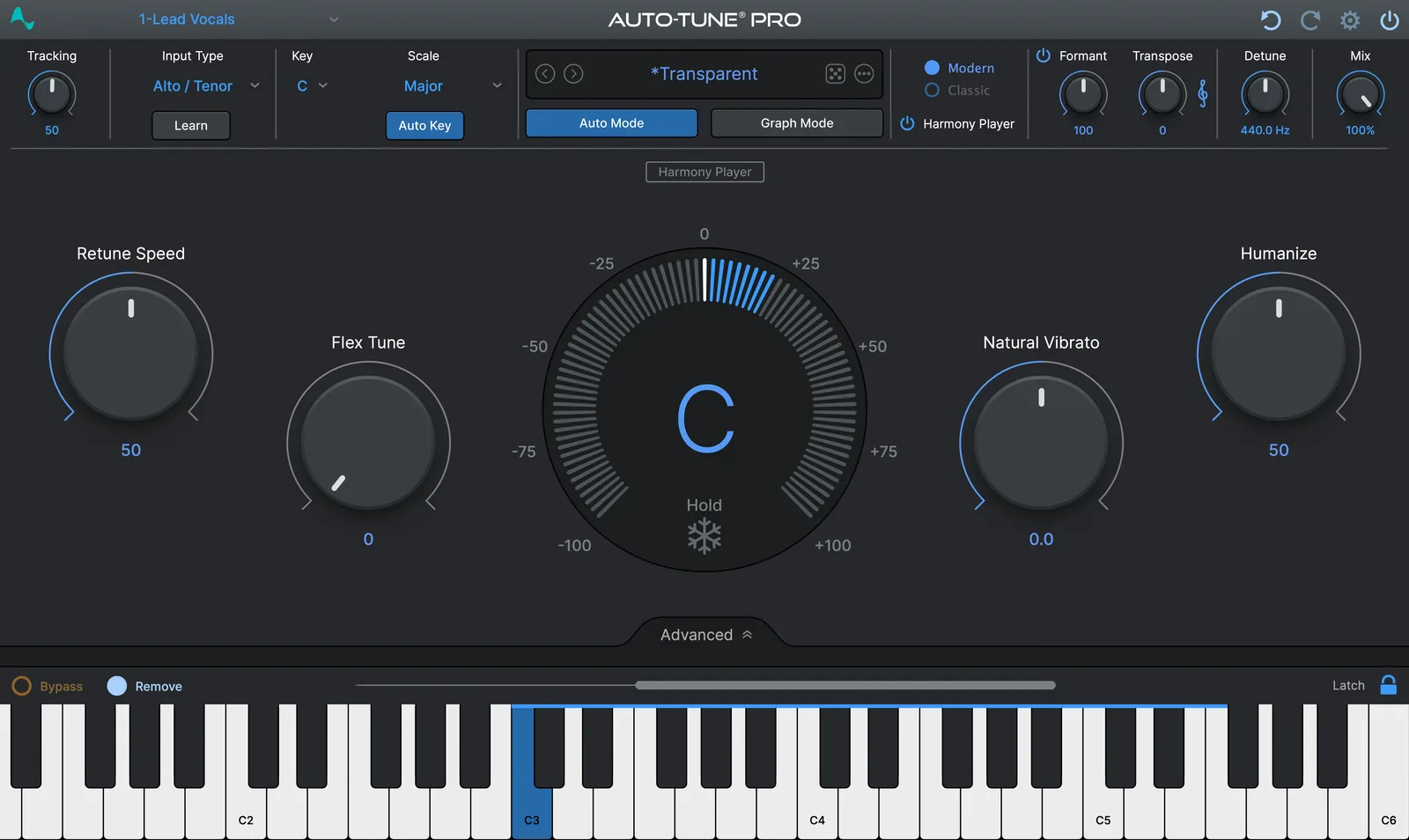
Tuning a vocal is not simply slapping an auto-tuner on the insert rack and turning the speed to zero. Modern vocal pitch correction requires a hybrid approach. It uses graphical pitch editors for natural control, followed by real-time tuning for that specific commercial gloss.
Graphical Pitch Editing
The first tuning stage requires a dedicated graphical pitch editor like Melodyne or VocAlign. This tool allows you to isolate individual notes, correct their pitch center, control their vibrato drift, and adjust their formant characteristics.
You must manually snap the core pitch block of every note to the exact center of the scale degree. However, you must carefully preserve the pitch transition between notes to maintain a natural human quality. If you flatten the transitions completely, the vocal instantly sounds robotic and lifeless.
Vibrato Control and Formant Shifting
The vibrato of an amateur singer often wavers wildly outside the acceptable pitch boundaries. Use the graphical editor to compress this vibrato variation down to a manageable modulation depth. This keeps the emotion of the vibrato intact while locking the fundamental frequency firmly in tune.
Formant shifting allows you to alter the resonant characteristics of the singer's throat digitally. Pulling the formant down slightly gives a thin vocal more body and authority, making an aggressive rap vocal cut through massive 808s. Pushing the formant up slightly creates a brighter, thinner, more pop-oriented sheen.
The Real-Time Polishing Pass
Once the vocal is perfectly in tune via graphical editing, you run it through a real-time auto-tuning plugin. Set the retune speed to an aggressively fast setting (between 5ms and 15ms) and restrict the scale to the song's exact key.
Because you have already perfectly centered every note with the graphical editor, the real-time auto-tuner does not have to hunt for the correct pitch. It simply grabs the already-tuned audio and applies that microscopic, instantaneous "snap" to the transients. This generates the expensive, hyper-modern, slightly robotic pop shimmer without creating nasty, accidental warbling artifacts on sustained notes.
Dynamic Control: The Serial Approach
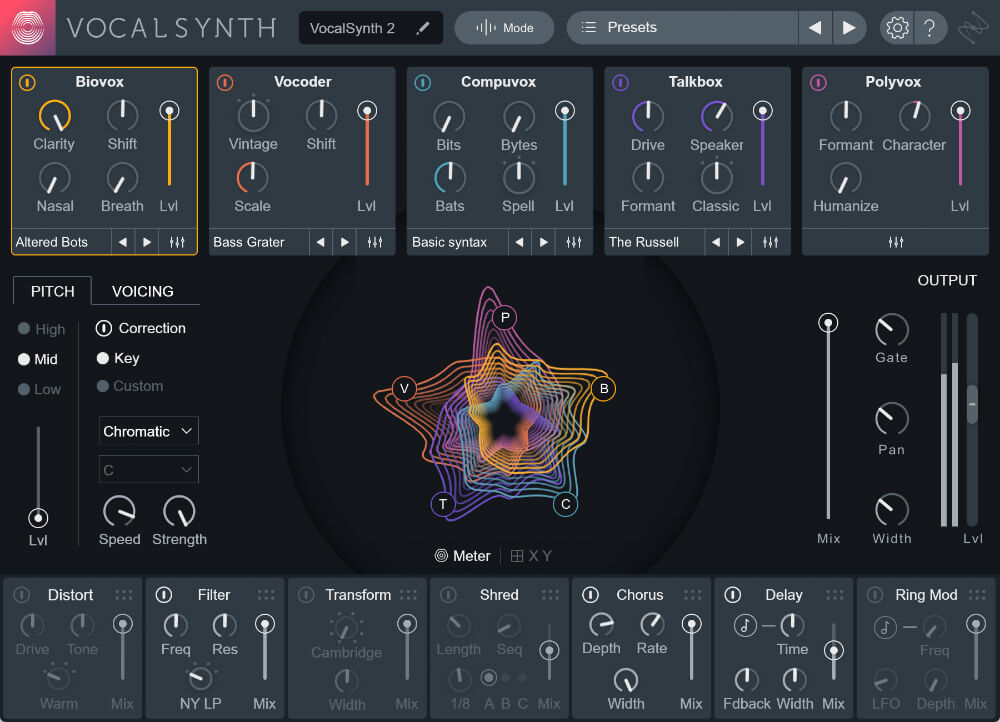
A lead vocal must sit completely still in the mix. It cannot vanish behind the guitars during the verse, and it cannot leap over the drum bus during the chorus. The dynamic range of a modern vocal is typically less than 3dB from start to finish.
Achieving this relentless consistency requires serial compression. This means using multiple compressors running into each other, each performing a very specific task. A single compressor trying to grab 15dB of gain reduction will suck the life out of the performance and create massive pumping artifacts.
The Leveling Amplifier
The first compressor in the chain is typically a slow optical leveling amplifier, such as the famous LA-2A. This compressor reacts sluggishly to the audio signal. It essentially rides the volume fader automatically, bringing up the quietest phrases and gently pushing back the loudest shouts.
Set this optical compressor to grab 2dB to 4dB of gain reduction on average, allowing the peaks to pass through relatively unscathed. The goal is to establish a solid foundation of volume, not to destroy the transient impact.
The Fast Peak Catcher
Following the optical leveler, you need an aggressively fast FET compressor, like the classic 1176. This unit catches the explosive transients and loud, sharp syllables that the slower LA-2A missed completely.
Set the attack time exceptionally fast (under 1ms) and the release time extremely fast as well. You want the compressor to clamp down on the sharp transient and let go immediately before the body of the word arrives. Set the unit to achieve another 3dB to 5dB of gain reduction only on the loudest, quickest peaks.
Parallel Vocal Compression
Even with intense serial compression, a vocal can sometimes sound too clinical or thin compared to the rest of the mix. This is where parallel compression, or "New York Compression," becomes necessary.
Route the lead vocal to a separate auxiliary fader. Insert a vicious, pumpy compressor on this aux track and utterly destroy the signal with 15dB to 20dB of gain reduction. Add intense EQ to this destroyed track, scooping out the muddy lower mids and aggressively boosting the high "air" frequencies. Blend this highly compressed track gradually up underneath your main clean vocal until the sheer density of the performance completely locks it into the instrumental track.
- Optical stage
- 2-4dB reduction
- FET stage
- 3-5dB, attack under 1ms
- Parallel aux
- 15-20dB reduction
- Target range
- Under 3dB start to finish
Spatial Mixing: Dimension and Depth
A perfectly tuned, relentlessly compressed vocal will sound like a sterile voiceover advertisement unless you place it inside a convincing acoustic space. Reverb and delay are not mere effects, they are the environment your vocal lives in. The modern vocal sound relies on short, tight spaces combined with massive, automated throws.
Short Delays and Micro-Pitch Shifting
To make a lead vocal wider without pushing it backward in the mix, you use micro-pitch shifting and extremely short slap delays. Set up a stereo delay with 15ms on the left channel and 25ms on the right channel, with zero feedback.
Detune the left channel slightly down by 9 cents and the right channel up by 9 cents. When you aggressively high-pass this return and blend it beneath the lead vocal, it creates an immense stereophonic spread. The vocal immediately sounds twice as wide without losing any frontal punch or intelligibility.
- Left delay
- 15ms, detune -9 cents
- Right delay
- 25ms, detune +9 cents
- Feedback
- Zero
- Return
- High-passed, blended under
The "Invisible" Reverb
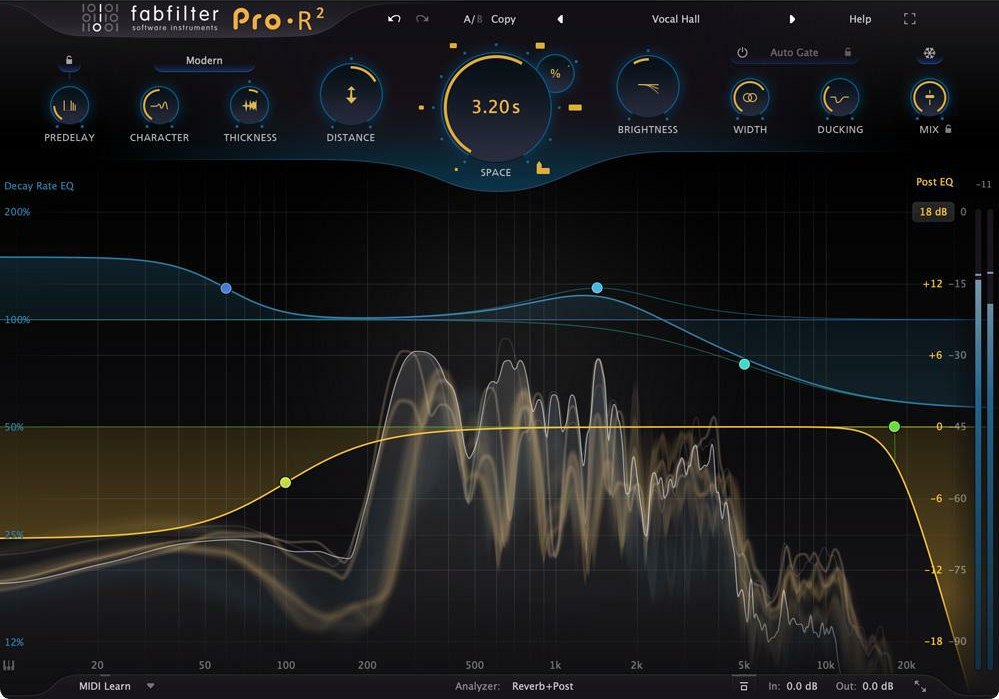
Long algorithmic reverbs push a vocal backward, drowning the lyrics in a wash of noise. Modern pop vocals rely on extremely short decay times (under 1 second) mimicking small booths or tight drum rooms. The goal is to add spatial density, not a recognizable echo.
Insert an EQ after this short room reverb and aggressively cut any frequencies below 300Hz. Low-end reverb rumble instantly ruins the clarity of the lower vocal notes and muddies the bass instruments in the rest of the mix.
Automated Delay Throws
Instead of running a quarter-note delay constantly throughout the song, you automate "throws." A constant long delay clutters the rhythmic pocket of the track and interferes with the drum groove.
Route a send from the lead vocal to a quarter-note or eighth-note tape delay auxiliary track. Leave this send completely muted for the majority of the vocal phrase. Only automate the send volume up for the very last word of a crucial phrase or before a massive drop into the chorus. The specific word echoes dramatically into the empty space, providing huge emotional impact while keeping the dense sections completely dry and focused. This intelligent spatial management creates a dynamic, stadium-sized vocal that never loses definition.
Related Articles
The 7 Best Vocal Reverb Plugins for Professional Mixes
Discover the 7 best vocal reverb plugins to sit lead vocals perfectly in a mix without muddying the low-end. Field-tested in professional sessions.
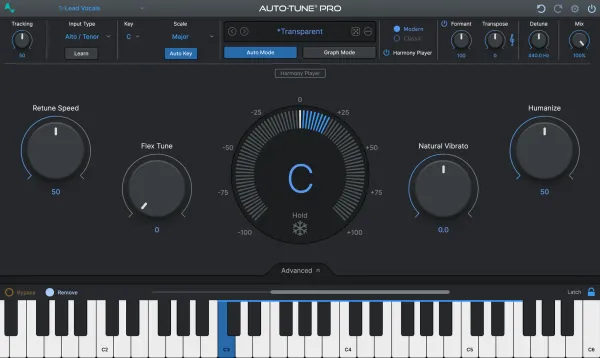
7 Best Vocal Tuning Plugins for Pitch Correction
Seven vocal tuning and pitch correction plugins compared, from AutoTune Pro 11 and Melodyne 5 to Nectar 4 and reTune, scored on artifacts, graph editing and CPU.
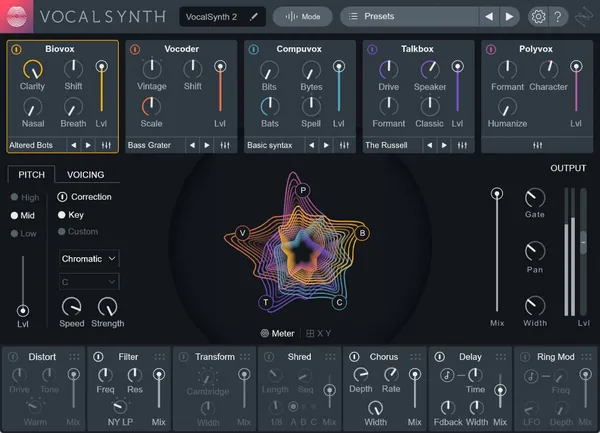
7 Best Vocal Plugins for Professional Mixes
Our review of the most effective vocal processing tools. We tested Antares, iZotope, and more to find plugins that actually survive a dense mix.
Frequently Asked Questions
Should I tune vocals before or after compression?
Tune first. Pitch correction tracks pitch more reliably on a signal with its natural dynamics intact, and compressing first raises the noise and breath that confuse the detector.
How do I use pitch correction without the artefact sound?
Lengthen the retune speed until the natural scoops between notes survive, and correct obvious problem notes by hand rather than raising the strength globally. The robotic sound comes from fast retune times, not from the amount of correction.
What is serial compression on vocals?
Two or more compressors each doing a small amount of work rather than one doing all of it. A slower opto-style compressor levelling the performance followed by a faster FET-style one catching peaks sounds more natural than either at heavy settings.
How much de-essing is too much?
If the vocal starts to lisp, you have gone past it. De-essing works best as a narrow dynamic cut triggered only on the sibilant, rather than a broad high-frequency reduction that dulls every consonant.
More Guides
All Guides →Reverb for Cinematic Mixing: Building Depth in a Sampled Orchestra
How to place a sampled orchestra in one believable room using pre-delay, early reflections, and a send architecture instead of insert reverbs.
Granular Synthesis Demystified
A technical breakdown of granular synthesis, grain size, pitch manipulation, and practical sound design applications for modern electronic production.
Advanced Saturation and Distortion in Mixing
A technical breakdown of harmonic generation, comparing tube, tape, and solid-state topologies with actionable routing strategies for modern production.
New reviews, no noise
Occasional email when we publish something worth your time. No daily digest, no vendor press releases.
We store only your address, never sell it, and delete it as soon as you unsubscribe. See our privacy policy.

Felix Ward
Felix is an indie-folk songwriter and session guitarist who values vibe over perfection. He looks for tools that potentialize 'happy accidents' and offer immediate inspiration. If a plugin requires reading a 100-page manual, he's probably already moved on.