
Solid State Logic Mix Glue
SSL Native Bus Compressor 2
A cue is mixed to survive the dub, not to win a loudness war.
Mixing for picture is a different job from mixing a record. The cue you deliver will have dialogue laid over it, effects cut into it, and its level ridden by someone you will never meet. What reaches the audience is whatever is still legible after all of that, which is why the mixes that hold up are the ones with midrange discipline and dynamic range left in them.
We test these tools on dense orchestral and hybrid sessions, where a compressor has to glue thirty tracks of sampled strings without flattening the crescendo, and an EQ has to separate violas from horns that were recorded in different halls.
We prioritise three things:
Our curated lists below cover the essentials.
New to Mixing? These are the roundups worth reading first.
Current discounts on products we have reviewed. Prices are the store's own, last checked 27 October 2026.
SSL Native Bus Compressor 2

UAD 1176 Classic FET Compressor

Nx Ocean Way Nashville
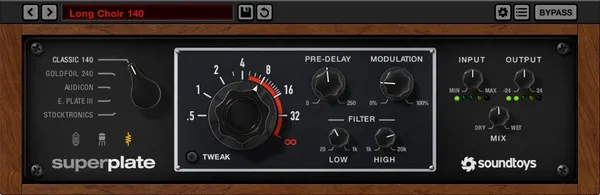
VintageVerb is fifty dollars and runs on nothing, which makes replacing it a strange goal. Here is when it is the right one, and what to reach for instead.
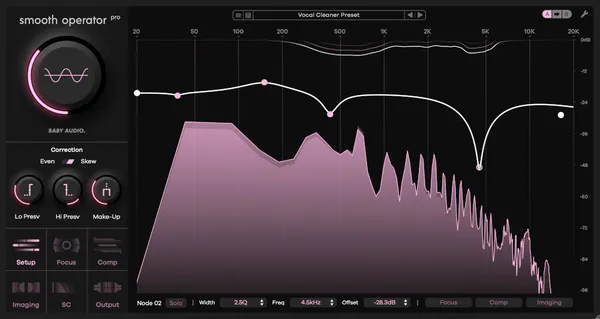
soothe2 finds resonances and pulls them down before you know they are there. Name the problem yourself and four cheaper plugins solve it just as well.

The best analog bus compressors for mix glue, scored on punch, saturation and routing: SSL and API emulations from Solid State Logic, UA, IK and Safari Pedals.
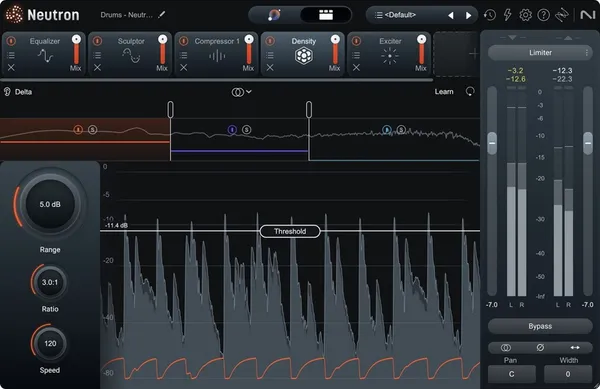
Discover the best AI mixing plugins to speed up your workflow. We review top machine learning tools like iZotope Neutron, Sonible smart:EQ, and smart:comp 3.
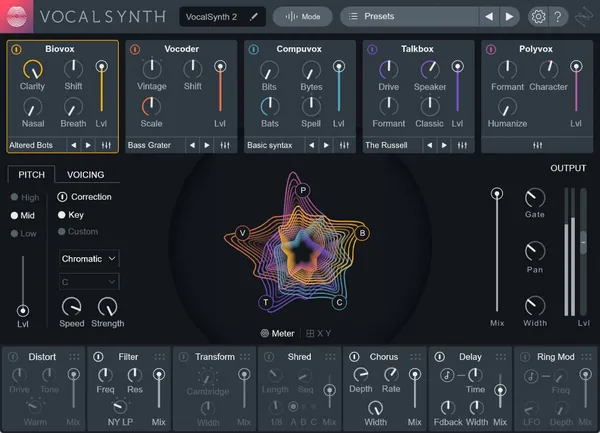
Our review of the most effective vocal processing tools. We tested Antares, iZotope, and more to find plugins that actually survive a dense mix.
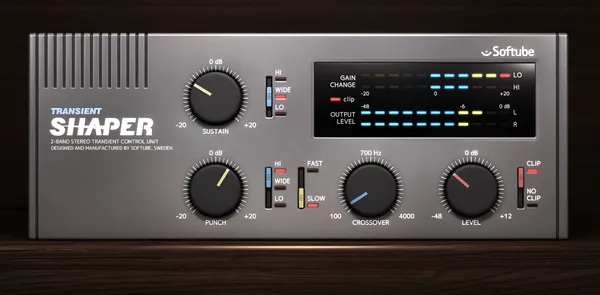
Eight transient shaper VST plugins for drums compared by job: Softube for the drum bus, Smack Attack for maximum attack, Envolution for ringing tails, Kilohearts for free.
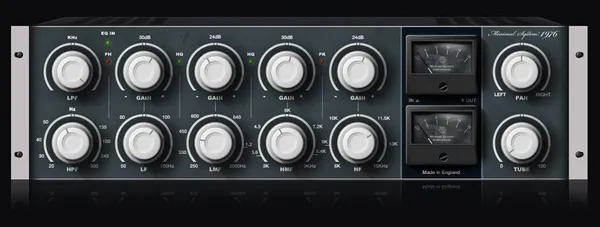
A comprehensive guide to the best EQ plugins, covering everything from surgical digital correction to vintage analog console emulation.
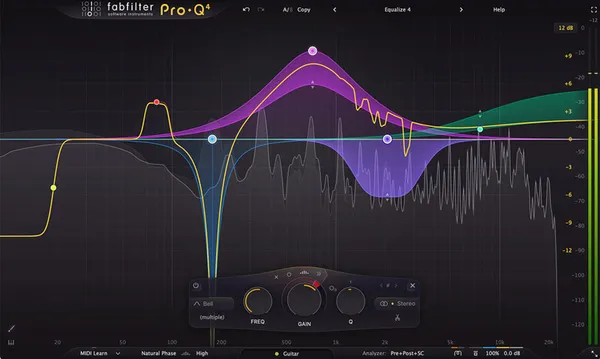
The absolute basics. We review the 7 indispensable plugins (Pro-Q 3, Ozone) that should be in every mixing template.
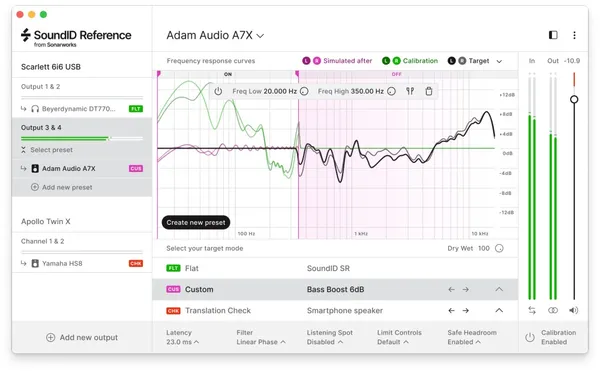
Fix your mix without the fiberglass. We review the best acoustic treatment plugins, room correction software, and headphone calibration tools.
Stick your mix together. We review the legendary SSL and API bus compressor emulations that give your track that finished 'record' sound.
A cue is not the final playback object. It sits under dialogue and effects and gets re-balanced in the dub, so the priorities are dynamic range and midrange clarity rather than loudness and impact.
Stems, unless you have been told otherwise. Most productions want the cue split into orchestral, synth, percussion and vocal groups so the dub can re-balance against dialogue. Agree the stem layout before you start mixing, because restructuring busses afterwards is expensive.
Roughly 1 to 4 kHz, where speech intelligibility lives. A cue that crowds that band gets pulled down as a whole in the dub, so carving it during the mix costs you far less level than leaving it.
Peak around -6 dBFS. That leaves the mastering or dub stage something to work with, and keeps intersample peaks from clipping once the cue is encoded for review copies.
At conversational level, around 75 to 83 dB SPL. Monitoring loud fatigues your hearing and flatters the low end, so balances decided at high level rarely survive a listen the next morning.
In a small room, yes. Bass traps and first-reflection absorption let you hear the speakers rather than the room, which is what makes a low-end decision in an untreated space untrustworthy in the first place.