
Last Updated: October 2026
Best Piano and Keyboard VSTs (2026)
Every song needs a foundation.
Pianos and keys provide the harmonic bed for your track. You need instruments that feel alive under your fingers. We tested the Best Piano VSTs and Keyboard Libraries to find the ones with soul.
The Criteria
We look for connection and nuance:
- Resonance: Do the strings vibrate sympathetically when the pedal is down?
- Velocity Curve: Is there a smooth gradient from soft to loud?
- Character: Does it sound like a sterile recording, or a living instrument?
Our curated lists below cover the essentials.
Start here
New to Keys? These are the roundups worth reading first.
- The Best Cinematic Pianos for 2026 We tested 50 libraries to find the best cinematic piano VSTs for 2026. Our top picks for film scoring, trailers, and emotional ambiances.
- 7 Best Piano VSTs for Composers (2026) Seven grand piano VSTs compared for composers, from Noire and Pianoteq 9 to Addictive Keys, Session Keys and Ascend, on definition, tone, range and footprint.
- Best Electric Piano VSTs (2026): Rhodes & Wurli Add vintage warmth to your tracks. We review the best Rhodes, Wurlis, and Tape-processed keys (Keyscape, Lofi Glow) for nostalgic vibes.
Keys deals
02 / LIVECurrent discounts on products we have reviewed. Prices are the store's own, last checked 27 October 2026.


Keys
•
By Felix Ward
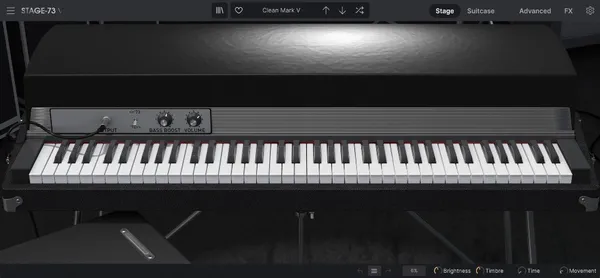
3 Best Pipe Organ VSTs for Scoring (2026)
Three Kontakt pipe organs scored from composer reports, plus the honest answer about why none of them will satisfy you on an exposed classical organ line.
Read Review →
Keys
•
By The ModWheel Team
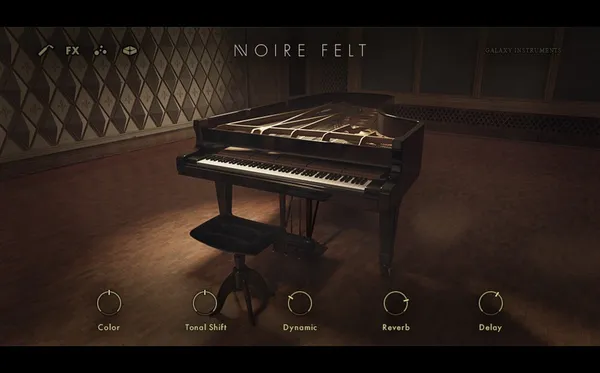
Best Keyscape Alternatives
Keyscape is a collection, and almost nobody uses the collection. Name the two keyboards you actually play and the alternative costs a fifth as much.
Read Review →
Keys
•
By Felix Ward
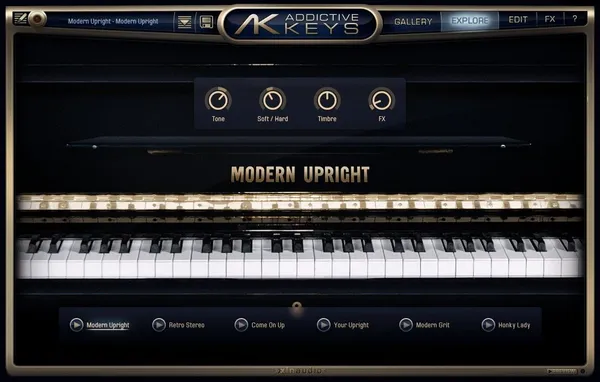
7 Best Piano VSTs for Composers (2026)
Seven grand piano VSTs compared for composers, from Noire and Pianoteq 9 to Addictive Keys, Session Keys and Ascend, on definition, tone, range and footprint.
Read Review →
Keys
•
By Felix Ward
7 Best Upright Piano VSTs for Lo-Fi Hip Hop (2026)
Discover the best upright piano VSTs for lo-fi producers. We review top lo-fi piano plugins like Addictive Keys, Session Keys, and Pianoverse.
Read Review →
Keys
•
By Ewan Clarke
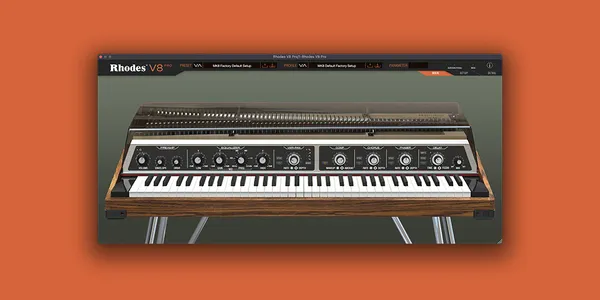
Best Electric Piano VSTs (2026): Rhodes & Wurli
Add vintage warmth to your tracks. We review the best Rhodes, Wurlis, and Tape-processed keys (Keyscape, Lofi Glow) for nostalgic vibes.
Read Review →
Keys
•
By Ewan Clarke
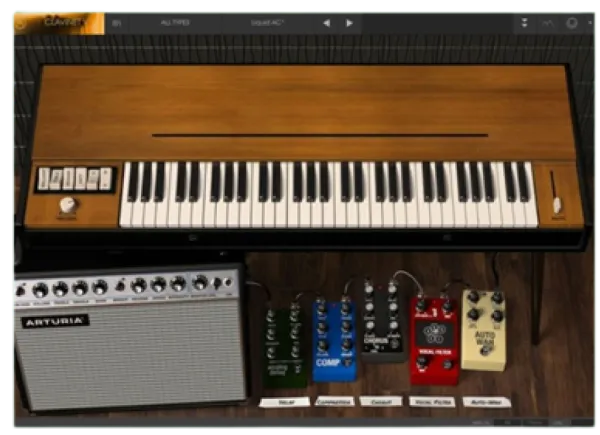
Best Clavinet VSTs (2026): Funk, Soul & Retro Scoring
Get the funk. We review the best Clavinet D6 emulations (Arturia, Scarbee) for authentic wah-wah rhythms and groovy basslines.
Read Review →
Keys
•
By Ewan Clarke
The Best Cinematic Pianos for 2026
We tested 50 libraries to find the best cinematic piano VSTs for 2026. Our top picks for film scoring, trailers, and emotional ambiances.
Read Review →
Keys reviews
Frequently Asked Questions
Weighted vs. Synth action?
Weighted keys simulate the hammers of a real piano, essential for expressive playing. Synth action is lighter and faster, better for organ slides and rapid lead lines.
Physical Modeling vs. Sampling?
Sampling plays back recordings of a real instrument (realistic but static). Physical modeling calculates the sound in real-time (expressive and organic but CPU intensive).
What is 'Prepared Piano'?
A technique where objects (screws, felt, rubber) are placed on or between the strings to alter the timbre. It creates percussive, otherworldly, and avant-garde textures.
Layering pianos?
Try layering a dark, cinematic felt piano with a bright attack (like a mallet or harp) to create a unique composite sound that cuts through a mix while staying warm.
Pedal noise?
Mechanical noises add realism. Good libraries let you control the volume of pedal stomps, key releases, and seat creaks to place the listener in the room.
Electric piano types?
Rhodes is warm and bell-like. Wurlitzer is grittier and more bitey. Clavinet is percussive and funky. Know which one fits the vibe of your song.