
Waves Sound Design
IR1 Convolution Reverb
The best orchestral VSTs for most composers are Cinematic Studio Strings for emotional string writing, CineBrass Core for cinematic brass and Voxos Epic Choirs for a choir that handles both the tender cue and the epic one. If you want one complete orchestra rather than building section by section, Hollywood Orchestra Opus Edition Diamond is the direct choice, and if the budget is zero, BBC Symphony Orchestra Discover is the best free starting point. Each call comes from the verdicts in the roundups below, and each links to the full comparison.
No library wins every section, which is why a working template is built from several. The picks below are grouped by the job they do, so you can buy for the gap you actually have.
Complete orchestras
A complete orchestra is the fastest way to a full template, and the trade is that every section comes from the same developer’s idea of how an orchestra should sound. Most working templates start with one and then replace the sections that matter most, usually strings first.
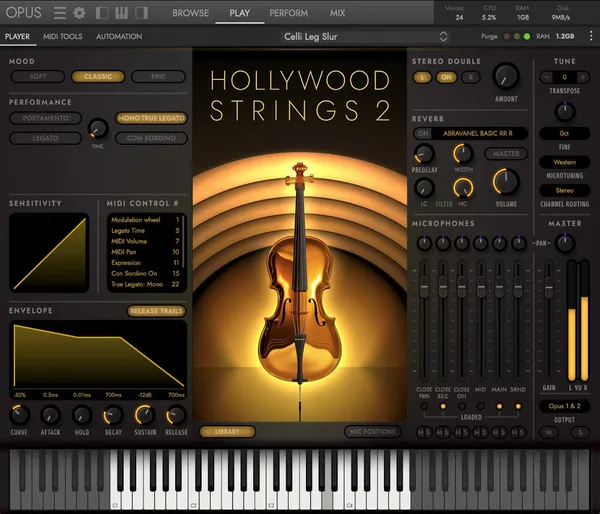
Strings
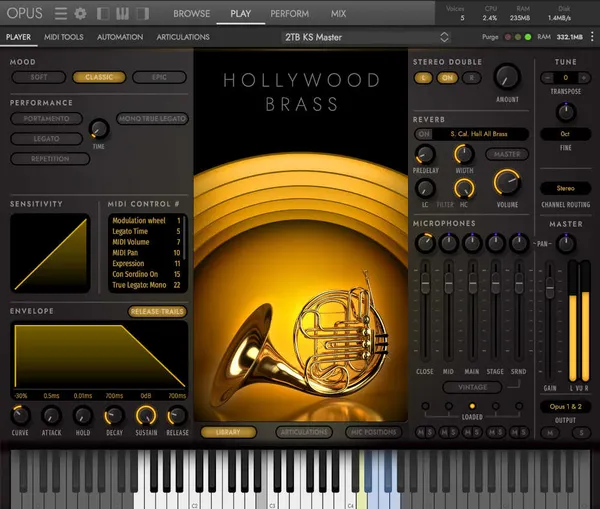
Brass
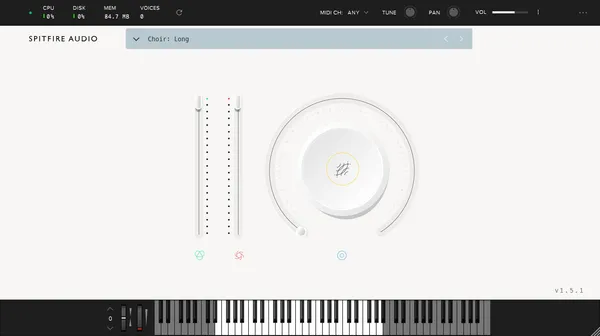
Choir and harp
Whole orchestras and free libraries
Mixing the orchestra
Strings get the most coverage because they carry the most of a cue. Cinematic, chamber and action strings split the section by job, while the double bass and cello roundups cover the low end and the solo voice. Brass, choirs, boy choirs and harp each have their own roundup. For complete orchestras, the BBC Symphony Orchestra alternatives roundup compares full orchestras recorded in one place, fantasy orchestras covers whole-orchestra palettes for magical scores, and the free roundup covers complete orchestras that cost nothing.
Woodwinds and mallets do not have a dedicated live roundup yet. For drums and hits, the cinematic percussion roundup sits in the Cinematic category.
Strings carry more of a typical orchestral cue than any other section, they are the hardest department to fake, and they are the one a listener identifies as synthetic first. A weak brass patch can be buried. A weak string patch is the cue.
Everything else can wait a purchase or two. Brass and woodwinds are more forgiving because they are used more sparingly, and percussion is the department where a general library gets you furthest.
This is the single choice that constrains everything you buy afterwards, and it gets less attention than it deserves.
A wet library is recorded in a scoring hall with the room baked into the samples. It sounds finished the moment you load it, and it will blend with anything else recorded in the same hall. A dry library is recorded close and neutral, which costs you an evening of reverb work and buys you total control over where the section sits.
The failure case is not choosing one over the other. It is mixing two wet libraries recorded in different halls, which no amount of processing reconciles, because you are hearing two rooms at once.
Chamber, full and ensemble are descriptions of how many players stood in the room, not of how good the library is.
Most templates end up holding at least two of the three, because a passage that needs weight and a passage that needs agility are not the same passage.
We prioritize three things:
Picks tested in our studio are labelled that way on their product cards, and a pick without that label was not tested by us.
New to Orchestral? These are the roundups worth reading first.
Current discounts on products we have reviewed. Prices are the store's own, last checked 27 October 2026.
IR1 Convolution Reverb

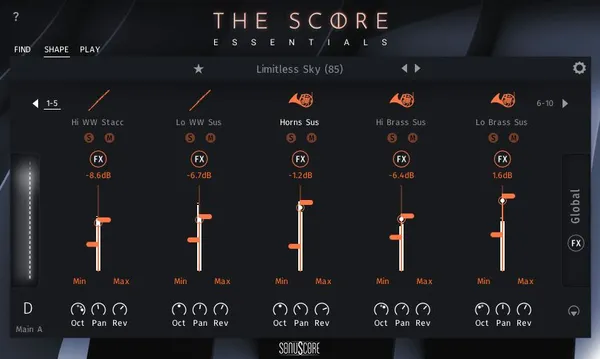
The Score Essentials

Hollywood Orchestra Opus Edition Diamond
BBCSO sells coherence, one orchestra in one hall through one interface. Here is what else offers that, and what it costs to assemble it yourself.
Solo strings expose every sample. Four libraries scored from what composers report after living with them, including the vibrato and tone complaints.
CSS is bought for one thing, which is the legato. Here is what matches it, what beats it elsewhere, and the delay everybody mentions after buying.
The free orchestral libraries actually worth your disk space, and an honest account of where each one stops being enough.
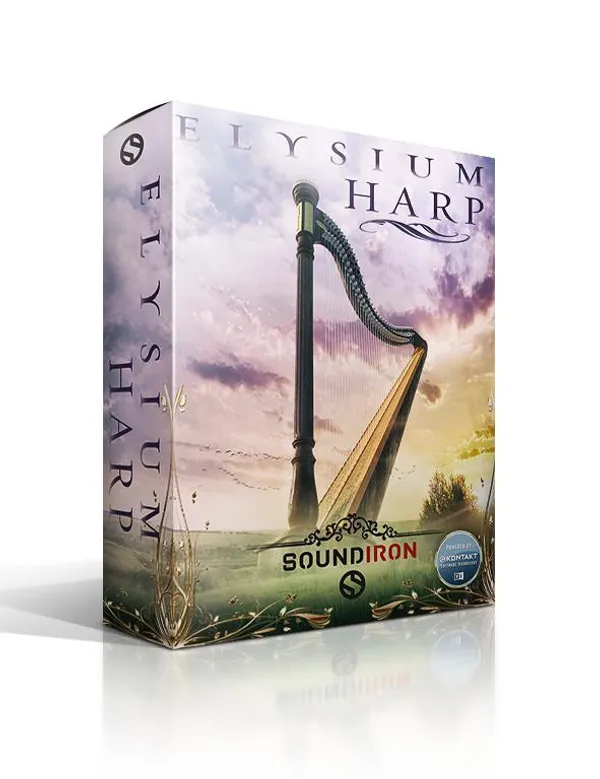
Glissandi that survive a busy mix. We tested seven harp libraries (CineHarps, Elysium, ha•pi) on scoring stage cues for tone, patch depth and playability.
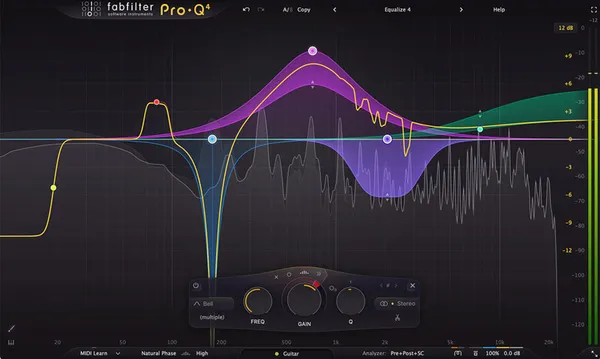
Don't color the sound. We look at the most transparent EQs (Pro-Q 4, Oxford EQ) for carving out space in dense orchestral templates.
Looking for the Hans Zimmer sound? We review the loudest, brashest brass libraries (CineBrass, Forzo, Metropolis Ark) for trailer production.
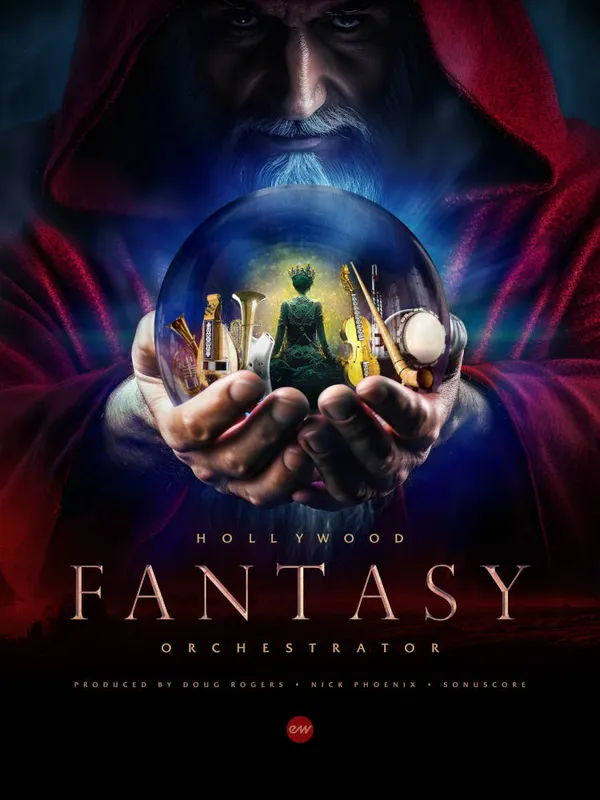
Score your RPG. We review the best orchestral libraries (Albion One, Fantasy Orchestra) specifically designed for magic and wonder.
Sing for the gods. We review the most powerful epic choir libraries (Requiem, Metropolis Ark) for massive cinematic scores.
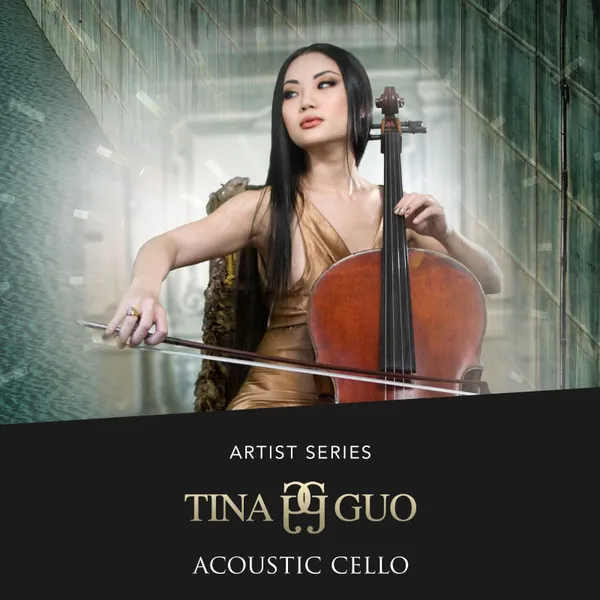
Reviewing the most expressive cello VSTs. We compare Tina Guo, Emotional Cello, and others to find the perfect solo sound.
The foundation everything sits on. We review seven orchestral bass sections (Majestica, Berlin Basses, CineStrings) for weight, short-note bite and clarity.
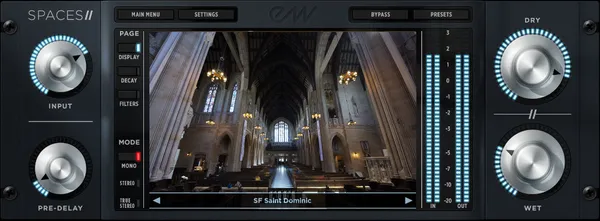
Put your instruments in a real hall. We review the top IR reverbs (Altiverb, Spaces II) for authentic orchestral blending.
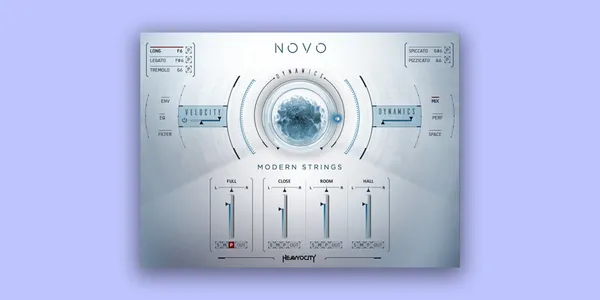
We tested the top string libraries for film scoring. From the lush legatos of CSS to the intimacy of Spitfire, find the best VSTs for emotional writing.
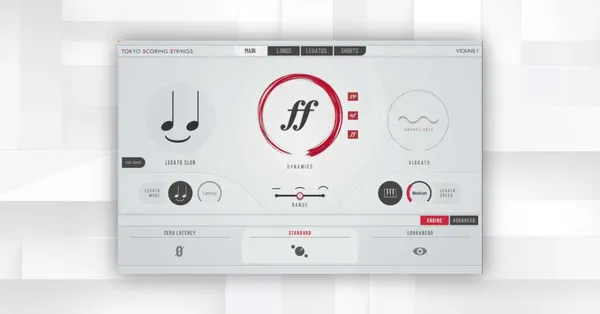
Small sections, big emotion. We review the best chamber string libraries (Spitfire, Tokyo Scoring) for intimate, detailed scoring.
Innocent yet creepy. We review the best children's choirs (Mercury, Liberis) for scoring horror intros and fantasy wonders.
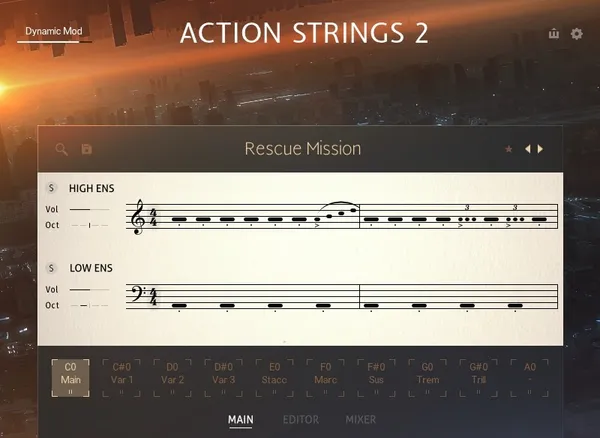
Need strings that can keep up? We review the best libraries for driving action cues, featuring NI Action Strings 2, aggressive spiccatos, and run engines.
For one complete orchestra, Hollywood Orchestra Opus Edition Diamond is the direct choice: one orchestra recorded in one hall, with every microphone position. Built section by section, Cinematic Studio Strings is the default professional choice for emotional strings, CineBrass Core the most recognisably cinematic brass and Voxos Epic Choirs the most complete choir. BBC Symphony Orchestra Discover is the best free complete orchestra.
BBC Symphony Orchestra Discover, which takes Best Overall in our free orchestral roundup because it is a complete orchestra from the same sessions as the paid editions. LABS offers the widest range of colour for nothing, and Layers gives you a Teldex ensemble sound with no way to separate the sections.
Strings, unless you already own a capable all-in-one. Strings carry more of a typical orchestral cue than any other section, they are the hardest department to fake with a general library, and they are the section a listener identifies as fake first. Brass and woodwinds can wait, but a thin string patch cannot be worked around.
Section size, and it changes what the library is good for rather than how good it is. A chamber section of a few players per part gives you detail, agility and intimacy, so individual bow strokes stay audible. A full section of a dozen or more per part gives you weight and blend at the cost of that detail. Fast writing and exposed passages want chamber, and scale wants full.
Wet libraries are recorded in a hall with natural reverb (baked-in room tone). Dry libraries are recorded in a silent stage, giving you more control over spatial placement but requiring more work with reverb plugins to sound realistic.
Yes, and almost every professional template does, but match the room before the brand. Two libraries recorded in the same hall will blend even if nothing else about them agrees, while two dry libraries can be placed in a shared space with convolution reverb. The combination that fails is a wet library from one hall sitting next to a wet library from another.
Yes. Orchestral libraries stream thousands of samples in real-time. A standard Hard Disk Drive (HDD) cannot keep up, leading to audio dropouts and clicking. An NVMe or SATA SSD is mandatory.
At minimum, a 'Mix' mic is sufficient. However, separate Close, Decca Tree (Main), and Ambient/Surround mics give you professional control over the depth and perspective of the instrument in your mix.
For a basic orchestral sketch, 16GB is the minimum. However, for a professional template with multiple mic positions and articulations loaded, 32GB is recommended, and 64GB+ is ideal for full Hollywood-style templates.