
Last Updated: August 2026
Best World Instrument VSTs (2026)
Travel the world without leaving the studio.
Authentic world instruments add a depth and emotion that standard orchestras can’t touch. We tested the Best World Instruments to find the ones that capture the true spirit of the tradition without feeling like a caricature.
The Criteria
We value authenticity and detail:
- Legato: Does the instrument slide and bend notes naturally?
- Ornamentation: Can you trigger authentic trills and grace notes?
- Room: Does the recording capture the air and wood of the instrument?m via MIDI.
Our curated lists below cover the essentials.
Start here
New to World? These are the roundups worth reading first.
- Best Asian Instruments (2026): East & West Silk Road sounds. We review the best Koto, Erhu, and Taiko libraries (Jade, Silk) for bringing authentic Eastern flavors to your tracks.
- Best Celtic Instruments (2026): Epic Fantasy Uilleann pipes, tin whistle, fiddle and bodhrán as VSTs: 7 Celtic instrument libraries scored on ornaments, legato and coverage, from Celtic Era 2 to ERA II.
- Best World Vocals (2026): Ethnic & Hybrid Add global flavor. We review the best vocal libraries from the Middle East, Asia, and Africa for adding unique textures to your score.
World deals
02 / LIVECurrent discounts on products we have reviewed. Prices are the store's own, last checked 27 October 2026.

World
•
By Tobias Reed
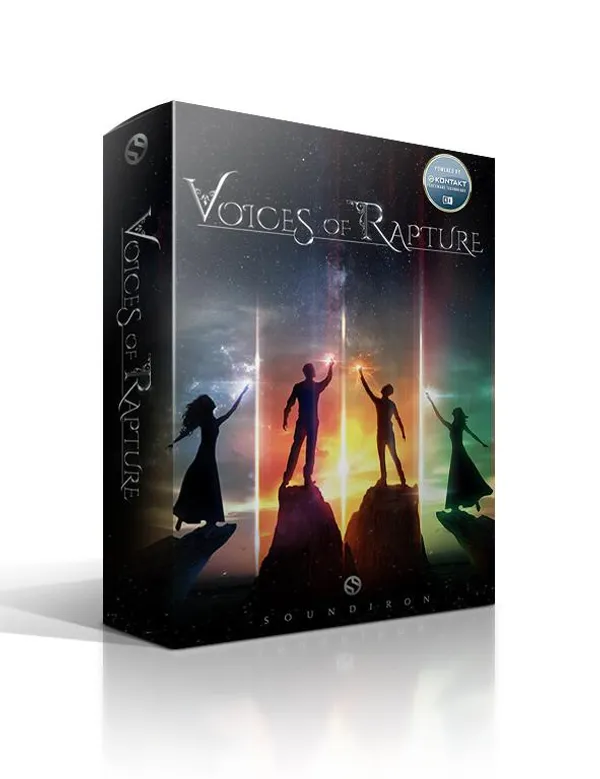
Best World Vocals (2026): Ethnic & Hybrid
Add global flavor. We review the best vocal libraries from the Middle East, Asia, and Africa for adding unique textures to your score.
Read Review →
World
•
By Tobias Reed
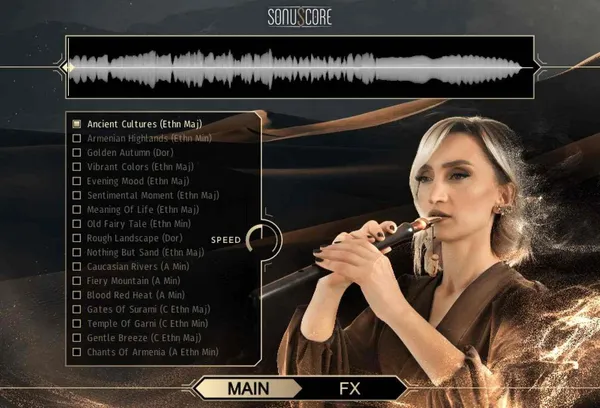
Best Duduk VSTs (2026): Emotional Winds
The saddest sound in the world. We review the best Duduk libraries (Sonuscore, Soundiron) for Gladiator-style emotional scores.
Read Review →
World
•
By Tobias Reed
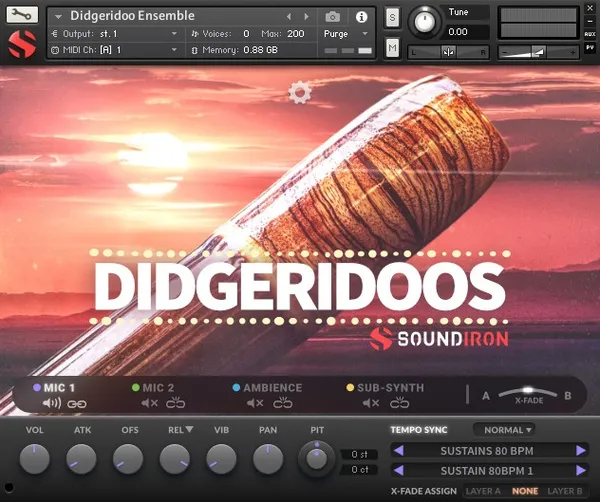
Best Didgeridoo VSTs (2026): Drones & Rhythms
Ancient drones. We review the best Didgeridoo libraries for creating earthy, rhythmic drones and Australian outback atmospheres.
Read Review →
World
•
By Tobias Reed
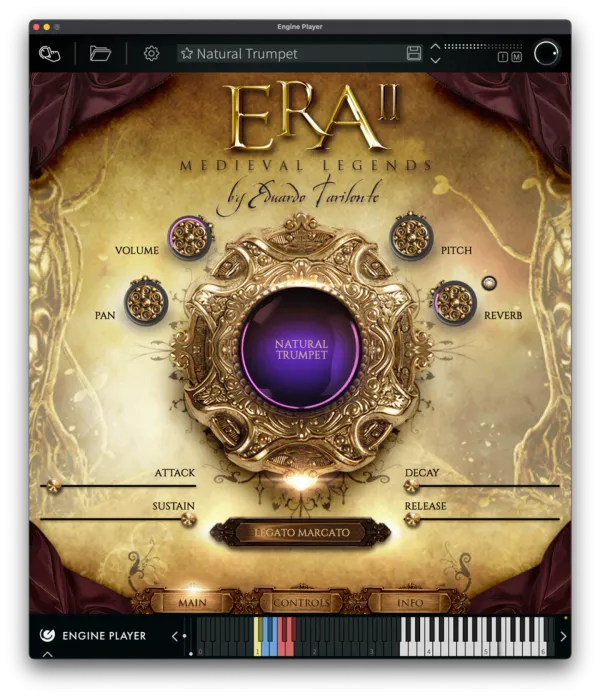
Best Celtic Instruments (2026): Epic Fantasy
Uilleann pipes, tin whistle, fiddle and bodhrán as VSTs: 7 Celtic instrument libraries scored on ornaments, legato and coverage, from Celtic Era 2 to ERA II.
Read Review →
World
•
By Tobias Reed
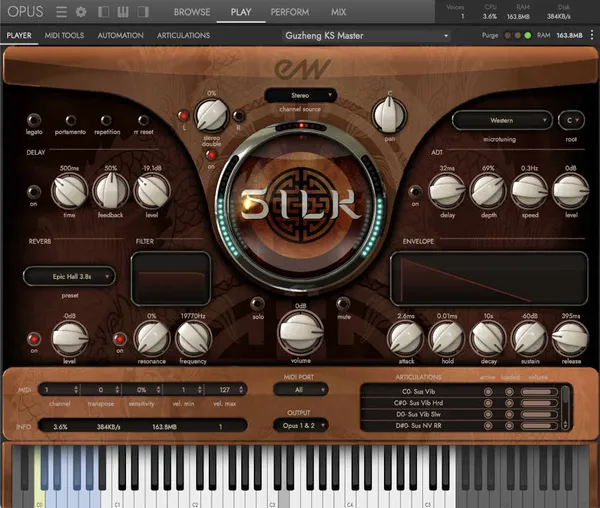
Best Asian Instruments (2026): East & West
Silk Road sounds. We review the best Koto, Erhu, and Taiko libraries (Jade, Silk) for bringing authentic Eastern flavors to your tracks.
Read Review →
Frequently Asked Questions
Respecting traditions?
Understanding the cultural context of an instrument improves your writing. Knowing that a Duduk is traditionally mournful helps you use it effectively in a score.
Microtonal tuning?
Many non-Western traditions use scales outside the 12-tone equal temperament. Good libraries allow for micro-tuning to capture the authentic intervals of the Maqam or Raga.
Phrases vs. Multi-samples?
Phrases capture authentic performances that are hard to program (like vocal runs). Multi-samples allow you to play your own melodies but require skill to sound authentic.
Mixing world instruments?
These instruments often have complex harmonic content. Be careful with EQ; over-processing can strip away the 'grain' and character that makes them unique.
Best reverb match?
Organic, earthy spaces work best. A wooden room or a small hall impulse response complements the natural resonance of hand-played instruments.
What is a 'Drone'?
A continuous low note that grounds the harmony. Instruments like the Tanpura or Hurdy Gurdy provide a constant tonal center for the melody to float over.