
Last Updated: October 2026
Best Cinematic VSTs and Libraries (2026)
The best cinematic VSTs for most composers are Heavyocity’s Gravity 2 for hybrid tension, risers and drones, Damage 2 for aggressive trailer percussion, Pigments 7 for cinematic sound design and Omnisphere 2 for the deepest palette of sounds. For vocal textures, Output’s EXHALE is the library that made vocal chops playable. Each call comes from the verdicts in the roundups below, and each links to the full comparison.
The Best Cinematic VSTs by Job
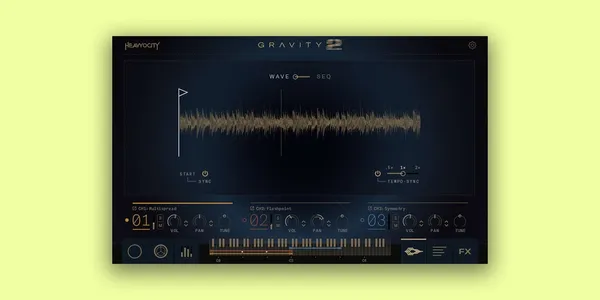
- Best hybrid tension toolkit: Gravity 2 (Heavyocity). The tension toolkit most trailer work is built on, per our trailer music roundup, and the most finished-sounding drones in the drone generator roundup.
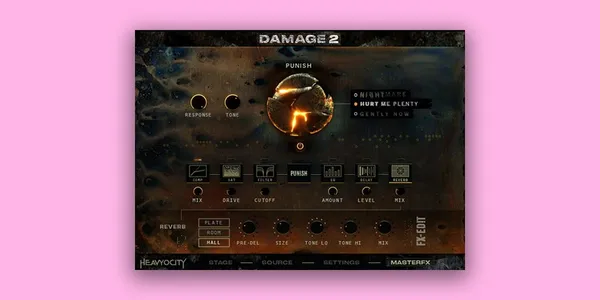
- Best trailer percussion: Damage 2 (Heavyocity). Still the industry standard for aggressive trailer percussion, and the sound of the last decade of trailers in the found sound roundup.
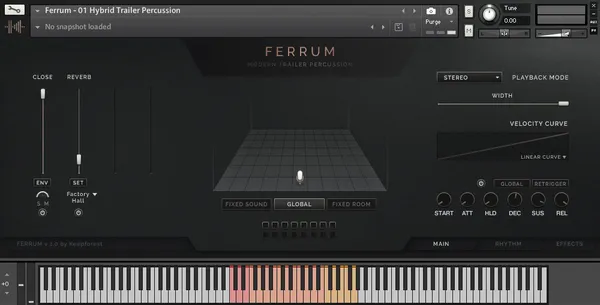
- Loudest single hits: Ferrum - Modern Trailer Percussion (Keepforest). The loudest way to put a hit in a trailer mix, per the cinematic percussion roundup. Deep Percussion Beds is the pick for percussion that sits under dialogue instead.
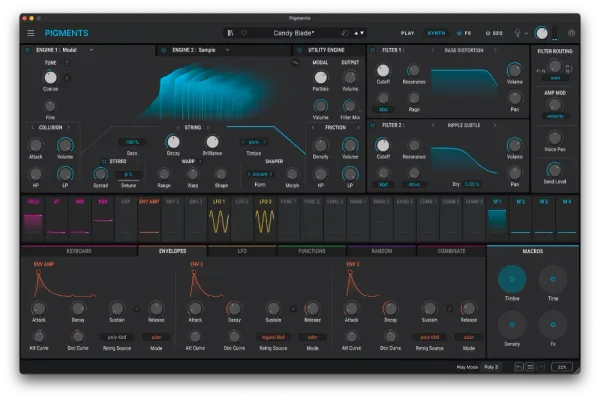
- Best cinematic synth for sound design: Pigments 7 (Arturia). The most legible modulation system in software in the cinematic synths roundup, and Best Overall among Omnisphere alternatives.
- Deepest palette: Omnisphere 2 (Spectrasonics). Still the deepest library of sounds available, with disk space and browsing time as the honest price.
- Best tension pulses: Signal (Output). Pulse-driven tension beds with almost no work, and close to useless for carrying a melody.
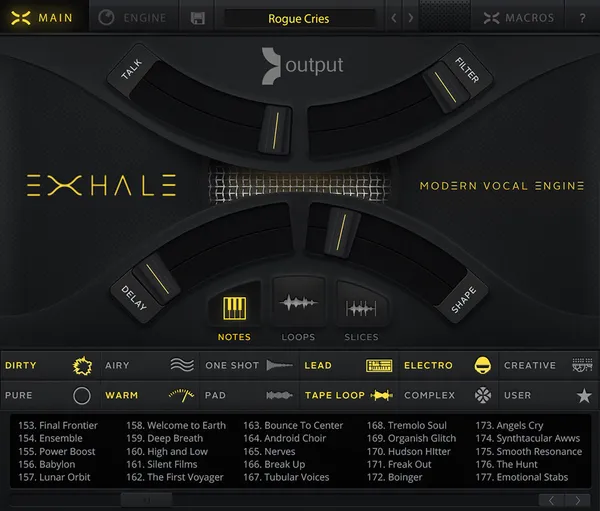
- Best vocal textures: EXHALE (Output). The library that made vocal chops playable, per the cinematic vocal roundup, and the one your cue will share with every trailer this year.
- Best on a small budget: Olympus Micro Choir (Soundiron). The most convincing thirty-nine dollars in the cinematic VSTs under $50 roundup.
What Counts as a Cinematic Library
The label gets stretched to cover almost anything sold to composers, so it is worth drawing the line. An orchestral library samples instruments that exist. A cinematic library samples the sound of film music, which is a different target: processed hybrids, braams, risers, sub booms, distorted textures and stings that correspond to no instrument anyone has ever played.
Both matter. An orchestral library gives you the notes, and a cinematic library gives you the impact between them. If you have been buying string libraries and your cues still sound small, the missing department is almost certainly this one.
The Four Departments
Nearly everything on this page falls into one of four groups, and knowing which one you are short of saves a great deal of money:
- Hybrids and all-in-ones: the fastest way from a blank session to something that sounds like a film. Broad rather than deep.
- Percussion: the department that carries pace and scale, and the one general libraries skimp on most.
- Synths and textures: the modern scoring palette, from evolving pads to the low-end weight underneath everything.
- Vocals and specialist colour: what makes a cue sound like this film rather than any film.
What to Buy First
Start with a hybrid all-in-one, then percussion, then fill the gaps you actually hit. The all-in-one is not the library you will still be using in five years, but it covers the widest range of briefs on day one and it tells you which department you keep reaching for. That is more useful than any review, including ours.
Resist the instinct to buy the specialist library first. A world-class duduk is worth owning, but not before you can score the scene it appears in.
The Criteria
The roundups below judge libraries on:
- Dynamic Range: From delicate pianissimo to wall-shaking fortissimo without artifacts.
- Speed: Because the best sound is useless if it kills your flow.
- Mix Reality: Tools that sit in the mix without surgical EQ.
Picks tested in our studio are labelled that way on their product cards, and a pick without that label was not tested by us.
Start here
New to Cinematic? These are the roundups worth reading first.
- Best Cinematic Synths (2026): Hybrid Scoring & Sound Design Bridge the gap between orchestra and electronic. We review the best 'Zimmer-style' synths (Zebra HZ, Omnisphere) for modern scoring.
- 7 Best Cinematic Percussion VSTs for Huge Impact A composer's brutally honest breakdown of the 7 best cinematic percussion VSTs. Heavy hits, dirty textures, and libraries that actually cut through dense mixes.
- The Best VST Libraries for Trailer Music (2026) We tested the industry standards to find the absolute best VST libraries for modern trailer music in 2026. Top picks for percussion, braams, and sound design.
Cinematic deals
03 / LIVECurrent discounts on products we have reviewed. Prices are the store's own, last checked 27 October 2026.


W. A. Production Transient Shaping
Imprint
Cinematic
•
By The ModWheel Team
Best Zebra HZ Alternatives
Zebra HZ is a preset library wrapped around a modular synth. Which of those two you use decides the alternative, and one of them costs a great deal less.
Read Review →
Cinematic
•
By The ModWheel Team
Best Omnisphere Alternatives
Omnisphere is three products in one trench coat. Work out which one you actually use and the alternative costs a fraction of it, on a fraction of the disk.
Read Review →
Cinematic
•
By The ModWheel Team
Best Albion One Alternatives
Albion One is an orchestra in a box, which is the wrong purchase if you own an orchestra. Here is how to buy the parts of it you are actually missing.
Read Review →
Cinematic
•
By Tobias Reed
7 Best Cinematic Percussion VSTs for Huge Impact
A composer's brutally honest breakdown of the 7 best cinematic percussion VSTs. Heavy hits, dirty textures, and libraries that actually cut through dense mixes.
Read Review →
Cinematic
•
By Louis Raveton
Best Drone Generators (2026): Dark Ambient
Instant darkness. We review specialized tools for generating infinite, evolving drones (perfect for horror beds).
Read Review →
Cinematic
•
By Louis Raveton
Best VSTs for Cyberpunk & Dystopian Sci-Fi
Looking for that dirty, analog 'Blade Runner' sound? We review the best VSTs for cyberpunk scoring in 2026, from granular engines to aggressive bass monsters.
Read Review →
Cinematic
•
By Louis Raveton
The Best Cinematic Vocal Libraries (That Aren't Classical Choirs)
Epic choirs are great, but sometimes you need intimacy. We review the best vocal libraries for modern scoring, from vocal chops to ethereal soloists.
Read Review →
Cinematic
•
By Louis Raveton
The Best VST Libraries for Trailer Music (2026)
We tested the industry standards to find the absolute best VST libraries for modern trailer music in 2026. Top picks for percussion, braams, and sound design.
Read Review →
Cinematic
•
By Louis Raveton
Best 'Found Sound' Percussion: Clocks, Glass & Industrial
Add organic texture to your tracks. We review the best libraries created from raw recordings of ticking clocks, broken glass, and scrap metal.
Read Review →
Cinematic
•
By Louis Raveton
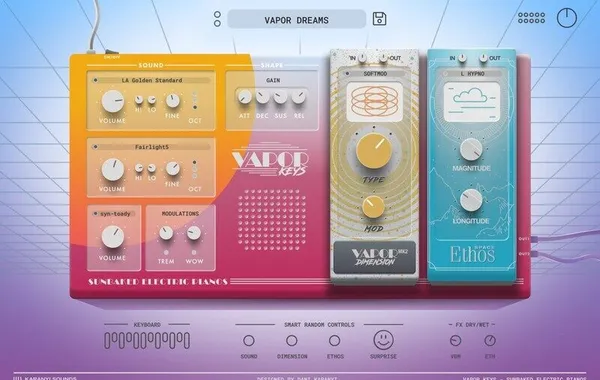
Best Cinematic Synths (2026): Hybrid Scoring & Sound Design
Bridge the gap between orchestra and electronic. We review the best 'Zimmer-style' synths (Zebra HZ, Omnisphere) for modern scoring.
Read Review →
Cinematic
•
By Louis Raveton
Best Cinematic VSTs Under $50 (2026): Hidden Gems
Balling on a budget. We find the best cheap cinematic libraries that punch way above their weight class for budget-minded composers.
Read Review →
Cinematic
•
By Louis Raveton
Best Cinematic Clock VSTs (2026): Ticking & Time
Time is running out. We review the best percussion libraries focusing on ticking clocks, watches, and time-based tension (Hans Zimmer style).
Read Review →
Cinematic head-to-heads
Frequently Asked Questions
What is the difference between a cinematic library and an orchestral one?
An orchestral library samples instruments that exist: violins, horns, timpani, recorded as faithfully as possible. A cinematic library samples the sound of film music, which is a different target. It includes processed hybrids, braams, risers, sub booms and textures that correspond to no real instrument. Most scoring templates need both, because an orchestral library gives you the notes and a cinematic library gives you the impact between them.
What should I buy first if I am starting from nothing?
A hybrid all-in-one library, then percussion, then everything else. The all-in-one covers the widest range of cues on day one and tells you which department you actually reach for, which is far more useful information than any review. Percussion comes second because it is the department a general library skimps on most and the one an audience notices first.
What is the best cinematic percussion library?
Damage 2 is still the industry standard for aggressive trailer percussion. Ferrum is the loudest way to put a single hit in a trailer mix, and Deep Percussion Beds is built to sit under dialogue rather than on top of a trailer. Our cinematic percussion and trailer roundups compare them in full.
Do I need Kontakt for these libraries?
Most professional cinematic libraries require the full version of Native Instruments Kontakt, though many are compatible with the free Kontakt Player. Always check the system requirements before buying.
What are 'hybrid' instruments?
Hybrid instruments combine organic sample sources (like strings or pianos) with electronic synthesis and sound design. They are essential for modern scoring where texture is just as important as melody.
How do I make my tracks sound 'huge'?
Size comes from contrast and frequency management. Don't just layer everything. Give each frequency range its own space. Use wide stereo placement for high-frequency elements and keep low-end elements (like subs and braams) mono and centered.
What is a 'Braam'?
A 'Braam' is a massive, brassy, distorted low-end impact sound popularized by the Inception soundtrack. It is a staple of trailer music used to accent major transition points.
Can I get a usable cinematic setup for under $500?
Yes, and most working composers started that way. One hybrid all-in-one library, one percussion library and a capable synth will cover a surprising share of briefs. The gap between that and a $5,000 template is narrower than the marketing suggests, and it is mostly a gap in specificity rather than quality.
Are these libraries royalty-free?
Yes, almost all commercial sample libraries are royalty-free. Once you buy them, you can use them in your commercial tracks for films, games, and trailers without paying extra fees. However, you cannot resell the individual samples.