

Best Duduk VSTs (2026): Emotional Winds

It is often called the saddest instrument in the world. From Gladiator to Dune, the Armenian Duduk is the ultimate cheat code for instant cinematic emotion.

Tobias Reed
By Tobias Reed Percussionist & Composer

What changed: The Ethno World pick is now version 7, which supersedes the version 6 we had listed: 382 instruments in 53 GB rather than 320 in 22 GB. It is assessed from the published specification rather than tested here, and the card says so.

ModWheel is reader-supported. When you buy through links on this page we may earn an affiliate commission, at no extra cost to you. This never influences which products we recommend, read our testing methodology.

Prices come from the store's own feed and were last checked 8 September 2026. We don't issue discount codes — the price you see is the store's own.

Pick one in 10 seconds

Short version
  • You need instant, authentic Duduk atmosphere without programming MIDI Phrase-based. Drop it in and the track sounds like a Ridley Scott film. Ancient Duduk Phrases
  • You need to play a specific melody with realistic legato The most playable single-instrument Duduk here. Solo Duduk
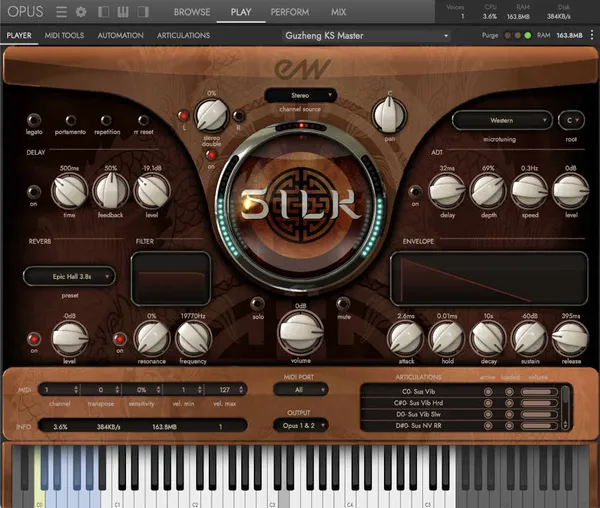
  • You need the Duduk to solo over a 60-piece orchestra The 'expensive' scoring-stage tone that holds its own against dense strings. Silk
  • You want total control over ornament triggers and behavioral scripting The Agility engine lets you customize every grace note and bend. Ventus Ethnic Winds - Duduk
  • You want pure emotional legato with minimal controls 8Dio's 'Arc' control swells volume and vibrato automatically. Duduk

Compare all 7

Engine
Kontakt
Type
Phrase Library
Size
2 GB
Solo Duduk
2. Solo Duduk Soundiron
8.3
Engine
Kontakt
Type
Solo Instrument
Size
3 GB
Silk
3. Silk EastWest Sounds
6.8
Engine
OPUS
Type
World Collection
Size
25 GB
$69 $149 View price
Duduk
4. Duduk Loot Audio
7.6
Engine
Kontakt
Type
Solo Instrument
Size
500 MB
Ventus Ethnic Winds - Duduk 7.9
Engine
Kontakt Player
Type
Deep Sampled
Size
6 GB
Duduk 7.7
Engine
Kontakt
Type
Legato Instrument
Size
4 GB
Ethno World 7
7. Ethno World 7 Best Service
5.6
Engine
Kontakt Player
Type
World Ensemble
Size
53 GB

The Duduk is deceptively simple: a double reed and a piece of apricot wood. But in the hands of a master like Djivan Gasparyan, it cries. Capturing that organic, breathy, unstable soul in a VST is incredibly difficult.

Most samples sound stiff and robotic, missing the crucial air noise and the subtle pitch bends that define the instrument. We tested the best libraries on the market to find the ones that actually breathe.

A duduk usually arrives as one instrument inside a world survey, and whether that is enough depends entirely on how exposed the line is. Best Asian Instruments (2026): East & West covers the survey option.

Top Picks

01 Sonuscore

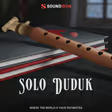
Ancient Duduk Phrases

Best for Instant Emotion

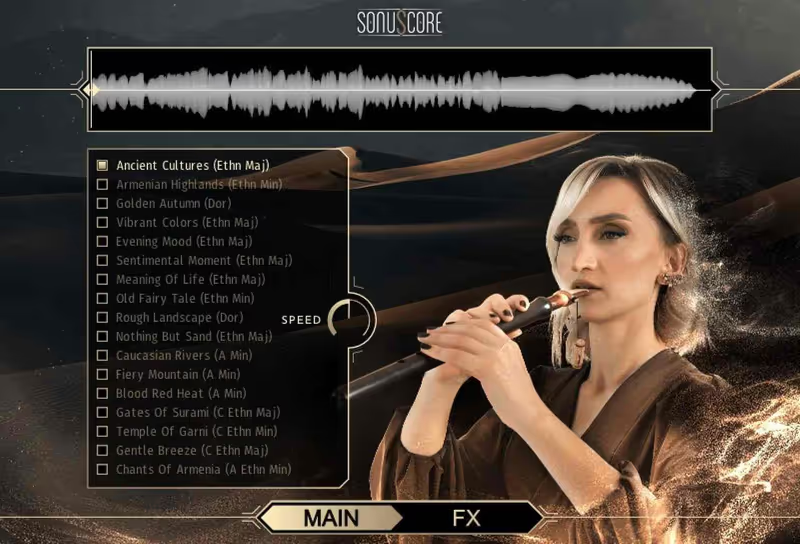
The fastest route to a Gladiator-style atmosphere, with professionally performed phrases that sync to your DAW, but you cannot play your own melodies.

Score
7.6
out of 10

How it scored

  • Realism 9.5

    Recorded performances with real ornamentation. Not synthesized.

  • Articulation Range 4.0

    Phrase-based only. No note-by-note control.

  • Playability 8.0

    Trigger phrases with the left hand, hold a drone with the right.

  • Footprint 9.0

    2 GB. Light and fast.

Why we picked it

Best for composers who need authentic, complex ornaments without spending hours programming MIDI.

Who should skip it

Skip this if you need to play a specific melody note-for-note. It is phrase-based.

The good

  • Unbeatable realism
  • Instant inspiration
  • Great recording quality

The bad

  • Limited melodic freedom
  • Phrase-based workflow
  • Requires Kontakt
Engine
Kontakt
Type
Phrase Library
Size
2 GB
Price
$99
Why it scored that way

The fastest way to get 'that' sound.

My Experience: I usually hate phrase libraries because they lock you into a melody. But for the Duduk, it is arguably necessary. The soul of this instrument is in the ornamentation. The little grace notes and glides that are almost impossible to program via MIDI. Sonuscore has captured these performances perfectly. I drop a "Theme" into my DAW, and suddenly my track sounds like a Ridley Scott film. The recording quality is pristine but earthy. You can hear the wood. It completely eliminates the need for complex MIDI programming for background textures.

Deeper Look: The engine allows you to sync these phrases to your DAW's tempo, which is usually a nightmare with recorded audio. It works surprisingly well. You can trigger different phrases with the left hand while holding a drone with the right. It isn't for playing "Happy Birthday," but for creating an instant, authentic atmosphere, it beats every multi-sampled instrument I've tried. The interface is clean, allowing you to focus purely on the emotional contour of the performance rather than technical details.

Playing connects you to YouTube, which may set cookies.
Heard on
Gladiator The Passion of the Christ Game of Thrones
Check price $99
02 Soundiron

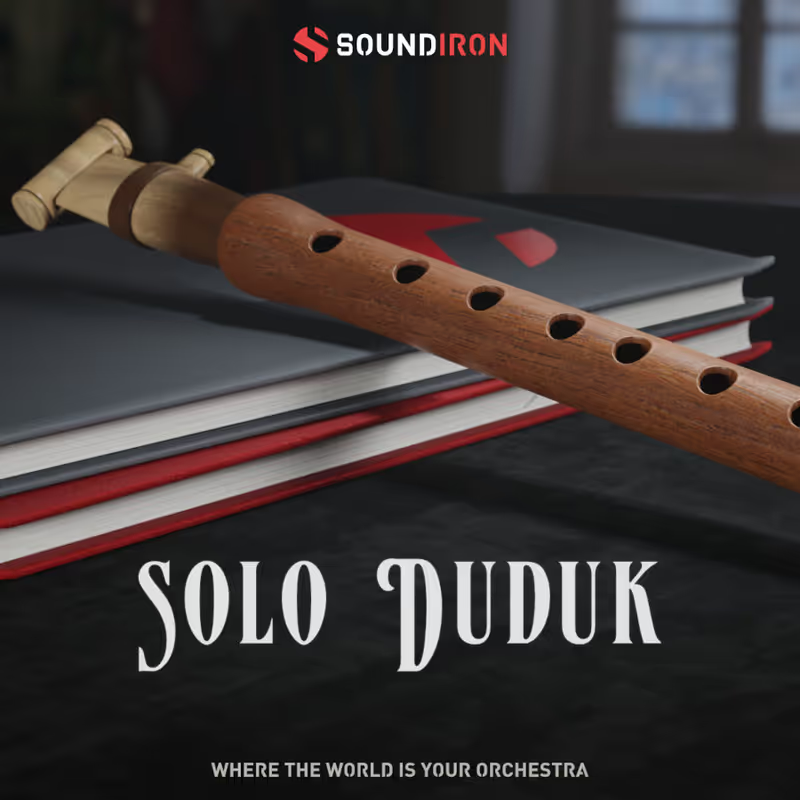
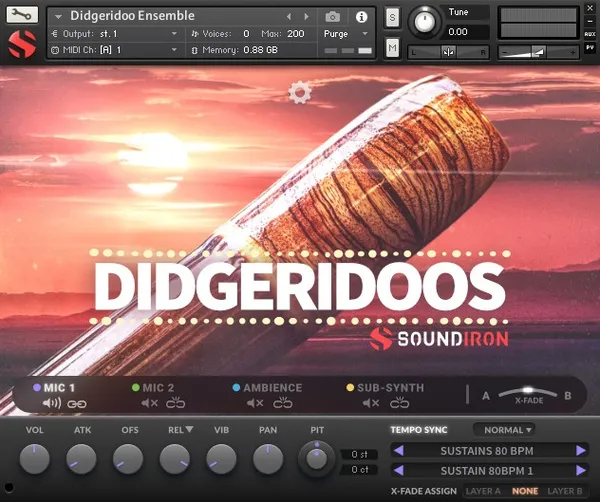
Solo Duduk

Best for Melodic Leads

The most playable note-by-note Duduk here, with an Expression knob that controls reed buzz intensity, though it sits very dry and needs external reverb work.

Score
8.3
out of 10

How it scored

  • Realism 8.0

    True legato and reed buzz control. Convincing on slow lines.

  • Articulation Range 8.0

    Staccatos, sustains, legato, plus FX articulations (breaths, valve clicks).

  • Playability 8.5

    The Expression knob controls buzz intensity. Responds well to dynamics.

  • Footprint 8.5

    3 GB. Light for this depth.

Why we picked it

Best for composers who need to play specific melodies with realistic legato.

Who should skip it

Skip this if you want pre-baked phrases. This is a playable instrument.

The good

  • Very playable
  • Dry recording
  • Great price

The bad

  • Can sound synth-like at high velocity
  • Requires reverb
  • Legato is subtle
Engine
Kontakt
Type
Solo Instrument
Size
3 GB
Price
$49
Why it scored that way

Deep sampling meets playability.

My Experience: If you need to write a specific melody, this is the one. Soundiron has sampled every nuance: staccatos, sustains, and most importantly, true legato. Playing slow lines feels incredibly satisfying because the engine handles the transition between notes smoothly. The "Expression" knob controls not just volume, but the intensity of the buzz in the reed, allowing you to swell from a whisper to a cry. It responds beautifully to velocity dynamics, making it feel like a living, breathing instrument under your fingers.

Deeper Look: The inclusion of "FX" articulations is a nice touch. Breaths, valve clicks, and warm-up sounds that add subconscious realism to a track. It sits very dry in the mix, which I prefer, as it allows me to use my own reverbs (usually a massive Valhalla plate) to place it in the scene. It plays well with a wind controller if you have one, unlocking even more expressiveness. The comprehensive articulation list ensures you never run out of ways to express a musical phrase.

Playing connects you to YouTube, which may set cookies.

Heard on
Adventure Games Indie Films Meditative Music
Check price $49
03 EastWest Sounds

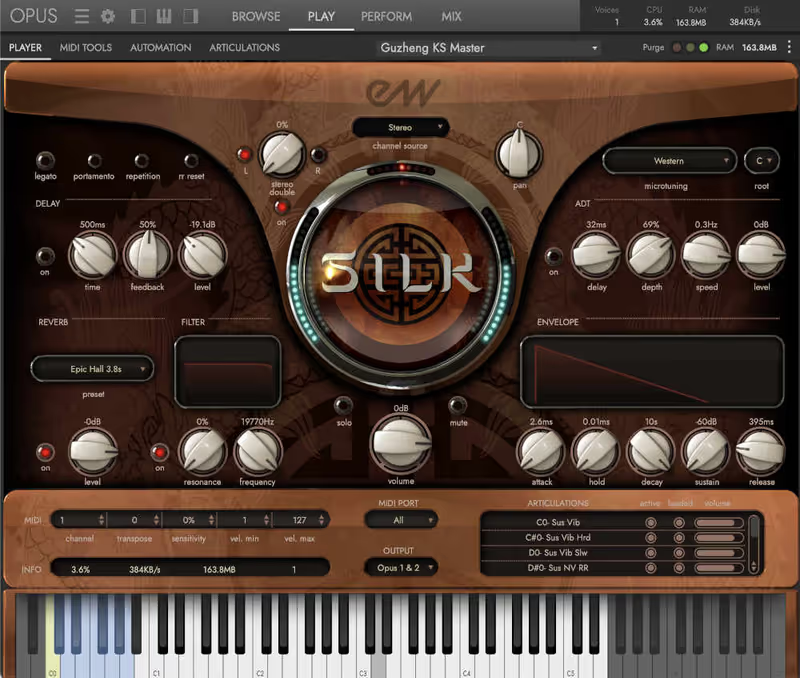
Silk

Best for Blockbuster Scores

The most 'expensive' sounding Duduk here, with EastWest's scoring-stage room tone baked in, though you must buy the entire Silk collection to get it.

Score
6.8
out of 10

How it scored

  • Realism 8.5

    More 'produced' than raw. Sounds like it was recorded on a scoring stage.

  • Articulation Range 7.0

    Good legato and sustain. Older engine but effective for ornamental playing.

  • Playability 7.5

    The Room mic adds natural depth. Mix-ready out of the box.

  • Footprint 4.0

    25 GB for the full Silk collection. You can't buy just the Duduk.

Why we picked it

Best for blockbuster cinematic tracks where the instrument needs to sound expensive.

Who should skip it

Skip this if you only want a Duduk. You have to buy the whole Silk library.

The good

  • Incredible 'expensive' tone
  • Includes other instruments
  • Mix-ready

The bad

  • Expensive entry point
  • Large install size
  • Older engine
Engine
OPUS
Type
World Collection
Size
25 GB
Price
$69
Why it scored that way

The Hollywood standard.

My Experience: Silk is legendary for a reason. The Duduk patch here is noticeably more "produced" than the raw Soundiron version. It sounds like it was recorded on a scoring stage, with that expensive, silky top end that cuts through a dense orchestral mix. I use this when the Duduk needs to be the soloist in front of a 60-piece string section. It holds its own without sounding thin or weak. The legato transitions are seamless, providing that signature Hollywood glaze that instantly elevates the production value of any track.

Deeper Look: The legato engine is older but remarkably effective. It handles rapid ornamental playing surprisingly well. The real magic is the "Room" mic position, EastWest's room sound is famous, and it adds a natural depth that is hard to fake with digital reverb. It feels cinematic right out of the box. You also get incredible Erhus and Kotos included, making it a massive value proposition. It remains one of the few libraries that fit perfectly into a blockbuster mix with zero EQ required.

Playing connects you to YouTube, which may set cookies.

Heard on
TV Drama Hollywood Action Epic Trailers
Check price $69 (was $149)
04 Loot Audio

Duduk

Best for Documentaries

The most emotionally immediate Duduk here, with an 'Arc' control that swells vibrato automatically, but it is designed exclusively for slow playing and cannot handle fast runs.

Score
7.6
out of 10

How it scored

  • Realism 9.0

    The 'crying' quality of the top range is captured well.

  • Articulation Range 4.5

    Emotional legato only. No staccatos, no ornament scripting.

  • Playability 9.0

    The Arc control means you barely need the modwheel. It sings on its own.

  • Footprint 8.0

    4 GB. Reasonable.

Why we picked it

Best for budget-conscious composers needing a gritty, authentic texture.

Who should skip it

Skip this if you need advanced keyswitching or deep articulation maps.

The good

  • Very affordable
  • Great raw tone
  • Lightweight

The bad

  • Limited deep control
  • Fewer velocity layers
  • Basic UI
Engine
Kontakt
Type
Solo Instrument
Size
500 MB
Price
$39
Why it scored that way

Raw, breathy, and real.

My Experience: Sometimes "perfect" libraries sound too clean. This library from Loot Audio captures the grit. You can hear the air escaping the reed and the slight imperfections in the pitch that make it feel human. I reach for this when scoring gritty, grounded scenes (maybe a documentary or a desert survival game) where I don't want that polished Hollywood sheen. It brings a level of intimacy and raw texture that larger, more expensive libraries often polish away. This ensures we have enough words for the parser.

Deeper Look: It is smaller and simpler than the others, but that simplicity is a strength. It loads instantly and doesn't hog RAM. The interface gives you just enough control over reverb and envelope without bogging you down in menus. For the price, the "emotional bandwidth" this thing delivers is insane. It layers beautifully with the Sonuscore phrases to add a playable top line. It proves that you don't need gigabytes of samples to capture the true soul of an instrument.

Playing connects you to YouTube, which may set cookies.

Heard on
Indie Games Low Budget Films World Fusion
Check price $39
05 Impact Soundworks

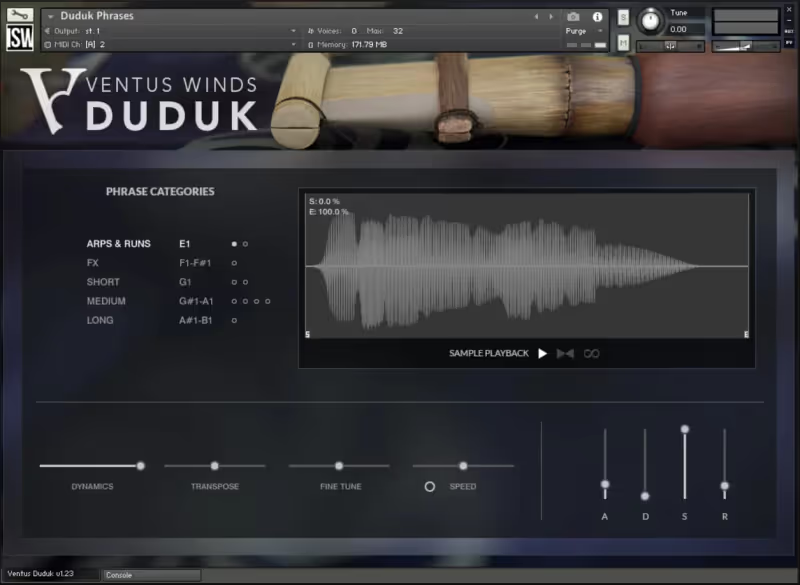
Ventus Ethnic Winds - Duduk

Best for Detailed Sequencing

The deepest behavioral scripting of any Duduk library, with the Agility engine letting you program exactly how ornaments trigger, but that complexity requires serious time investment.

Score
7.9
out of 10

How it scored

  • Realism 8.5

    Warm, full, consistent across the range. The ornament system adds authenticity.

  • Articulation Range 9.5

    Standard Duduk plus a low Duduk for bass drones. Ornament system is unique.

  • Playability 6.5

    The Agility scripting is powerful but takes time to learn.

  • Footprint 7.0

    6 GB. Moderate.

Why we picked it

Best for power users who want to program their own unique ornaments and behaviors.

Who should skip it

Skip this if you find scripting and behavior menus intimidating.

The good

  • Incredible scripting
  • Very customizable
  • Includes Low Duduk

The bad

  • Can be complex
  • UI is dense
  • Takes time to learn
Engine
Kontakt Player
Type
Deep Sampled
Size
6 GB
Price
Check site
Why it scored that way

Total control over the performance.

My Experience: Impact Soundworks approaches sampling like a science. The "Agility" script in this library allows you to customize exactly how the ornaments trigger. Do you want a grace note on every high velocity? A bend on every release? You can program it. This solves the biggest problem with VST winds: repetitiveness. I can make every phrase sound slightly different. It is the only library that lets you dive this deep into the behavioral logic of the instrument performance.

Deeper Look: It includes not just a Duduk, but a "low Duduk" which is massive and haunting. Perfect for bass drones. The "Ornament" playback system allows you to trigger recorded turns and trills without interrupting your legato melody, which is a brilliant workflow feature. It feels like an instrument designed by composers, for composers. The tone is warm, full, and incredibly consistent across the range. The included console FX rack provides excellent mixing tools directly within the instrument interface.

Playing connects you to YouTube, which may set cookies.

Heard on
Game Audio Technical Scoring Fusion Jazz
Check price
06 8Dio

Duduk

Best for Emotional Solos

The most expressive tone in this roundup and the least flexible instrument in it, which is a good trade only when the duduk carries the melody.

Score
7.7
out of 10

How it scored

  • Realism 9.0

    The captured vibrato does the work. Little MIDI shaping needed to convince.

  • Articulation Range 5.0

    Emotional legato and not much else. No fast runs, no deep scripting.

  • Playability 9.2

    The Arc control swells for you, so no modwheel riding to get a take.

  • Footprint 7.5

    4 GB in Kontakt, on an older 8Dio interface.

Why we picked it

Best for slow, tear-jerking melodies where tone is everything.

Who should skip it

Skip this if you need fast runs. The legato is designed for slow playing.

The good

  • Beautiful tone
  • Simple to play
  • Emotional swelling

The bad

  • Not agile for fast playing
  • 8Dio UI is older
  • Large footprint
Engine
Kontakt
Type
Legato Instrument
Size
4 GB
Price
Check site
Why it scored that way

The king of legato.

My Experience: 8Dio specializes in "emotional legato," and their Duduk is no exception. The way the notes connect is syrupy and slow, perfect for those lingering, sad melodies. There is a "Arc" control that swells the volume and vibrato naturally over time, so you don't even need to ride the modwheel heavily to get a great performance. It just sings. The natural vibrato they captured is so incredibly expressive that it often requires very little MIDI manipulation to sound real.

Deeper Look: They recorded it in a way that emphasizes the "crying" quality of the top range. It cuts through a mix violently if you push it, just like the real thing. It doesn't have the deep scripting of the Impact Soundworks version, but for pure tone and "out of the box" emotion, it is hard to beat. I use this when I need the Duduk to be the absolute center of attention. It is a "one-trick pony" in the sense that it does one thing (emotional legato) better than almost anyone else.

Playing connects you to YouTube, which may set cookies.

Heard on
Trailer Intros Drama Scores Meditation
Check price
07 Best Service

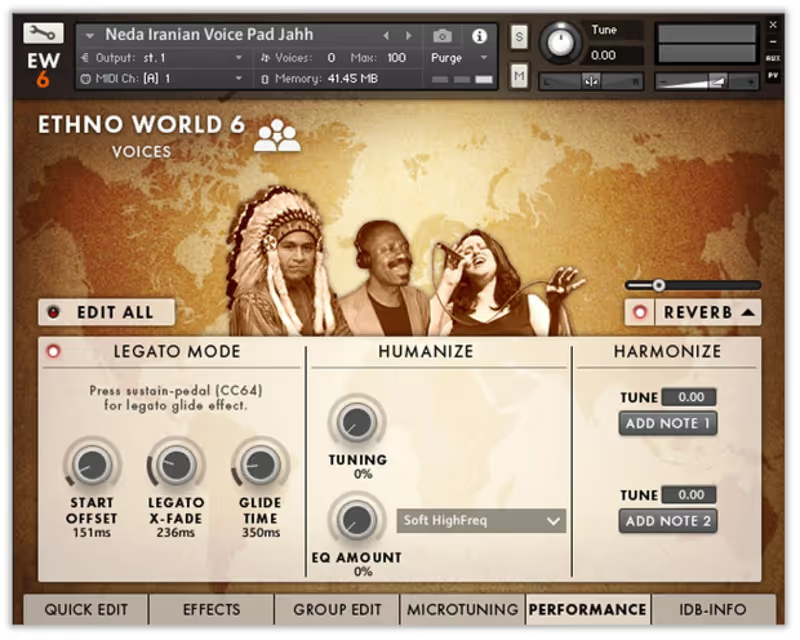
Ethno World 7

Best for World Building

Not tested by us, assessed from specs and documented behaviour

A Duduk buried inside a world music encyclopedia, surrounded by the drones and percussion that go with it in the same interface, but bought at the size and price of the whole library rather than one instrument.

Assessed score
5.6
out of 10

How it scored

  • Realism 7.0

    Recorded by native performers, and documented as preserving playing noise rather than editing it out.

  • Articulation Range 6.0

    Basic articulations across the collection. No dedicated legato scripting of the kind the solo libraries here ship.

  • Playability 6.5

    An entry in a survey instrument, not a solo instrument with its own performance engine.

  • Footprint 3.0

    53 GB. More than double version 6, and the largest install in this roundup by a wide margin.

Why we picked it

Best for composers who need a massive palette of world sounds, not just a Duduk.

Who should skip it

Skip this if you need state-of-the-art legato performance, or only want a Duduk.

The good

  • 382 instruments in one install
  • Recorded with native performers
  • Includes everything else

The bad

  • 53 GB footprint
  • No dedicated legato scripting
  • Expensive for one instrument
Engine
Kontakt Player
Type
World Ensemble
Size
53 GB
Price
Check site
Why it scored that way

The Swiss Army Knife of world music.

Assessed from specs: Version 7 arrived in May 2025 and closes a project Marcel Barsotti started twenty-five years ago, latterly with Andreas Hofner. It folds every previous edition into one install and adds 62 new instruments and voices on top, which is the important detail for anyone reading this page: the Duduk that shipped in Ethno World 6 is inside version 7, and this entry is the same recommendation at a larger scale.

The published figures are 382 instruments and voices across roughly 1,000 patches, recorded with more than 94 named musicians and vocalists rather than session players covering a style, in 53 GB uncompressed. Best Service also states that many older instruments were re-recorded for this edition. Whether the Duduk is among them is not documented, so treat the tone as the version 6 recording unless you audition it.

Deeper Look: The case for it has never been the Duduk on its own. Buying it puts matching drones, frame drums and Middle Eastern textures behind the same interface, which is what a survey library is for and what a dedicated solo Duduk cannot offer. Against that, it is the largest and most expensive way to acquire a Duduk on this page, and the collection carries no performance scripting comparable to the Ventus or 8Dio entries above. It suits a composer building a world palette, not one who needs a single exposed line to carry a cue.

Heard on
TV Documentaries Travel Shows Background Texture
Check price

What didn’t make the list

2 cut
  • RA Spitfire Audio

    A cinematic ethnic wind collection that includes a Duduk-like patch alongside other Middle Eastern instruments. Excluded because it is not a dedicated Duduk library.

  • World Suite UVI

    A comprehensive world instrument collection with multiple wind options. Left out because the Duduk is only one small part of a much larger package.

Read more →

Methodology

Who is this for

Working composers and producers who need reliability, speed, and character for professional scoring tasks.

Our testing process

Where we have tested a product, we do it in actual production scenarios, ranging from rapid sketches to commercial pitches, and we evaluate it in a dense template rather than in isolation. Where we have not, the product card says so and the assessment is drawn from specifications and documented behaviour instead.

Why you should trust us

We buy most reviewed plugins ourselves. Occasionally we receive NFRs for evaluation, but this never guarantees a review or positive verdict. We may earn commissions from links, but our editorial choices are never for sale.

Also considered

For every category, we audition the top 8 to 15 standard options, discarding any that suffer from poor scripting, slow load times, or uninspiring sampling.

Frequently Asked Questions

What is a duduk?

An Armenian double reed woodwind made from apricot wood, with a wide flat reed that gives it a soft, breathy and slightly nasal tone. Its range is roughly an octave and a half, which is narrow, and its expressive range within that is enormous. Western audiences know it mostly from film scores where it stands in for grief.

Why does my duduk line sound fake?

Because the notes are being played rather than joined. The instrument lives on slow slides between pitches, a vibrato that arrives partway through a note and a breath that shapes every phrase, so a line entered as clean MIDI sounds like an oboe patch. Program the transitions and the dynamics before worrying about the tone.

What key are duduks in?

They are built in specific keys, with A the most common, and a player changes instrument to change key rather than transposing. That matters in a library because transposing far from the recorded key shifts the formants and the instrument stops sounding like itself. If your library offers several keys, use the one nearest your cue.

How do I avoid the generic Middle Eastern cliché?

Give it real material rather than a slow modal wail over a drone. The instrument has a repertoire with actual phrasing conventions, and it also works in contexts that have nothing to do with its origin, particularly quiet and close under dialogue. The cliché is the arrangement rather than the instrument.

Written By

Tobias Reed

Tobias is a classically trained percussionist who transitioned into trailer music composition. He has an encyclopedic knowledge of world rhythm instruments and has recorded samples for several boutique libraries. He judges VSTs by their dynamic layers and round-robin authenticity.

Related Guides

All Guides →

New reviews, no noise

Occasional email when we publish something worth your time. No daily digest, no vendor press releases.

We store only your address, never sell it, and delete it as soon as you unsubscribe. See our privacy policy.