



Best Chamber Strings (2026): Intimate Detail

Massive 60-piece string sections are great for "Avengers," but they lack soul. Chamber strings (smaller sections of 3-4 players) offer a texture that is gritty, detailed, and incredibly intimate.

Louis Raveton
By Louis Raveton Composer & Lead Editor at MODWHEEL

ModWheel is reader-supported. When you buy through links on this page we may earn an affiliate commission, at no extra cost to you. This never influences which products we recommend, read our testing methodology.

Prices come from the store's own feed and were last checked 8 September 2026. We don't issue discount codes — the price you see is the store's own.

Pick one in 10 seconds

Short version

Compare all 7

Session Strings 2
1. Session Strings 2 Native Instruments
7.3
Engine
Kontakt Player
Type
Pop Strings
Size
10 GB
Engine
Kontakt Player
Type
Hybrid Strings
Size
20 GB
Engine
Kontakt Player
Type
Chamber Strings
Size
80 GB
Tokyo Scoring Strings
4. Tokyo Scoring Strings Impact Soundworks
8.1
Engine
Kontakt Player
Type
Anime Strings
Size
30 GB
Cinematic Studio Strings
5. Cinematic Studio Strings Cinematic Studio Series
8.0
Engine
Kontakt Player
Type
Romantic Strings
Size
30 GB
Engine
Kontakt Player
Type
Divisi Strings
Size
16 GB
7. Con Amore Fracture Sounds
7.9
Engine
Kontakt Player
Type
Textural Strings
Size
5 GB

In a symphonic section, the individual players blur into a single "pad" sound. In a chamber section, you can hear the rosin on the bow and the wood of the instruments. This detail makes them perfect for emotional drama, intricate fast passages, and layering on top of larger sections to add definition.

I’ve tested the best small-section libraries to find the ones that balance detail with playability. Whether you want the dry, upfront sound of a studio recording or the lush, wet sound of a church, these libraries bring the listener closer to the music.

Several of these picks also appear in our Best Cinematic String Libraries for 2026 roundup, which is worth a look if you are weighing up both.

A chamber section and a solo cello are different routes to the same intimacy. Our Best Emotional Cellos (2026) roundup covers the solo end of it.

Top Picks

01 Native Instruments

Session Strings 2

Best for Disco Hits

Tight, stylised pop strings that will not pass for a chamber section, which is fine if that was never the brief.

Score
7.3
out of 10

How it scored

  • Realism 6.5

    Thin under scrutiny and not built for classical writing.

  • Legato & Playability 7.8

    Immediate and rhythmically tight, with limited vibrato.

  • Mic Options 6.5

    Adequate, in service of a pop production sound.

  • CPU & RAM Footprint 8.5

    10 GB and light in a template.

Why we picked it

Pop, Disco, and R&B producers needing tight, stylized strings.

Who should skip it

You are writing a Mahler symphony. It lacks the classical grandeur and bowing techniques.

The good

  • Specific pop articulations
  • Animator engine
  • Dry and flexible

The bad

  • Not for classical
  • Can sound thin
  • Limited vibrato
Engine
Kontakt Player
Type
Pop Strings
Size
10 GB
Price
$99
Why it scored that way

The ultimate pop strings. Tight, dry, and rhythmic.

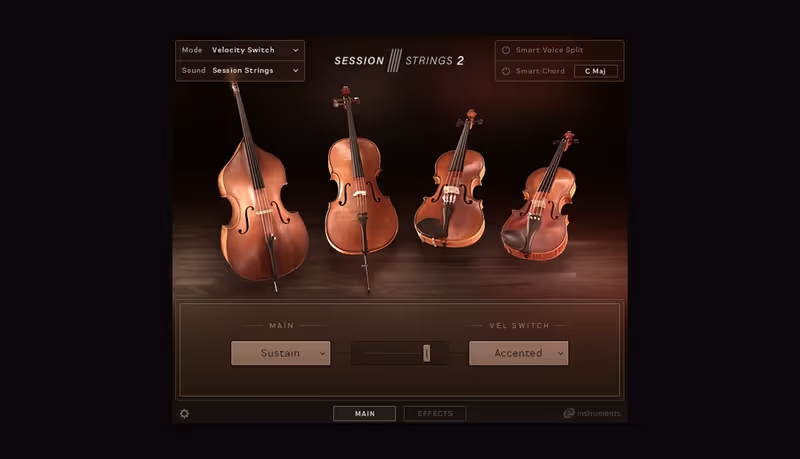
Most string libraries try to sound like John Williams. Session Strings tries to sound like Dua Lipa. It is recorded completely dry with a small section, focusing on the tight, rhythmic articulations (falls, scoops, staccatos) that are essential for disco and house music rather than epic cinema. The "Animator" engine is a built-in step sequencer that turns chords into rhythmic ostinatos instantly, providing immediate inspiration for backing tracks that groove hard.

The "Scoops" and "Falls" keyswitches are the secret sauce. Being able to end a phrase with a quick disco fall makes the line sound like a real session player rather than a MIDI block. Because it is dry, you can process it heavily with EQ and compression without the room tail getting weird, making it fit perfectly into a compressed pop mix alongside synths and drum machines.

Playing connects you to YouTube, which may set cookies.
Heard on
Modern Pop Disco House R&B Backgrounds
Check price $99
02 Output

Analog Strings

Best for Hybrid Textures

A hybrid texture engine rather than a chamber library, so it earns its place beside one and never instead of it.

Score
6.3
out of 10

How it scored

  • Realism 6.0

    Heavily processed. Realism was never the target.

  • Legato & Playability 7.5

    Good macros, though it leads the writing rather than following.

  • Mic Options 5.5

    A designed instrument, not a mic-position library.

  • CPU & RAM Footprint 6.0

    20 GB and heavy on CPU once layers stack.

Why we picked it

Hybrid scoring and electronic music production requiring modern textures.

Who should skip it

You need to write a traditional quartet. This is a sound design tool.

The good

  • Unique sound
  • Great interface
  • Creative presets

The bad

  • Not traditional
  • Heavy CPU
  • Processed sound
Engine
Kontakt Player
Type
Hybrid Strings
Size
20 GB
Price
$199
Why it scored that way

Strings for the future. Half orchestra, half synthesizer.

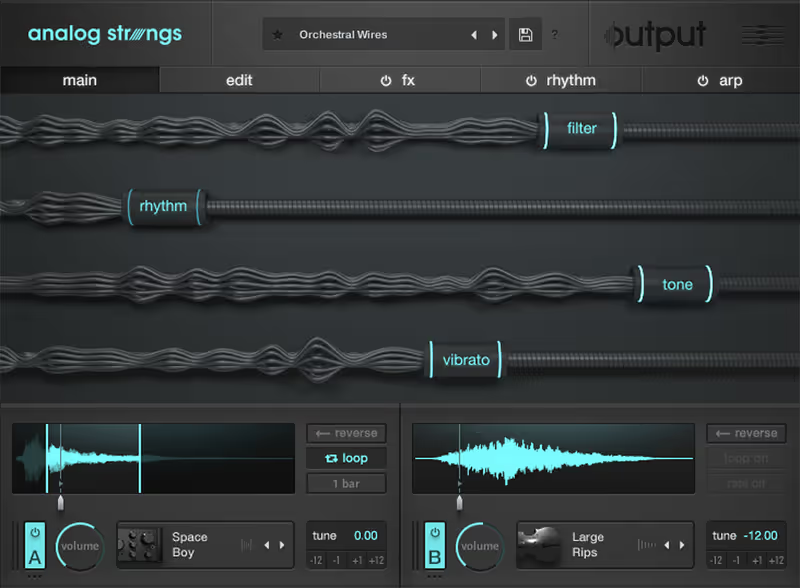
Analog Strings is not a traditional library. It takes a real chamber string section and layers it with plucky synthesis, vintage pads, and creative tape effects to create something entirely new and futuristic. It is designed for modern production where you want the "idea" of strings but with a fresh, sound-design twist that stands out. The reverse-loops and pulse patches are fantastic for creating momentum in a track without resorting to generic spiccato runs.

It treats strings as a sound source rather than a sacred instrument. You can filter them, chop them, and modulate them like a synth. For hip-hop and electronic producers, this is often much more useful than a naked violin patches. It sits in the mix like a pad but has the organic texture of a bow on a string, adding a layer of sophistication to electronic beats.

Playing connects you to YouTube, which may set cookies.
Heard on
Westworld Style Modern Hip Hop Trailers
Check price $199
03 Spitfire Audio

Spitfire Chamber Strings

Best for Film Drama

The default professional chamber library, and the Air Studios room that makes it is also the thing you can never remove.

Score
7.9
out of 10

How it scored

  • Realism 9.2

    The air in the recording is the reason this library exists.

  • Legato & Playability 8.5

    Agile enough for fast writing, if not the quickest here.

  • Mic Options 9.0

    A full mic tree, though every position is a wet one.

  • CPU & RAM Footprint 5.0

    80 GB and resource heavy. Weakest on this list.

Why we picked it

Professional composers needing the classic London film score sound. It works for drama, action, and everything in between.

Who should skip it

You want a totally dry sound. This is baked into Air Lyndhurst and is always wet.

The good

  • Perfect room sound
  • Incredible detail
  • Huge articulation list

The bad

  • Expensive
  • Wet sound only
  • Can be resource heavy
Engine
Kontakt Player
Type
Chamber Strings
Size
80 GB
Price
Check site
Why it scored that way

The definitive chamber library. If you own one, this is it.

Spitfire Chamber Strings (SCS) is widely considered the best library Spitfire has ever made. Why? Because the room (Air Lyndhurst) does 90% of the work. A small section of 4-3-3-3-3 players excites the hall differently than a massive symphony. You get the beautiful reverb tail but retain the focus and "bite" of the individual instruments. It sounds expensive, classy, and undeniably cinematic right out of the box.

The "Performance Legato" patch is a masterpiece of scripting. It interprets your playing speed to switch between agile runs and slow, emotive slurs without you needing to touch a keyswitch. It allows you to perform complex melodies in real-time with a fluidity that feels like a real conductor is following you. It is the core of my template for 80% of my scoring work, simply because it sits in the mix so effortlessly.

Playing connects you to YouTube, which may set cookies.
Heard on
Bridgerton Style BBC Dramas Modern Film Score
Check price
04 Impact Soundworks

Tokyo Scoring Strings

Best for Anime Battle

The most agile library here and the most willing to take EQ, which is exactly what a dry recording buys you.

Score
8.1
out of 10

How it scored

  • Realism 8.6

    Focused and clean. It sounds like a room you can place yourself.

  • Legato & Playability 9.2

    The best agility in this roundup for fast passages.

  • Mic Options 8.0

    Dry by design, so the mixing decisions stay yours.

  • CPU & RAM Footprint 6.8

    30 GB, and the lookahead mode introduces real latency.

Why we picked it

Anime and Game composers who need agility and a dry, focused sound that takes EQ well.

Who should skip it

You want a lush, romantic, blurry sound. This is sharp and precise.

The good

  • Lookahead engine
  • Cutting tone
  • Agile legato

The bad

  • Dry sound
  • Specific aesthetic
  • Latency in Lookahead
Engine
Kontakt Player
Type
Anime Strings
Size
30 GB
Price
Check site
Why it scored that way

The sound of Anime. Sharp, precise, and incredibly agile.

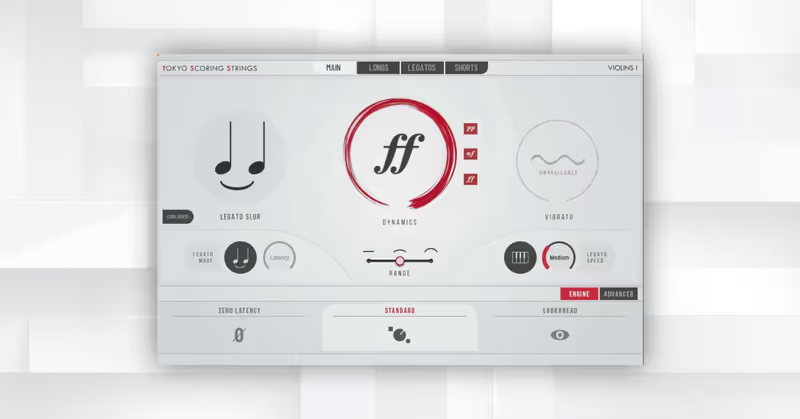
Western strings tend to be warm and lush. Japanese strings are bright, focused, and incredibly precise. Tokyo Scoring Strings captures this aesthetic perfectly. The "Lookahead" mode is a game-changer. It adds a small delay to your playback but allows the engine to analyze the incoming MIDI ensuring that every attack is perfectly timed and every legato transition is smooth. It handles fast, virtuosic runs better than almost any other library I have tested.

Because it was recorded in a tighter studio (Sound City), it is much drier than Spitfire. This makes it ideal for dense mixes like battle themes where you have heavy drums and guitars. The strings cut through the wall of sound like a laser. If you are writing high-energy music that needs definition rather than a wash of reverb, this is the ultimate weapon in your arsenal.

Playing connects you to YouTube, which may set cookies.
Heard on
JRPGs Anime Openings Genshin Impact Style
Check price
05 Cinematic Studio Series

Cinematic Studio Strings

Best for Romantic Themes

The most musical legato on this list, bought at the cost of a delay you have to play around all day.

Score
8.0
out of 10

How it scored

  • Realism 9.0

    Dark and rich, and it blends with almost anything.

  • Legato & Playability 9.0

    Superb transitions, undercut by the timing you must compensate for.

  • Mic Options 6.5

    A largely fixed mix with limited room to rebalance.

  • CPU & RAM Footprint 7.5

    30 GB and well behaved in a large template.

Why we picked it

Romantic themes and darker, emotional scoring. It blends well with everything.

Who should skip it

You need ultra-fast agile runs. The legato is optimized for medium to slow tempos.

The good

  • Beautiful tone
  • Simple workflow
  • Great vibrato

The bad

  • Legato delay
  • Limited articulations
  • Dark sound
Engine
Kontakt Player
Type
Romantic Strings
Size
30 GB
Price
Check site
Why it scored that way

The smooth operator. Dark, lush, and incredibly easy to use.

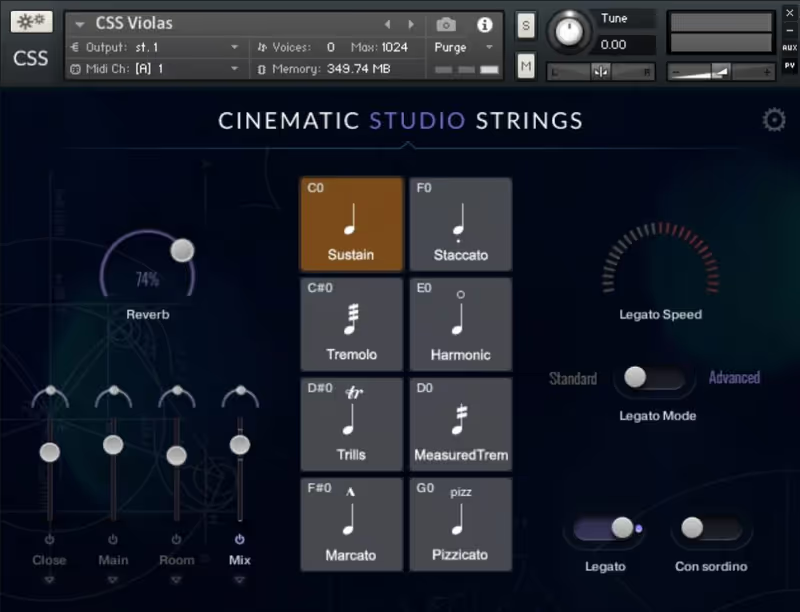
Cinematic Studio Strings (CSS) has a cult following for one reason: Tone. It is darker and warmer than Spitfire or Tokyo, capturing that lush, emotional characteristic that is often hard to mix but beautiful to hear. It sounds like golden age Hollywood-rich, romantic, and thick. The library is famous for its simple keyswitch layout (which is consistent across their entire product line), making it incredibly fast to learn and use. You spend less time engineering and more time composing.

The legato is notoriously slow (by design), which gives it a deeply emotional, dragging feeling perfect for slow adagios and romantic themes that need to breathe. While you have to compensate for the delay in your DAW, the payoff is a connection between notes that feels startlingly real and fluid. It doesn't just switch samples. It morphs between them with the weight of a real bow arm.

Playing connects you to YouTube, which may set cookies.
Heard on
Emotional Underscore Romantic Films Youtube Covers
Check price
06 Audiobro

LASS 3 (LA Scoring Strings)

Best for Complex Divisi

The most capable divisi engine available, and it will take real time before it sounds like anything at all.

Score
8.0
out of 10

How it scored

  • Realism 9.0

    True divisi keeps counterpoint legible where others turn to mud.

  • Legato & Playability 7.0

    A steep curve. This is not a library you learn on a deadline.

  • Mic Options 8.5

    Dry and flexible, which also means it requires mixing.

  • CPU & RAM Footprint 7.5

    16 GB, and light for what it delivers.

Why we picked it

The ultimate tool for complex orchestration and detailed divisi writing where realism is paramount.

Who should skip it

You want a finished sound instantly. It requires work to make it shine.

The good

  • Ultimate control
  • Divisi capability
  • Raw sound

The bad

  • Steep learning curve
  • Dry sound
  • Requires mixing
Engine
Kontakt Player
Type
Divisi Strings
Size
16 GB
Price
Check site
Why it scored that way

The control freak's dream. Build your own section size.

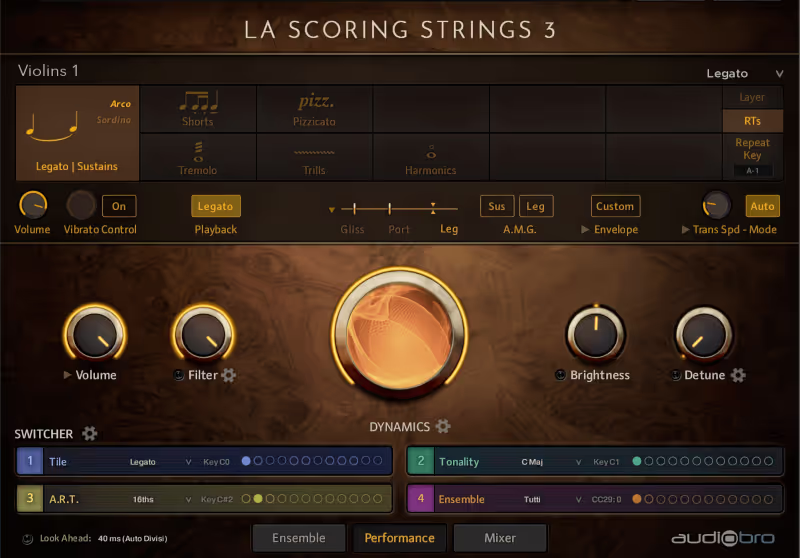
LASS was the first library to let you split the section (e.g., taking the 16 violins and playing them as 4 groups of 4). LASS 3 updates this with a modern interface and "Lookahead" engine. This divisi capability means you can write true counterpoint within a single section without the artificial volume buildup of stacking full section samples. It sounds raw, honest, and dry, giving you total control over the mix placement.

It is not a "pretty" library out of the box. It requires mixing, EQ, and reverb. But that rawness is its strength. It doesn't hide behind a wash of room tone. If you are a composer who wants to sculpt your sound from the ground up and write complex, interweaving lines, LASS gives you the granular control to do it realistically. It is a professional tool for complex orchestrators.

Playing connects you to YouTube, which may set cookies.

Heard on
TV Scoring Detailed Mockups Study
Check price
07 Fracture Sounds

Con Amore

Best for Quiet Drama

A specialist for quiet, textural writing, and it has no shorts and no loud dynamic, so it cannot carry a cue alone.

Score
7.9
out of 10

How it scored

  • Realism 8.5

    Genuinely lovely inside its narrow dynamic window.

  • Legato & Playability 7.5

    Expressive quietly, with no short articulations at all.

  • Mic Options 6.5

    Limited, in keeping with a small specialist library.

  • CPU & RAM Footprint 9.0

    5 GB. The lightest library in this roundup.

Why we picked it

Perfect for intimate drama and quiet, textural scoring where subtlety is required.

Who should skip it

You need to play loud. It lives in the quiet dynamics.

The good

  • Beautiful texture
  • Atmosphere layer
  • Simple UI

The bad

  • Limited dynamics
  • Specialist use
  • No shorts
Engine
Kontakt Player
Type
Textural Strings
Size
5 GB
Price
Check site
Why it scored that way

For quiet moments. Delicate, breathy, and close.

Most libraries focus on the loud "spiccato" and the big "sustains." Con Amore focuses on the quiet, intimate details that other libraries ignore. It captures the "con amore" (with love) playing style-gentle, bow-on-the-fingerboard textures that sound fragile and beautiful. This is the library you use when the scene is a single tear rolling down a cheek, not a spaceship exploding. The noise of the bow moving is part of the charm.

It is technically simple but emotionally complex. By layering the "Atmosphere" layer (a processed pad made from the strings), you can create a bed of sound that feels organic yet ethereal. It is a specialist tool, but for modern "Nordic Noir" or emotional drama scoring, having a library that specializes in the pianissimo dynamic range is invaluable.

Playing connects you to YouTube, which may set cookies.
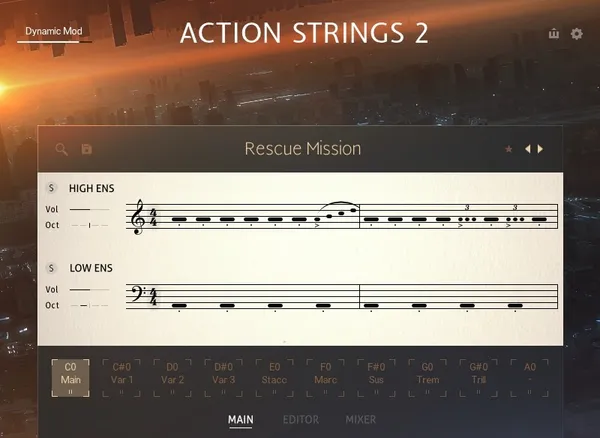
Heard on
Nordic Noir Indie Film Emotional Ads
Check price
Read more →

Methodology

Who is this for

Working composers and producers who need reliability, speed, and character for professional scoring tasks.

Our testing process

Where we have tested a product, we do it in actual production scenarios, ranging from rapid sketches to commercial pitches, and we evaluate it in a dense template rather than in isolation. Where we have not, the product card says so and the assessment is drawn from specifications and documented behaviour instead.

Why you should trust us

We buy most reviewed plugins ourselves. Occasionally we receive NFRs for evaluation, but this never guarantees a review or positive verdict. We may earn commissions from links, but our editorial choices are never for sale.

Also considered

For every category, we audition the top 8 to 15 standard options, discarding any that suffer from poor scripting, slow load times, or uninspiring sampling.

Frequently Asked Questions

What is the difference between chamber and full orchestral strings?

Player count, and everything that follows from it. A chamber section is roughly four to eight players per part against sixteen or more in a full section, which means less mass, a tighter ensemble attack and far more audible detail. Chamber libraries sound closer and more human, and they will not produce the weight of a full string section however many instances you stack.

When should I use chamber strings instead of a full section?

Whenever the writing is exposed. Solo lines, small counterpoint, intimate drama and anything under dialogue benefit from the smaller ensemble, because the detail survives. Reach for a full section when the cue needs scale rather than clarity.

Can I layer chamber strings with a full section?

Yes, and it is a common way to get detail on top of weight. Watch the room, though, since two libraries recorded in different halls will disagree about depth and the result reads as two orchestras rather than one. Match the reverb tails and pull the close mics on whichever library is providing the body.

Why do fast passages sound better on chamber libraries?

Fewer players means a shorter and more consistent attack, so a run stays legible. A large section smears at speed because sixteen bows never land at exactly the same moment, which is a real acoustic property rather than a sampling flaw. Write the fast material for the smaller ensemble and let the big section carry the sustained harmony.

Written By

Louis Raveton

Louis works across immersive scores (Venice Biennale, LVMH) and animation (Canal+), while producing Downtempo and Electro-Dub as Monsieur Shwill and Flagada. He treats his sample drive like a record collection, constantly hunting for the perfect 'imperfect' texture

Related Guides

All Guides →

New reviews, no noise

Occasional email when we publish something worth your time. No daily digest, no vendor press releases.

We store only your address, never sell it, and delete it as soon as you unsubscribe. See our privacy policy.