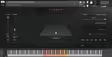




Tested in our studio
The loudest way to put a hit in a trailer mix, and the hardest to use anywhere quieter than one.
How it scored
- Low End Impact 9.5
The deepest here, to the point of arguing with your bass.
- Mix Presence 9.2
Pre-processed to cut through orchestration without help.
- Flexibility 5.5
The processing is baked in. Sparse cues cannot use it.
- Realism 6.0
Hybrid and metallic by design rather than a recorded ensemble.
Why we picked it
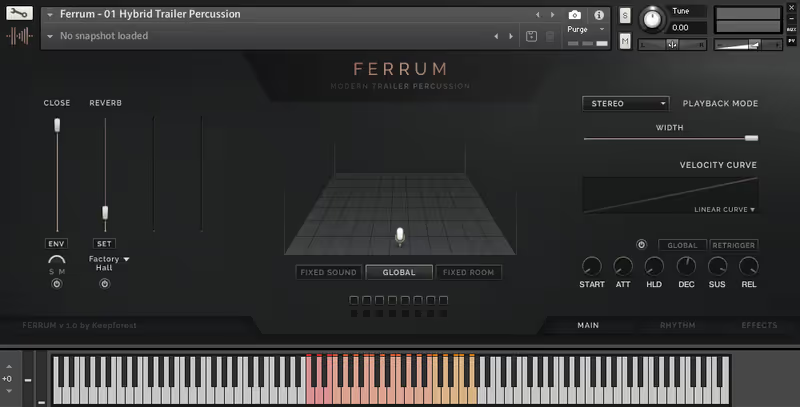
Best for trailer impact because it cuts through dense orchestration instantly. A heavier alternative to Damage 2.
Who should skip it
Avoid if you write delicate acoustic tracks.
The good
- Massive low end
- Pre-processed for instant use
- Great metallic textures
The bad
- Can be overwhelming in sparse mixes
- Heavy CPU load
- Requires careful EQ to sit with deep basses
- size
- Varies
- format
- Kontakt
- Price
- $299
Why it scored that way
The undisputed king of aggressive trailer hits.
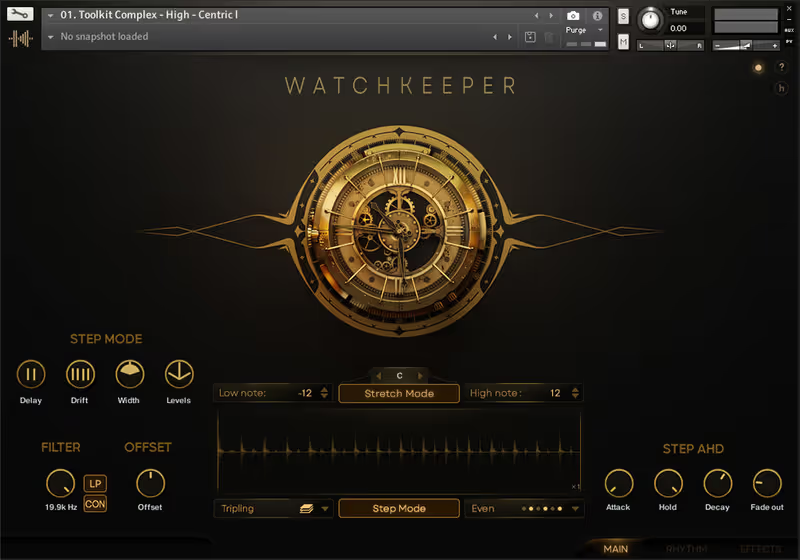
I used this on a brutal deadline last week when the director complained the action scene felt completely hollow and lacked genuine impact. Ferrum delivers an incredibly aggressive, almost rusted texture that pierces right through dense analog synth sequences and heavy orchestral brass patches without any muddiness. You do not have to spend hours layering multiple kick samples or stacking transient shapers just to get one decent, thunderous impact.
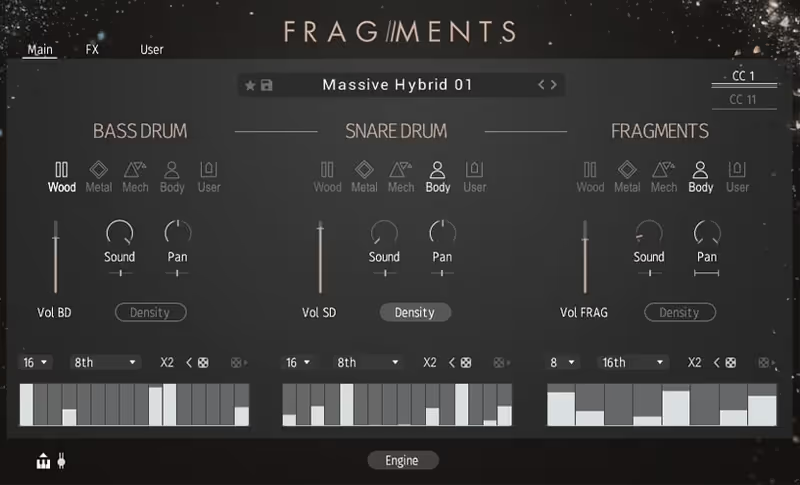
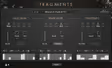
The built-in step sequencer is highly intuitive, so I am not constantly hunting for hidden modulation parameters when I should be actively writing the cue. It handles extreme tape saturation beautifully and maintains its focus without turning into a cluttered mess in the vital low mids. This instrument is absolutely not designed for delicate underscoring, but it is absolutely phenomenal for applying brute force during demanding post-production schedules.
Playing connects you to YouTube, which may set cookies.