
Do This Now
- 1 Sketch with a fast ensemble patch, then swap in individual sections once the director has signed off.
- 2 Check for separate microphone positions before buying. A locked mixdown leaves you nothing to fix at mix stage.
- 3 Avoid libraries that only offer an eighty-piece section. Intimate drama and fast writing both need a chamber size.
- 4 Buy one accurate analog synth and learn its filters and envelopes rather than collecting ten emulations.
- 5 A library that takes sixty seconds to load a string patch is useless on a broadcast deadline, whatever it sounds like.
Playing connects you to YouTube, which may set cookies.
Building a film scoring template requires massive functional storage and memory. Beginners often buy massive 200GB libraries that grind their systems to an absolute halt. You do not need every single esoteric articulation ever recorded to deliver a television score.
Professional composers build their templates entirely around workflow speed and CPU efficiency. If a library takes sixty seconds to load a basic string patch, it is functionally useless on a broadcast deadline. You must prioritize fast-loading ensemble patches for quick sketching and detailed solo libraries for final polish.
Sketch on Ensembles, Polish on Sections
Individual orchestral sections sound fantastic in isolation but take hours to program realistically. A full string ensemble patch is vastly faster for sketching harmonic ideas on a strict deadline. When I worked on the pilot episode for a recent network thriller, I wrote eighty percent of the initial score using one simple ensemble string patch.
The main annoyance with ensemble patches is the lack of strict voice leading control. The low frequency spectrum gets muddy immediately if you play thick chords on your keyboard. You must physically ride your low band EQ to keep the basses out of the way of the cellos.
You should always verify that an ensemble patch includes separate microphone positions before purchasing. A single locked mix down microphone signal offers no flexibility during the final mixing stage. You need access to a close microphone to add bite and a tree microphone to provide natural width.
- Sketching
- Fast ensemble patches
- Final polish
- Individual section libraries
- Must have
- Separate mic positions
- Close mic
- Bite, tree mic=Width
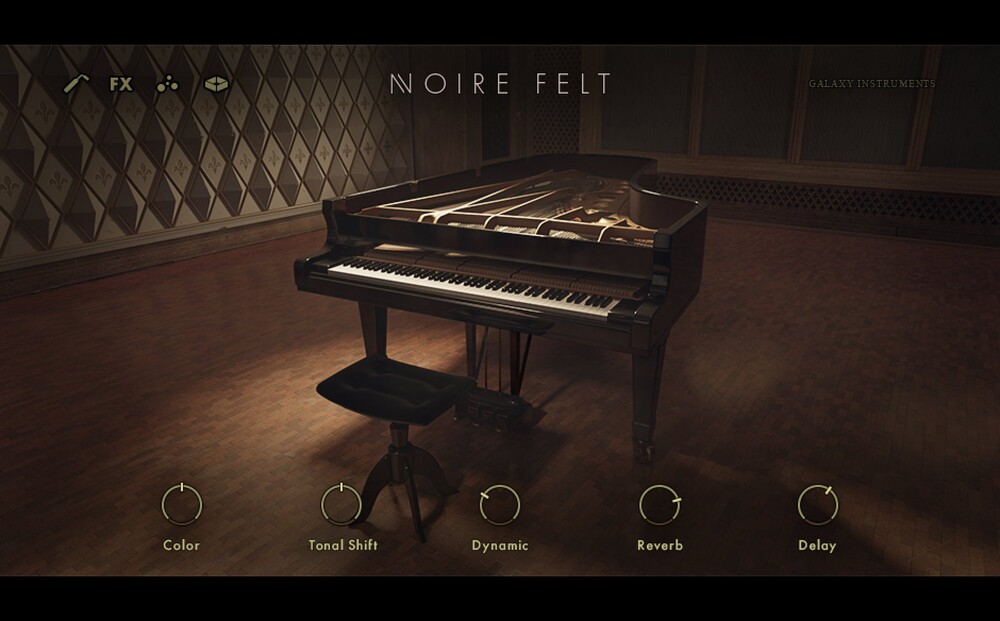
Playing connects you to YouTube, which may set cookies.
Buy Chamber Sizes, Not Only 80-Piece Sections
Once the sketch is approved by the director, you must replace the ensemble chords with individual string sections. You need a dedicated library for first violins, second violins, violas, cellos, and basses. This allows you to program independent dynamic arcs for each instrument using MIDI continuous controllers.
Do not buy libraries that only feature massive eighty-piece symphonic string sections. These massive sections are completely inappropriate for intimate dramatic scoring or fast action passages. You need a smaller chamber section library to handle intricate, fast passages without smearing the transients into a muddy wash.
The friction with buying multiple section libraries is managing the inherent room tones. A string library recorded in London will acoustically clash with a brass library recorded in Los Angeles. You will spend hours applying precise EQ cuts just to force the two rooms to sit properly together in your mix.
Buy One Synth and Learn It Properly
Traditional orchestras are rarely used entirely on their own in modern media. Most modern trailer and film tracks blend analog subtractive synths directly beneath the brass and string sections. You need a solid synthesizer to add heavy low-end weight to your orchestral double basses.
Do not waste money buying ten different subtractive synth emulations. Purchase one accurate analog emulation and master how to program the filters and amplifier envelopes. A simple saw wave with a heavy low-pass filter can sit perfectly under a cello section to provide imperceptible power.
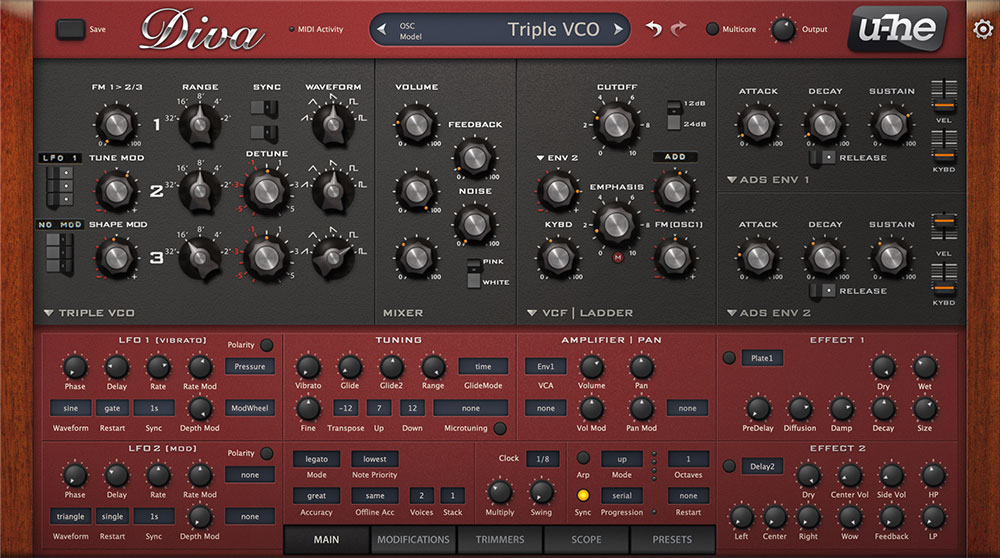
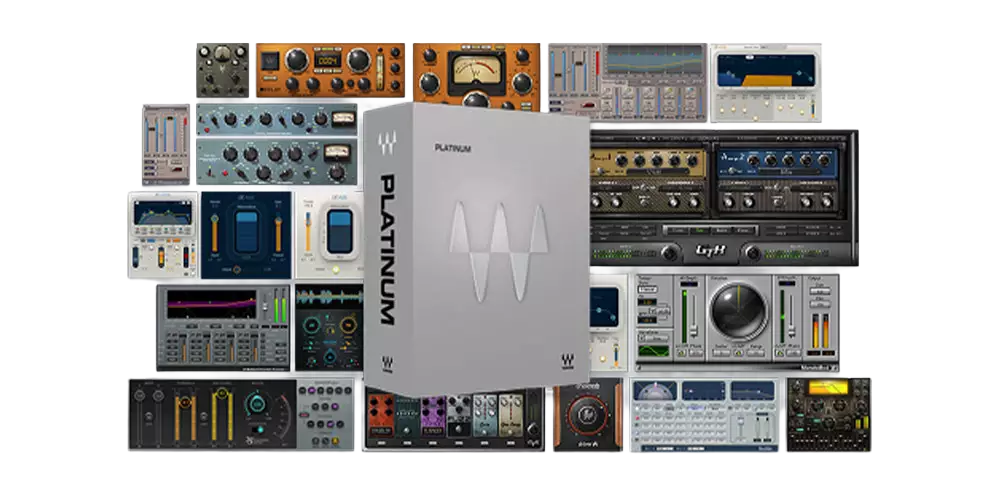
Finding a comprehensive bundle can conceptually save you money initially. However, you must avoid bloated bundles packed with filler instruments you will never actually use in a real project. Select focused bundles that explicitly cover your primary instrumentation needs.
Related Articles
Best Analog Emulations (Jupiter-8, Juno-106) for Producers
Warm, fat, and vintage. We review the top analog modeling plugins (Arturia, u-he Diva) that capture the behavior of real hardware.
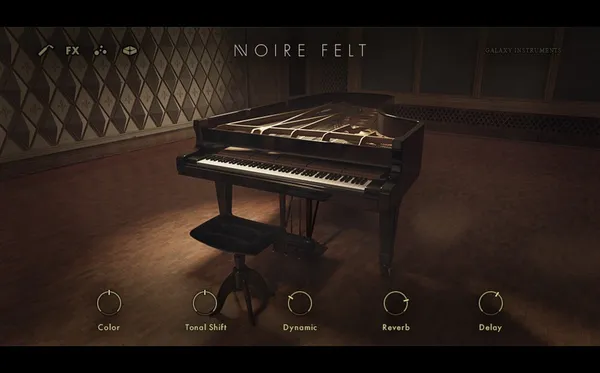
The Best Cinematic Pianos for 2026
We tested 50 libraries to find the best cinematic piano VSTs for 2026. Our top picks for film scoring, trailers, and emotional ambiances.
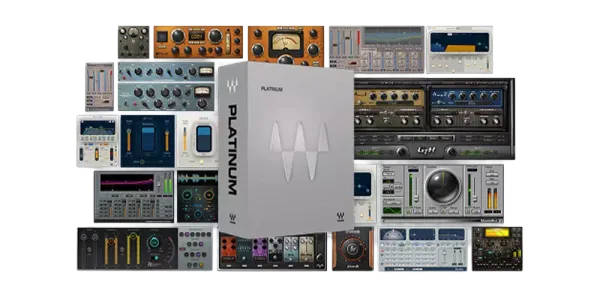
Best 'Bang for Buck' VST Bundles for Producers
Bulk savings, ranked by budget. Five bundles from 199 to 1249 dollars, covering the first mixing chain up to a complete scoring studio.
Frequently Asked Questions
Should I buy an ensemble library or individual sections first?
An ensemble library first, if you are writing to deadlines. Ensemble patches get a cue sketched quickly and sound convincing in a full mix; individual sections are what you buy once you know which part of the orchestra your writing actually leans on.
How much disk space and RAM do sample libraries really need?
Budget an SSD for anything you play live and expect a large orchestral template to sit in the tens of gigabytes of RAM once preloaded. Disk speed matters more than raw capacity, because streaming libraries fail as dropouts and stuck notes rather than as a disk-full error.
Are more articulations always better?
No. A library with eighteen articulations you would actually reach for is worth more than one with sixty you have to audition mid-cue. Depth in the articulations you use daily beats breadth you navigate around.
Should I wait for sales to buy sample libraries?
For most developers, yes, since the major libraries discount predictably around seasonal sales. The exception is a library you need for a cue that is due, where the deadline costs more than the discount saves.
More Guides
All Guides →Workflow Tricks for Film Composers: Speeding Up MIDI Production
Practical DAW organization strategies, macro setups, and routing techniques to dramatically increase composition and mixing speeds.
Building a Hybrid Scoring Template: Merging Orchestra and Synths
A technical walkthrough of routing, stemming, and balancing orchestral sample libraries with modern analogue synthesizers.
What Is a Mod Wheel? MIDI CC1 and What It Actually Controls
The mod wheel sends MIDI CC1, but what that does depends entirely on what is receiving it. Vibrato on a synth, dynamics on a sample library, and how to fix one that does nothing.
New reviews, no noise
Occasional email when we publish something worth your time. No daily digest, no vendor press releases.
We store only your address, never sell it, and delete it as soon as you unsubscribe. See our privacy policy.

Louis Raveton
Louis works across immersive scores (Venice Biennale, LVMH) and animation (Canal+), while producing Downtempo and Electro-Dub as Monsieur Shwill and Flagada. He treats his sample drive like a record collection, constantly hunting for the perfect 'imperfect' texture