

Best Chiptune VSTs (2026): 8-Bit Nostalgia

The limited polyphony and crude waveforms of 80s game consoles created a musical aesthetic that never died. From the NES triangle wave to the C64 SID chip, these sounds are iconic.

Last Updated: January 2026
Ewan Clarke
By Ewan Clarke

Ewan is a sound designer whose patches have appeared in major wavetable synths and cinematic scoring libraries. A self-confessed modular addict, he bridges the gap between West Coast experimentation and pop-ready polish. He believes every preset should tell a story.

Chiptune isn't just about using a square wave. It's about the limitations. The distinct "arpeggio" chords of the NES existed because the hardware couldn't play chords. The "noise" drums were just filtered static. Emulating these quirks is what separates a generic synth from a true Chiptune instrument.

I’ve tested the best emulations to see which ones capture the specific D/A converter grit and limitations of the original hardware. Whether you want to score a pixel-art indie game or add a retro lead to a pop track, these are the best 8-bit engines.

Quick Summary

  1. 1. Super 8 Best for Synth Pop
  2. 2. Super Audio Cart Best for Retro Scoring
  3. 3. Chipsounds Best for Tracker Music
  4. 4. Magical 8bit Plug 2 Best for Sound Effects
  5. 5. Peach Best for Netlabel Chiptune
  6. 6. SASY Best for Robot Choir
  7. 7. Sidizer Best for C64 Bass
Read more →

Methodology

Who is this for

Working composers and producers who need reliability, speed, and character for professional scoring tasks.

Our testing process

We test every library in actual production scenarios—ranging from writing rapid sketches to delivering commercial pitches. We evaluate how they perform in a dense template, not just in isolation.

Why you should trust us

We buy most reviewed plugins ourselves. Occasionally we receive NFRs for evaluation, but this never guarantees a review or positive verdict. We may earn commissions from links, but our editorial choices are never for sale.

Also considered

For every category, we audition the top 8 to 15 standard options, discarding any that suffer from poor scripting, slow load times, or uninspiring sampling.

Top Picks

Native Instruments

Super 8

Best For: Synth Pop
Engine VST/AU/AAX
Type Retro Polysynth
Size 100 MB
Price $99

Retro flavor with a modern workflow. Fun, fast, and fat.

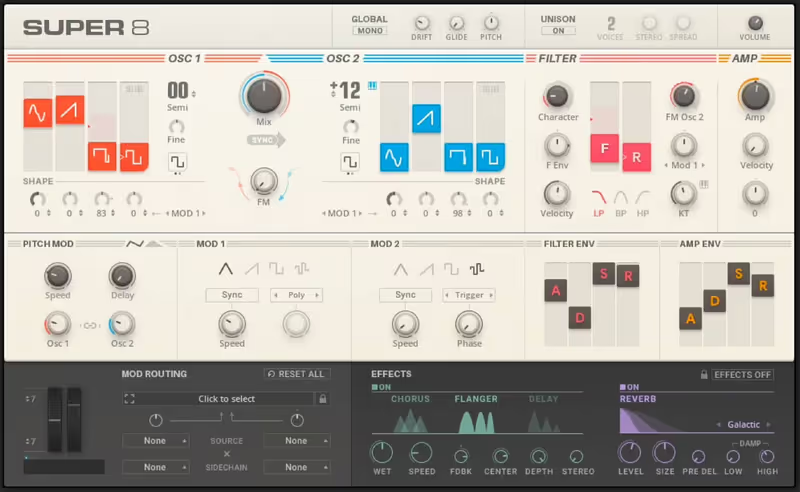
Super 8 isn't trying to be a dusty museum piece. It takes the aesthetic of vintage polysynths (like the Roland Juno and Korg Polysix) and gives them an 8-bit facelift. The result is a synth that sounds "retro-futuristic." It has the warmth of analog but the grit of digital. The interface is highly visual, with big knobs and bright colors that encourage playfulness rather than technical tweaking.

It fits perfectly in modern Lo-Fi and Pop productions where you want a "nostalgic" feeling without actually sounding 8-bit. The modulation routings allow for complex, evolving pads that barely resemble video game music, making it surprisingly versatile. It occupies a unique space between a true chiptune synth and a modern virtual analog, giving you the best of both worlds. I find it incredibly inspiring for writing catchy top-lines and bass riffs.

Super 8

Our Verdict

Why we love it

Modern producers wanting to inject retro synth flavor into pop and hip hop tracks.

Who should skip

You want exact NES emulation. This is a modern polysynth with retro vibes.

The Good
  • + Great UI
  • + Modern sound
  • + Easy to use
× The Bad
  • - Not authentic 8-bit
  • - Limited oscillators
  • - NI ecosystem
Famous Uses:
Modern Pop Indie Dance Lo-Fi
Impact Soundworks

Super Audio Cart

Best For: Retro Scoring
Engine Kontakt Player
Type Console Samples
Size 10 GB
Price Check Site

The ultimate retro collection. Actual hardware recordings, not emulation.

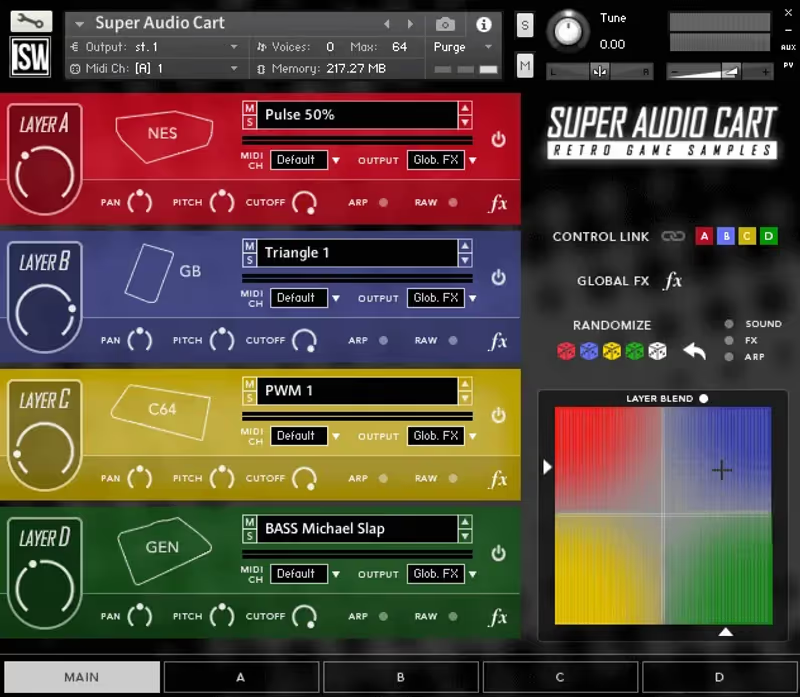
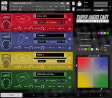
Super Audio Cart is unique because it isn't an emulation. It's a sample library. They painstakingly recorded the actual output of classic consoles (NES, SNES, Genesis, C64) through high-end preamps. This means you get the true, gritty noise floor and aliasing of the original chips, which is impossible to fake perfectly with synthesis. It captures the soul of the hardware-the imperfections, the drift, and the specific way the filters behave on a SNES or Sega Genesis.

But they didn't stop there. They put these samples into a 4-layer modern synth engine. You can layer a NES square wave with a Sega Genesis FM bass to create "hybrid" 16-bit patches that sound huge. It bridges the gap between authentic nostalgia and modern sound design. I use this for everything from pure chiptune tracks to modern synthwave where I need a lead sound that cuts through the mix with that distinct, cutting retro character.

Super Audio Cart

Our Verdict

Why we love it

Game composers needing a comprehensive history of video game sound in one box.

Who should skip

You want a lightweight plugin. This is a large sample library requiring Kontakt.

The Good
  • + Authentic samples
  • + Modern engine
  • + Huge variety
× The Bad
  • - Large install
  • - Not a synth
  • - Load times
Famous Uses:
Indie Games Pixel Art Styles Synthwave
Plogue

Chipsounds

Best For: Tracker Music
Engine VST/AU/AAX
Type Chip Emulation
Size 200 MB
Price Check Site

For the purist. It emulates the chips down to the silicon level.

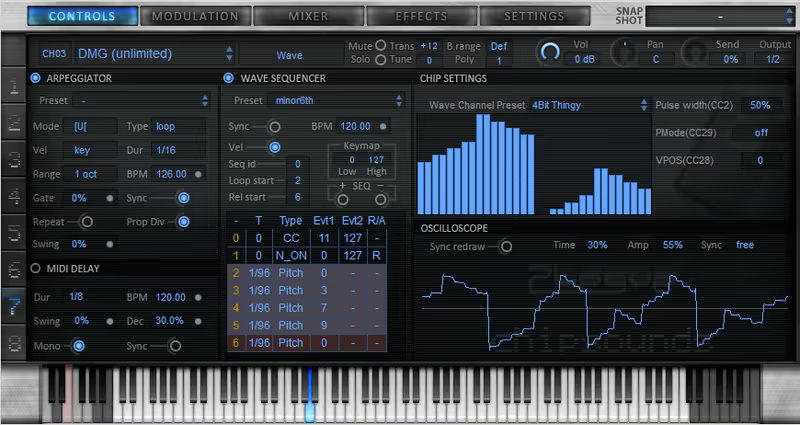
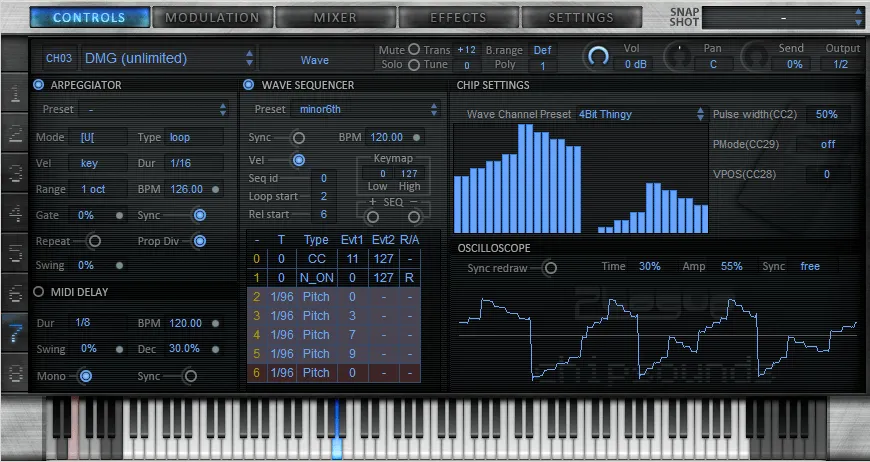
If Super Audio Cart is a photograph, Chipsounds is a physics simulation. Plogue is obsessive about accuracy, modeling the actual silicon circuits. They emulated the specific glitches and "illegal" opcodes of chips like the SID (C64) and the TIA (Atari). This means you can recreate techniques that were only possible on the hardware, like the wavetable switching used to make rudimentary speech. It sounds harsh, raw, and absolutely authentic to the original machines.

It is a history lesson in a plugin. Browsing the presets is like walking through a computer museum. It is less "mix-ready" than Super Audio Cart, best suited for those who want to build their sounds from the ground up using the authentic limitations of the era. The level of control you have over the arpeggiator and the wave cycle duty allows for incredibly expressive performances that mimic virtuoso tracker music from the demoscene era.

Chipsounds

Our Verdict

Why we love it

Hardcore chiptune artists and demoscene musicians who demand 100% accuracy.

Who should skip

You want a simple "Mario" sound. This interface is complex and technical.

The Good
  • + Perfect emulation
  • + Deep editing
  • + All the chips
× The Bad
  • - Complex UI
  • - Steep learning curve
  • - Very dry sound
Famous Uses:
Demoscene Chiptune albums Research
YMCK

Magical 8bit Plug 2

Best For: Sound Effects
Engine VST/AU
Type 8-Bit Oscillator
Size 5 MB
Price Check Site

The legend. Simple, effective, and totally free.

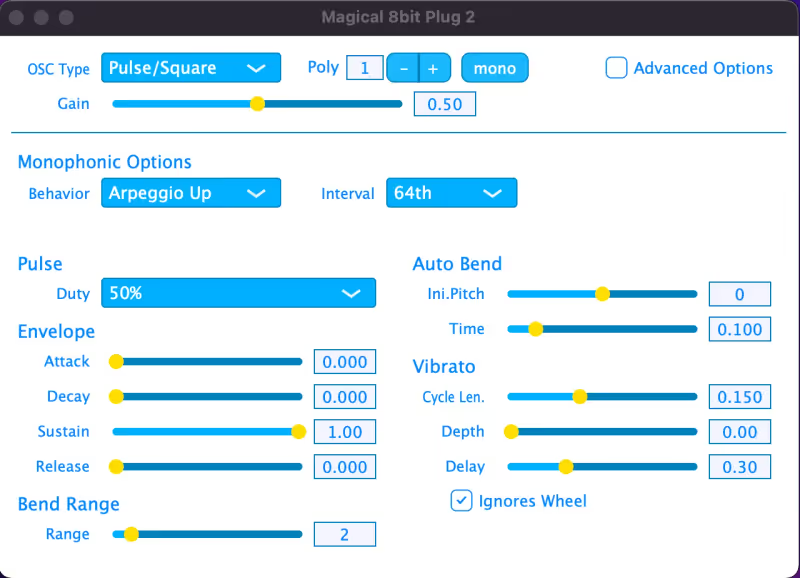
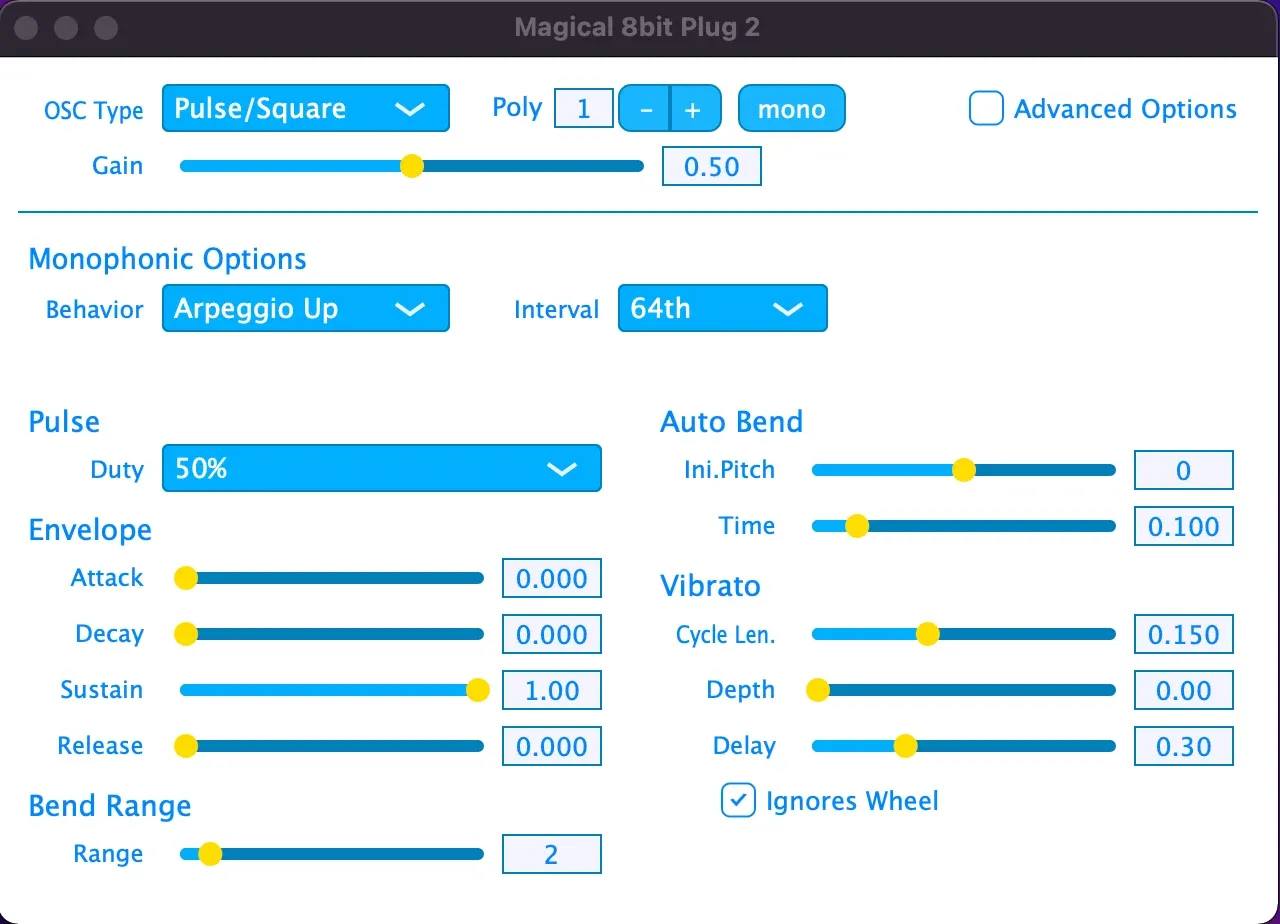
Sometimes the best things in life are free, and this is definitely one of them. This plugin was developed by YMCK, one of the most famous chiptune bands in the world, because they couldn't find a plugin that sounded right to their ears. It is incredibly simple: perfectly tuned Square, Pulse, Triangle, and Noise waves. It does one thing, and it does it perfectly. There is no bloat, just pure, unadulterated 8-bit tone that cuts through any mix.

The "sweep" function is where it shines. It allows you to create those iconic "coin" sound effects and pitch-dropping kicks instantly. It creates that "bloop" sound better than any $200 synth I own. Because it is so lightweight, you can load 20 instances of it without your CPU even blinking, making it perfect for complex arrangements where you treat each instance as a separate voice of the sound chip.

Why we love it

Beginners and pros alike who need a quick, reliable 8-bit oscillator.

Who should skip

You need built-in effects or reverb. It is just a raw tone generator.

The Good
  • + It's free
  • + Authentic YMCK sound
  • + Simple
× The Bad
  • - Very basic
  • - No UI to speak of
  • - Features
Famous Uses:
YMCK Albums Indie Devs Flash Games
Tweakbench

Peach

Best For: Netlabel Chiptune
Engine VST (32-bit)
Type C64 Emulation
Size 5 MB
Price Check Site

The sound of the early internet chiptune scene.

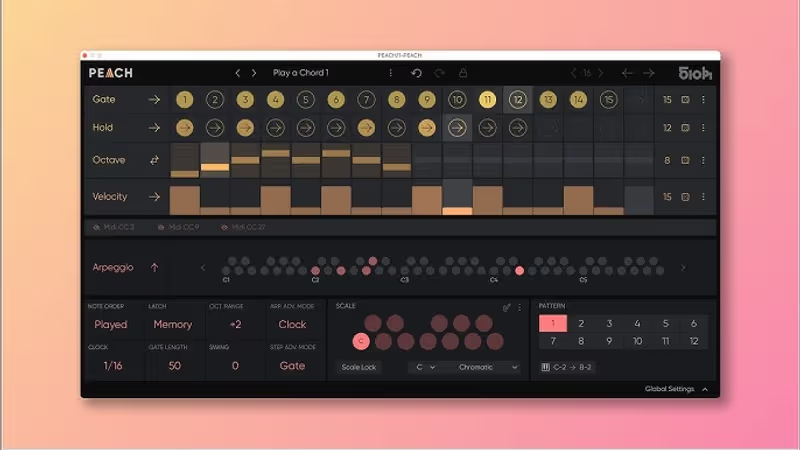
If you listened to chiptune on MySpace in 2006, you heard this plugin. Peach mimics the Nintendo NES sound chip perfectly for that era. It sounds a bit digital and "plugin-y" compared to modern emulations like Plogue, but that specific sound became a genre in itself. It has a charming, lo-fi quality that is nostalgic for a different era-the era of flash loops and netlabels-that many producers still try to emulate today.

It is extremely simple to use and has a very specific "thick" character to the square waves. While it is 32-bit only (requiring a bridge on modern systems), many producers keep an old laptop around just to run this specific set of plugins because nothing else sounds quite like them. It captures a very specific moment in internet musical history, and for that reason alone, it is worth the hassle of getting it to run.

Peach

Our Verdict

Why we love it

Nostalgia for the 2000s netlabel scene. It has a specific "fake-bit" sound.

Who should skip

You are on a modern 64-bit Mac. It is old Windows software mostly.

The Good
  • + Classic sound
  • + Free
  • + Simple
× The Bad
  • - 32-bit only
  • - Abandoned
  • - Windows focus
Famous Uses:
8-bit covers Newgrounds MySpace Music
Karoryfer Samples

SASY

Best For: Robot Choir
Engine Sforzando
Type Speech Synth
Size 500 MB
Price Check Site

The 8-bit choir. It sings, it screams, it glitches.

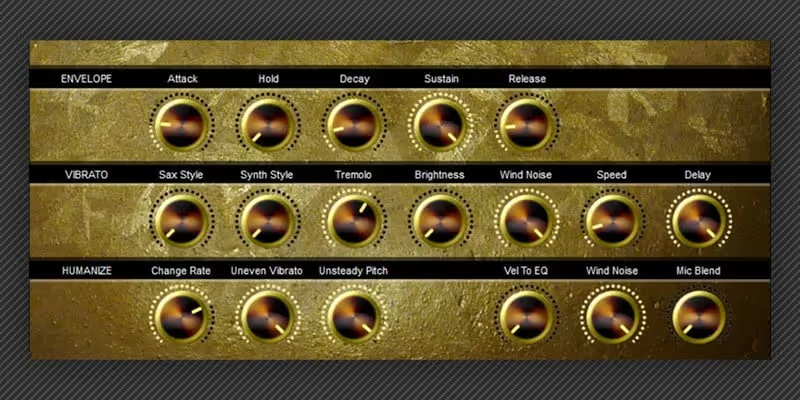
Chiptune vocals are usually just a square wave playing a melody. SASY tries to do something different entirely. It manages to create vowel sounds (Ah, Oh, Ee) using rudimentary synthesis techniques, effectively creating an 8-bit choir that can actually sing. It sounds like a robot trying to learn opera. It is haunting, weird, and undeniably cool for adding a melodic vocal element to an instrumental track that needs a unique human-ish touch.

It’s perfect for the "Boss Fight" music where you want a choir but a real symphonic choir would sound out of place. It sits perfectly in the mix with other square waves because it is made of the same sonic DNA. The interface allows you to blend between vowels, creating shifting timbres that add movement and life to what would otherwise be a static waveform. It brings a pseudo-human element to the strictly digital world of chiptune.

SASY

Our Verdict

Why we love it

Adding a vocal or choral element to a chiptune track without breaking the 8-bit aesthetic.

Who should skip

You want real lyrics. It sings vowels, not words.

The Good
  • + Unique
  • + Vocal textures
  • + Free/Cheap
× The Bad
  • - Hard to control
  • - Specific sound
  • - Requires Sforzando
Famous Uses:
None (Secret Weapon) Experimental Game Bosses
Hypersynth

Sidizer

Best For: C64 Bass
Engine VST
Type SID Emulation
Size 50 MB
Price Check Site

The heavy metal of chiptune. Gritty, aggressive, and loud.

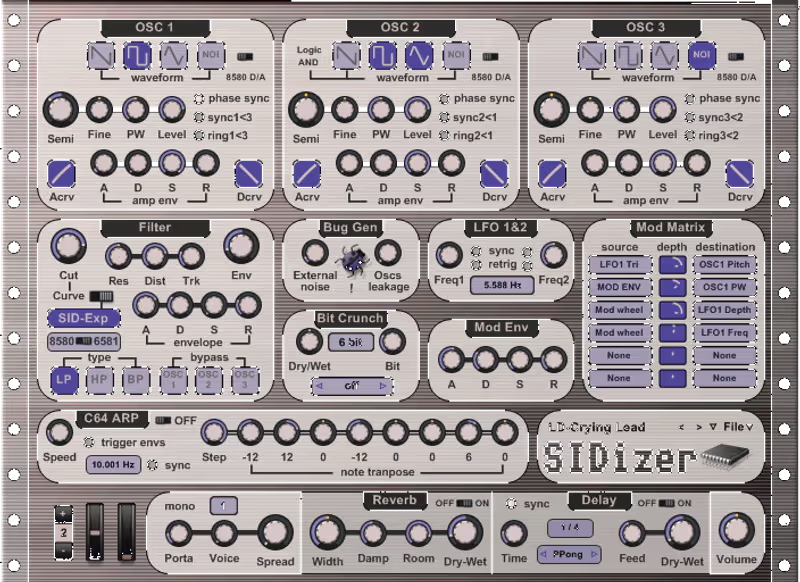
The C64 SID chip was different from the NES. It had a filter, and it could growl. Sidizer captures that aggression perfectly. The wavetable engine allows you to create those classic "arpeggiated basslines" that defined the soundtrack of games like Commando. It sounds biting and electrical. Unlike the pure tones of the NES, the SID chip had grit and distortion, and Sidizer emulates the filter resonance behavior that made the original chip famous.

It is my go-to for bass. A square wave on the NES is round. A square wave on Sidizer cuts like a saw. If you are making "Chiptune Metal" or high-energy action music, this provides the low-end weight and midrange bite you need. The built-in sequencer is fantastic for creating those rapid-fire basslines that are impossible to play by hand, giving your track authentic C64 energy instantly.

Sidizer

Our Verdict

Why we love it

SID chip enthusiasts and producers needing aggressive, filtered chiptune sounds.

Who should skip

You want cute, happy Nintendo sounds. This is the dark, gritty side of 8-bit.

The Good
  • + Aggressive tone
  • + Great filter
  • + Wavetables
× The Bad
  • - Windows only (mostly)
  • - Old plugin
  • - Specific sound
Famous Uses:
Machinae Supremacy C64 Remixes Action Games
Written By

Ewan Clarke

Ewan is a sound designer whose patches have appeared in major wavetable synths and cinematic scoring libraries. A self-confessed modular addict, he bridges the gap between West Coast experimentation and pop-ready polish. He believes every preset should tell a story.