
Last Updated: September 2026
Best Effects Plugins (2026)
An effect earns its place in a cue by doing something the recording could not. A delay that pushes a solo cello into a larger room, a saturator that gives a synth bass the harmonics to survive a laptop speaker, a modulated chorus that widens a string pad without thinning it. These are judged on that basis: how they behave on real orchestral and hybrid material, what they cost in CPU when a template is already full, and whether the character they add is something you can still take back out later.
Start here
New to Effects? These are the roundups worth reading first.
- Best Creative Delays (2026): Sound Design More than just echo. We review delays that pitch, filter, and mangle (EchoBoy, Timeless) to create unique rhythmic textures.
- The 7 Best Tape Delay Plugins for Authentic Analog Echo Discover the 7 best tape delay plugins for analog warmth, vintage degradation, and dub-style echo. Validated in real mixing sessions.
- Best Chorus Plugins (2026): Dimension & Width Instant width. We review the best chorus effects (Dimension D, Jun-6) for adding 80s shimmer and stereo depth to synths and vocals.
Effects deals
03 / LIVECurrent discounts on products we have reviewed. Prices come from the store feed, not from us.


Effects
•
By The ModWheel Team
Best LFOTool Alternatives
LFOTool draws a shape and applies it to volume in time. Four plugins do that across more destinations, and one solves the problem a different way entirely.
Read Review →
Effects
•
By Ewan Clarke
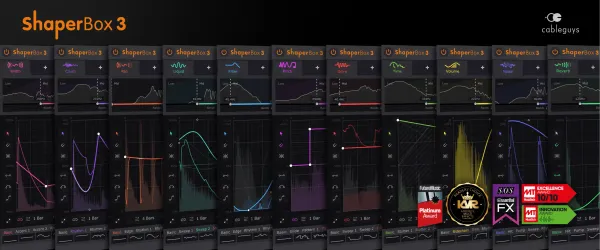
7 Best Multi-FX Plugins for Audio Mangling (2026)
Discover the best multi-FX plugins for experimental sound design. We review top audio mangling VSTs like ShaperBox, Effectrix, and Infiltrator.
Read Review →
Effects
•
By Henry Foster
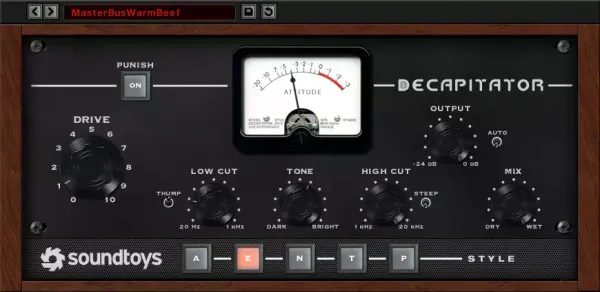
The 7 Best Saturation Plugins For Analog Warmth (2026)
A blunt review of the 7 best saturation plugins for analog warmth in 2026. Because digital sterility destroys good tracks.
Read Review →
Effects
•
By Ewan Clarke
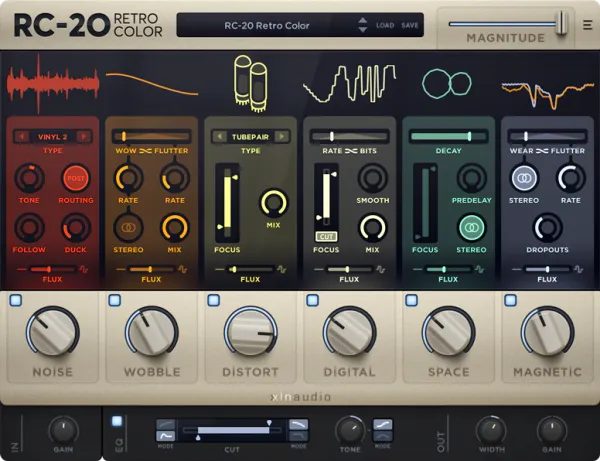
The 7 Best Lo-Fi Plugins For Vintage Vibes (2026)
A blunt breakdown of the 7 best lo-fi plugins for vintage vibes in 2026. Stop buying snake oil and start finding real grit.
Read Review →
Effects
•
By Ewan Clarke
7 Best Glitch Plugins for IDM and Glitchcore (2026)
Discover the best glitch plugins for experimental sound design, stutter effects, and IDM production. We review top VSTs like ShaperBox, Thermal, and Effectrix.
Read Review →
Effects
•
By Louis Raveton
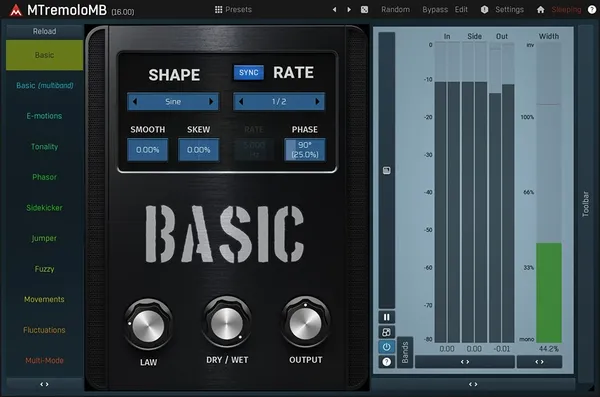
7 Best Tremolo Plugins for Broken Rhythms
A brutally honest breakdown of the 7 best tremolo plugins for adding movement and decay to sterile electronic productions.
Read Review →
Effects
•
By Louis Raveton
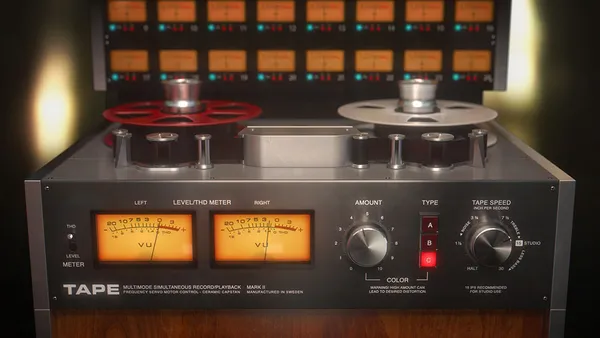
7 Best Tape Emulator Plugins, From Studer A800 to Lo-Fi Wear
Seven tape emulation plugins compared for tape saturation, from Studer A800 calibration and J37 EMI formulas to lo-fi wow and flutter, with prices.
Read Review →
Effects
•
By Louis Raveton
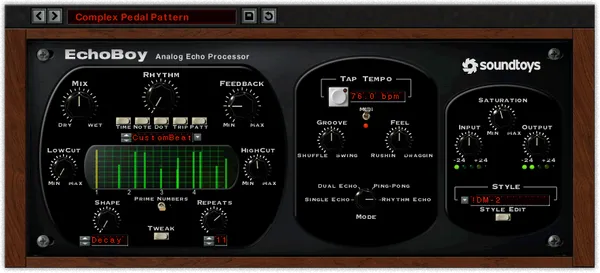
The 7 Best Tape Delay Plugins for Authentic Analog Echo
Discover the 7 best tape delay plugins for analog warmth, vintage degradation, and dub-style echo. Validated in real mixing sessions.
Read Review →
Effects
•
By Louis Raveton
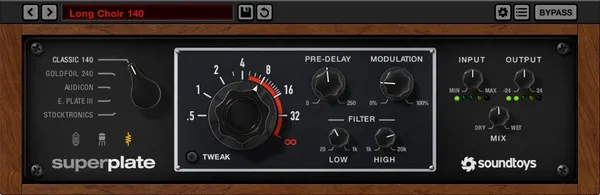
The 7 Best Plate Reverb Plugins for Shimmering Vocals
Discover the 7 best plate reverb plugins for lush, metallic decays that sit perfectly in a dense mix. Validated on lead vocals and snares.
Read Review →
Effects
•
By Louis Raveton
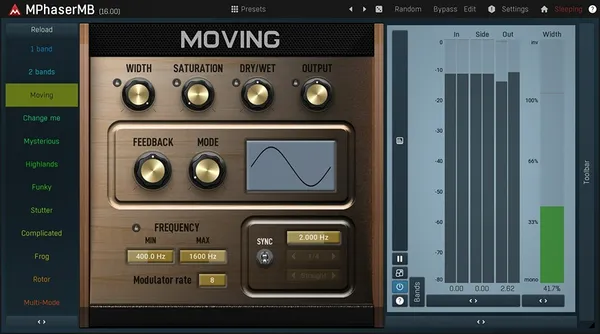
7 Best Phaser Plugins for Analog Texture
A brutally honest breakdown of the 7 best phaser plugins for electronic producers and sound designers, cutting through the marketing noise.
Read Review →
Effects
•
By Felix Ward
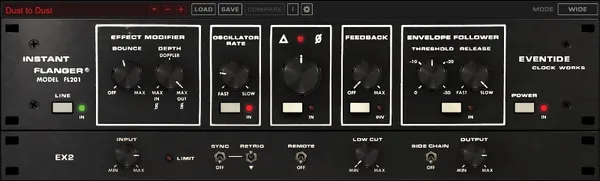
Best Flanger Plugins (2026): Jet Plane Woosh
That jet-plane woosh, without the phase mess. We review seven flangers (Eventide, MetaFlanger, Antresol) for stereo modulation that holds up in mono.
Read Review →
Effects
•
By Felix Ward
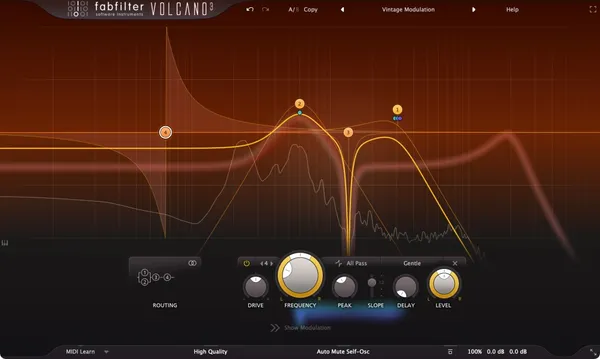
Best Filter Plugins (2026): Creative Sweeps
More than just a low-pass. We review the best creative filter plugins (Volcano, FilterFreak) for movement and modulation.
Read Review →
Effects
•
By Louis Raveton
Best Creative Delays (2026): Sound Design
More than just echo. We review delays that pitch, filter, and mangle (EchoBoy, Timeless) to create unique rhythmic textures.
Read Review →
Effects
•
By Henry Foster
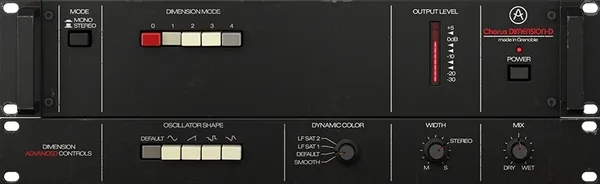
Best Chorus Plugins (2026): Dimension & Width
Instant width. We review the best chorus effects (Dimension D, Jun-6) for adding 80s shimmer and stereo depth to synths and vocals.
Read Review →
Effects
•
By Henry Foster
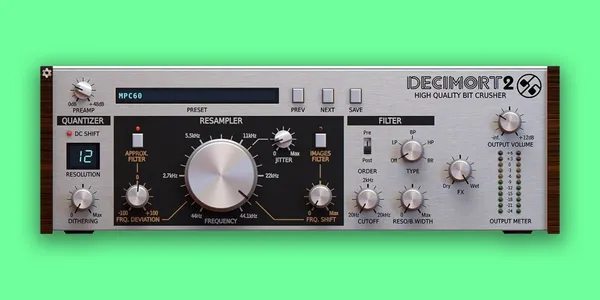
Best Bitcrusher Plugins (2026): Lo-Fi Drums
12-bit crunch. We review the best sample rate reducers (Decimort, RC-20) for getting that crunchy, old-school sampler sound.
Read Review →
Effects head-to-heads
Frequently Asked Questions
What is the difference between an effect and a mixing plugin?
A mixing plugin corrects: EQ, compression, level. An effect adds something that was not in the recording, such as a delay tail, a modulated width or a saturated harmonic. The line is blurry in practice, and a saturator used to fix a thin stem is doing both jobs at once.
Should effects go on the instrument or on a send?
Sends, for anything time-based. One reverb or delay shared across the strings, brass and woodwind keeps them in the same space, which is the whole point of a scoring template. Put the effect as an insert only when it defines the sound rather than places it, as with a filtered synth or a saturated bass.
Do effects belong in a scoring template at all?
Yes, but printed sparingly. A director's note can arrive after the cue is approved, and a stem soaked in a delay you cannot separate is a stem you cannot revise. Keep the wet signal on its own bus so it survives being asked for.
How much CPU should I budget for effects?
Less than you expect to need. An orchestral template already spends its headroom on samples, so an effects chain that is comfortable on an eight-track session can stall a hundred-track one. Where a plugin is expensive to run, we say so on the page.