The deepest modulation on this page, which is also why it takes longest to get a simple slapback out of.
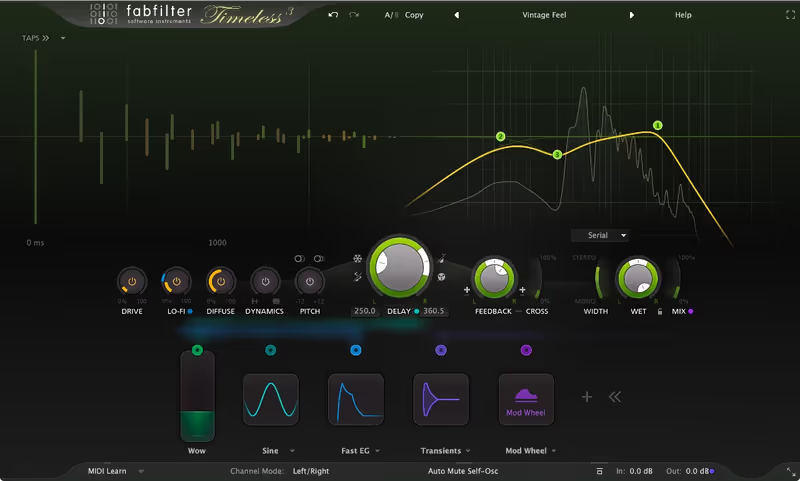
How it scored
- Repeat Character 7.5
Clean until you dirty it. The drive and lo-fi stages are good.
- Modulation Depth Best in list 9.6
Drag-and-drop LFOs and envelopes without a practical limit. Best here.
- Workflow Speed Lowest in list 6.5
Steep, and overkill for an eighth-note echo. Lowest here.
- CPU Footprint 8.5
50 MB and efficient for the depth on offer.
Why we picked it
Best for complex modulation and filtering because of its limitless drag-and-drop LFOs and envelopes.
Who should skip it
Skip this if you get paralyzed by too many options and just want a simple slapback.
The good
- Incredible visual feedback
- Modulation system is unmatched
- Great built-in drive/lo-fi effects
The bad
- Learning curve is steep
- Can sound too 'clean' initially
- Overkill for simple echoes
- Engine
- VST/AU/AAX
- Type
- Dual Delay
- Size
- 50 MB
Why it scored that way · 1 min read The sound designer's dream delay.
The sound designer's dream delay.
My Experience:
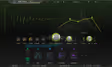
FabFilter plugins are known for their precision, but Timeless 3 is surprisingly gritty and creative. The drag-and-drop modulation system is the star here. I love mapping an envelope follower to the delay time, creating rubber-band pitch effects that react to the dynamic input of the track. It turns static loops into living, breathing entities.
Deeper Look:
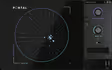
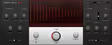
The filter section is incredible, allowing you to sculpt the feedback loop with up to six MM-style filters. You can create rising dub delays that thin out as they feed back, or dark, murky drones that get heavier with every repeat. The visual interface shows exactly what the delay taps are doing, which helps when programming complex cross-rhythms, even if it is overkill for a simple slapback.
Playing connects you to YouTube, which may set cookies.