
Do This Now
- 1 Divisi divides the players, it does not add them. Splitting 16 violins in four gives you four groups of four, each a quarter of the weight.
- 2 Write divisi for colour, unison for power. A tutti climax almost never wants a four-way split.
- 3 In samples, one patch playing four notes is not divisi. Use four tracks with different round robins, or the split is silent.
- 4 Divide by desks, not by pitch. Real sections split outside players from inside players, which is why divisi thins evenly.
- 5 Cap it at two ways for anything under a chamber-sized section. Eight players split four ways is two per line, which is a quartet, not a section.
Playing connects you to YouTube, which may set cookies.
Here is a thing that surprises composers who came to orchestral writing through a keyboard. Playing a four note chord into your string patch does not give you a richer string section. It gives you four string sections.
Divisi is the real technique that four note chord is imitating, and it works in the opposite direction from what most people assume.
Divisi Divides, It Does Not Add
Sixteen first violins playing one line is sixteen players of weight on that line. Ask them to divide in two and you have eight players on each of two notes.
The section's total output barely changes. What changes is how much of it is behind any individual note, and the answer is half. Divide four ways and it is a quarter.
That is the whole mechanism, and it explains the two things people get wrong. Divisi thins rather than thickens, and it is a colour decision rather than a power decision.
The friction, if you write at a keyboard, is that this is invisible until you hear it on a real section or on a library that models it. A sampled ensemble patch playing four notes sounds bigger, which trains exactly the wrong instinct.
Know When It Earns Its Place
Divisi is for harmony you want to hear as harmony, in a texture that does not need force.
A sustained string bed under dialogue is a good case. Divided into four, it becomes a chord that sits rather than a line that pushes, and the reduced weight is the point rather than a cost. Ethereal high writing is another, because a handful of players in the top register has a fragility a full section cannot produce.
Where it fails is the climax. A tutti moment wants every player behind the tune, and dividing the firsts at bar 40 of a trailer cue is how you get a big arrangement that somehow sounds small.
- 16 firsts, unison
- Full weight, one line
- 16 firsts, div. a 2
- 8 per line
- 16 firsts, div. a 3
- 5 per line
- 16 firsts, div. a 4
- 4 per line, a quartet
The standard professional compromise is worth stealing. Keep the first violins in unison on the melody and divide the seconds, violas and cellos underneath, so the tune keeps its weight and the harmony still spreads.
Playing connects you to YouTube, which may set cookies.
Divide by Desks, Not by Pitch
This is the detail that makes written divisi behave predictably, and it is invisible from a MIDI editor.
Players sit two to a desk, and a section divides by seat rather than by preference: outside players take the upper line, inside players the lower, or the desks alternate. Nobody chooses their part based on which note they like.
That matters because it makes the division even and repeatable. Both halves get the same mix of experienced and less experienced players, the same spread across the stage, and the same tone.
The catch when you are writing for samples is that none of this is modelled unless the library recorded it. So you have to build the evenness yourself, which is the next section.
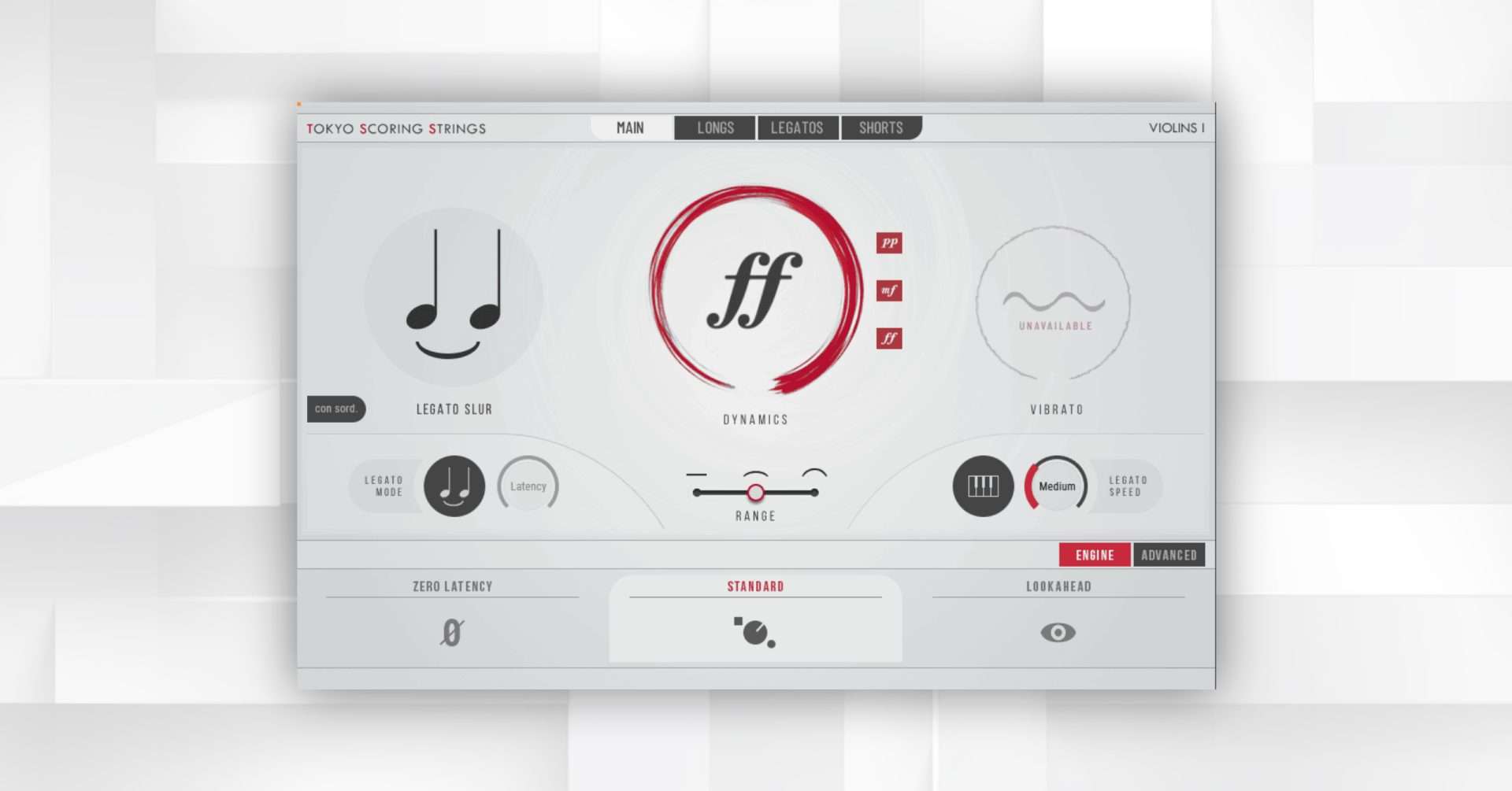
In Samples, Divisi Means More Tracks
A single patch cannot divide. It has one set of recordings and it will play your four notes with four copies of the whole section.
So build the split by hand. One track per divided line, each with its own instance, and vary something between them: a different microphone position, a different round robin offset, or where the library allows it a different section size.
Where you own a library with dedicated divisi patches recorded at reduced player counts, use those instead and skip the rest of this section. They are recorded with the right number of people, which no amount of layering reproduces.
- One patch, four notes
- Four full sections
- Four tracks, one note each
- Actual divisi
- Vary between tracks
- Mic position or round robin
- Level per divided line
- 2 to 4dB under the unison
Drop each divided line a couple of decibels under what the same music would sit at in unison. You are simulating fewer players, and fewer players are quieter, which the sampler has no way of knowing.
The annoyance is CPU and RAM. Four tracks of a large string library where you previously had one is a real cost on a big template, and it is why most people reserve hand built divisi for the few bars that need it rather than running it across a whole cue.
Do Not Divide a Small Section
Last, and it is the mistake that produces the worst result.
A chamber string section might be eight first violins. Divided four ways that is two players per line, which is not a divided section, it is a pair of soloists with all the exposure problems that brings. Every wobble in intonation and every difference in vibrato becomes audible, because there is nobody to hide behind.
The rule of thumb is to keep at least four players on any divided line. Below that you are writing chamber music, and you should decide to write chamber music rather than arrive there by accident.
Working backwards: divide a full section two or three ways, divide a chamber section twice at most, and leave a small ensemble in unison.
That single constraint prevents most of the damage, and it costs nothing to check before you write the split.
Related Articles
Best Chamber Strings (2026): Intimate Detail
Small sections, big emotion. We review the best chamber string libraries (Spitfire, Tokyo Scoring) for intimate, detailed scoring.
The Best Cinematic String Libraries for 2026
We tested the top string libraries for film scoring. From the lush legatos of CSS to the intimacy of Spitfire, find the best VSTs for emotional writing.
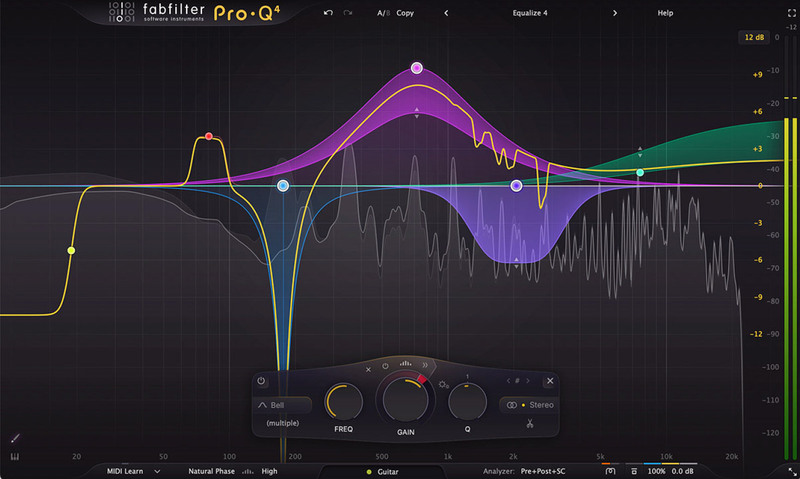
Best Orchestral EQs (2026): Clean & Surgical
Don't color the sound. We look at the most transparent EQs (Pro-Q 4, Oxford EQ) for carving out space in dense orchestral templates.
Frequently Asked Questions
What does divisi actually mean?
It means the players in one section divide into two or more groups, each taking a different note, rather than all playing the same line. It is written div. in the score and the reverse instruction is unis. Crucially it divides the existing players rather than adding any, so the total volume of the section stays roughly the same while the weight behind each individual note drops.
Is divisi the same as a double stop?
No, and the difference matters. A double stop is one player bowing two strings at once, which every player does simultaneously, so the section keeps its full weight on both notes. Divisi splits the players between the notes. Double stops are limited to intervals a hand can reach and are harder to play smoothly, which is why lush wide chords are usually divisi and tight intervals are often double stops.
How many ways can a string section divide?
Physically as many as there are players, practically two or three for most film work. A large section of 16 first violins split four ways leaves four players per line, which sounds like a small chamber group rather than a section, and the effect is thinness rather than richness. Divisi a 3 is about the limit before the character changes completely.
How do I program divisi with sample libraries?
Put each divided line on its own track with its own instance of the library, ideally with different microphone positions or different round robins on each. Playing a four-note chord into a single ensemble patch does the opposite of divisi: it stacks four full sections on top of each other, which is louder and thicker rather than divided and thinner. A few libraries ship dedicated divisi patches recorded with reduced player counts, and those are worth the disk space if you write this way often.
Should I use divisi for a big climax?
Usually not in the violins. A climax wants the maximum number of players behind the melodic line, and dividing them is the one thing guaranteed to reduce that. The common professional solution is to keep firsts in unison on the top line and divide the lower sections, so the tune keeps its full weight while the harmony underneath still spreads.
More Guides
All Guides →Layering Two String Libraries Usually Makes Things Worse
Stacking two libraries on one line gives you comb filtering and two halls fighting. The four conditions that make layering work, and the alignment step everyone skips.
Why Your Ostinatos Sound Like a Machine Gun
Repeated notes expose the one thing sampling cannot hide: the same recording played twice. Round robins, velocity spread, note length and the reset trap, with the numbers.
Why Your Strings Sound Fake, and It Is Not the Library You Bought
Sampled strings give themselves away on note starts, not on tone. How to measure a legato patch's attack delay, set negative track delay per articulation, and stagger section entries.
New reviews, no noise
Occasional email when we publish something worth your time. No daily digest, no vendor press releases.
We store only your address, never sell it, and delete it as soon as you unsubscribe. See our privacy policy.

Louis Raveton
Louis works across immersive scores (Venice Biennale, LVMH) and animation (Canal+), while producing Downtempo and Electro-Dub as Monsieur Shwill and Flagada. He treats his sample drive like a record collection, constantly hunting for the perfect 'imperfect' texture