
Do This Now
- 1 Ask for the delivery spec before you write. If nobody answers, deliver around -23 LUFS integrated with true peak under -2dBTP and say so in the email.
- 2 Never limit a cue to a streaming target. A cue crushed to -14 LUFS gives the dubbing mixer no room and will be turned down, not turned up.
- 3 Loudness range matters more than the integrated number. A cue with 3 LU of range has already been squashed and cannot breathe under dialogue.
- 4 Leave 6dB of headroom on the master bus rather than filling it. The mix stage adds level, it does not remove it.
- 5 Deliver stems at the same level relationship as the mix. Rebalanced stems make the dubbing mixer rebuild your cue from scratch.
Playing connects you to YouTube, which may set cookies.
Somebody will ask you to deliver a cue and will not tell you how loud. Then, if it is wrong, they will tell you it is wrong.
Music for picture is not mastered like music for release, and the gap between those two habits is where most first deliveries go astray. This is the number, where it comes from, and what to do when nobody supplies it.
Understand Who the Level Is For
Your cue is not the finished product. It is one of at least three elements arriving at a mix stage, and the person balancing them against dialogue and effects has a spec of their own to hit.
That spec is usually the programme, not your stem. European broadcast works to -23 LUFS integrated under EBU R128, the American equivalent is -24 LKFS under ATSC A/85, and theatrical work is anchored differently again, to dialogue sitting around a fixed level on the stage. In every case the target describes the finished mix.
What this means for you is simple and counterintuitive. Your job is not to arrive loud, it is to arrive with room, because the mix stage adds level and cannot take back the dynamics you removed.
The friction is that nobody explains this to composers, and your reference material is all mastered music. Your ears have been calibrated by records, and records are the wrong model.
Deliver Around -23 LUFS When Nobody Tells You
In the absence of a spec, this is the default that will not get you a phone call.
Integrated loudness around -23 LUFS, measured across the whole cue rather than its loudest passage. True peak below -2dBTP. No limiting beyond a safety catch. Then say all three in the delivery email, because half the value is telling them what you did.
- Integrated loudness
- -23 LUFS
- True peak ceiling
- -2dBTP
- Master bus headroom
- 6dB
- Limiter gain reduction
- Occasional, not constant
Measure integrated, not momentary. A quiet cue with one loud hit and a loud cue with one quiet bar can show identical momentary peaks and differ enormously in how they sit, and integrated is the number that reflects the whole thing.
The annoyance is that your DAW's built-in meter may measure only the master output including any monitoring plugins you forgot were on. Bounce the file and measure the file, which is what the client will receive.
Playing connects you to YouTube, which may set cookies.
Watch the Range, Not Only the Number
Two cues at exactly -23 LUFS can be completely different deliverables, and the difference is loudness range.
Loudness range, reported as LRA in LU by most meters, describes how far the cue travels between its quiet and loud material. An orchestral cue that genuinely moves will show 8 to 15 LU. A cue that has been compressed into submission shows 3, and that number tells the dubbing mixer that your dynamics are gone before they start.
This matters more than the integrated figure because it is the part they cannot undo. Level is a fader move. Range is not.
So check LRA on every delivery, and treat a low number as a warning about your own bus processing rather than as a property of the music. The most common cause is a mastering chain copied from a record workflow and left running on a cue.
Leave the Headroom Rather Than Filling It
Six decibels of headroom on the master bus feels wasteful. It is not, it is the working space you are handing over.
A cue arriving at -23 LUFS with peaks near -2dBTP has room for the mix stage to push it where the picture wants it. A cue arriving with peaks glued to -0.3dBFS has none, and the only available move is downward, which means the loud moment you wrote will end up quieter than you intended relative to everything else.
Turn the monitoring up instead of turning the mix up. That sounds obvious written down and it is the single habit that fixes this problem permanently.
The catch is that quiet playback is genuinely harder to judge, especially for low end. Calibrate your monitors once, so that a known reference plays at a known level, and stop using the master fader as a volume knob.
Use the Limiter as a Catch, Not a Tool
You can still put a limiter on the cue. What matters is what it is doing.
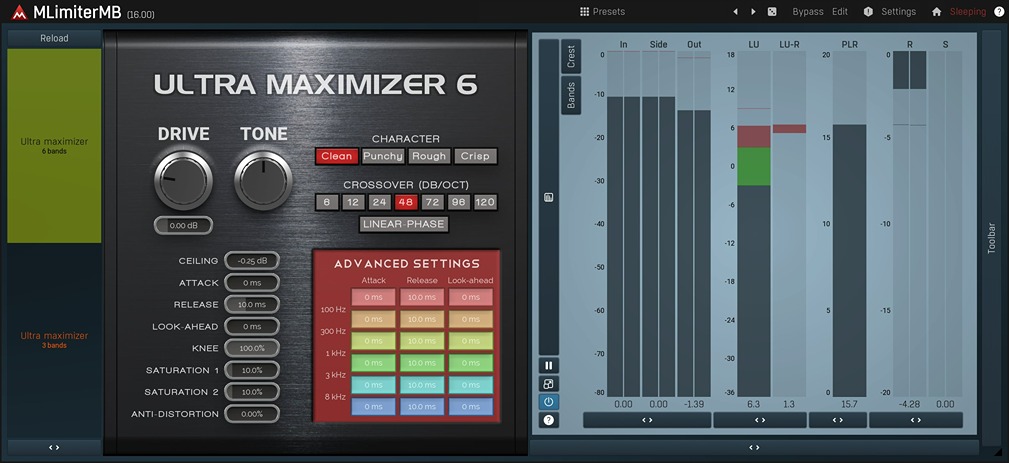
Set the ceiling at -2dBTP and the threshold where it engages on genuine transient spikes only, a decibel or two above the normal peak territory of the mix. Then watch the gain reduction meter through a full pass. Occasional flickers on percussion hits are fine and are what the limiter is for.
Continuous gain reduction is a different thing. That is loudness processing, it is a decision that belongs to somebody downstream, and it is the specific reason a returned cue comes back described as flat or lifeless.
If the cue only feels right with the limiter working hard, the problem is in the mix underneath it. Something is too dynamic relative to everything else, usually low percussion, and a compressor on that element solves it in a way the master limiter cannot.
Deliver Stems That Match the Mix
The last thing, and the one that generates the most annoyed emails.
When you deliver stems, they must sum to your mix. Same levels, same processing, same relationship, so that playing all of them together reproduces exactly what you approved. A rebalanced stem set forces the dubbing mixer to rebuild your cue by ear, and they will not rebuild it the way you wrote it.
That means bus processing has to be printed into the stems or omitted from both, not applied to the mix and skipped on the stems. Master bus compression is the usual offender, because it responds to the full mix and cannot be reproduced on individual groups.
The practical answer most composers land on is to keep the master bus close to empty, do the work on the groups, and let the stems carry it. It costs you the glue that a bus compressor gives, and it buys deliverables that behave. On music for picture that is the right trade almost every time.
Ask First, Every Time
All of the above is what to do when nobody tells you. Somebody usually can.
One line in an email before you start writing, asking for the loudness spec and the true peak ceiling, saves the whole problem and marks you as someone who has done this before. Most of the time the answer will be a shrug and the defaults above are what you use anyway.
But when the answer is a real spec, it will not be the one you guessed, and finding that out at delivery is the expensive way to learn it.
Related Articles
9 Best Limiter Plugins for Mastering and Stem Delivery
The best limiter plugins compared on transparency, control, speed and CPU, from Weiss, Sonnox, TDR and IK true peak limiters to a budget brickwall and two free limiters.

Best Bus Compressors (2026): The 'Glue'
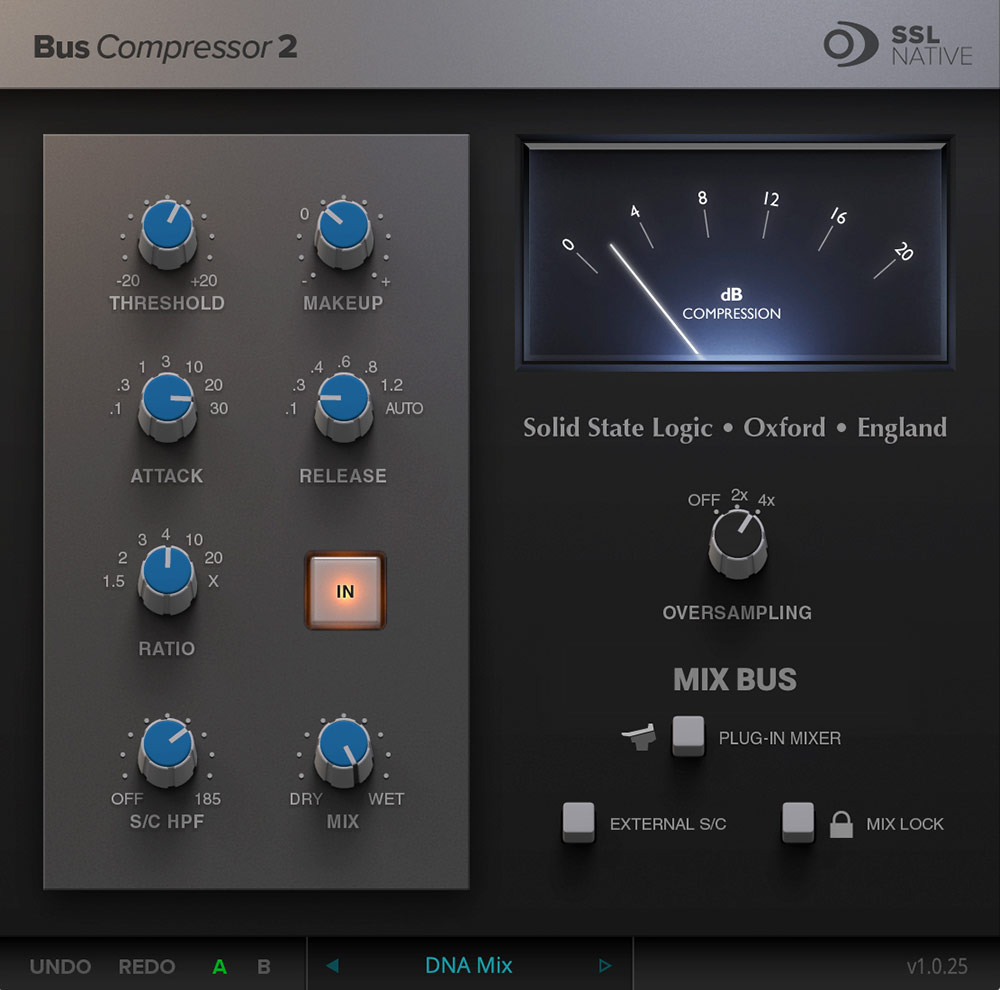
Stick your mix together. We review the legendary SSL and API bus compressor emulations that give your track that finished 'record' sound.
The 6 Best Mastering Plugins, Stage by Stage (2026)
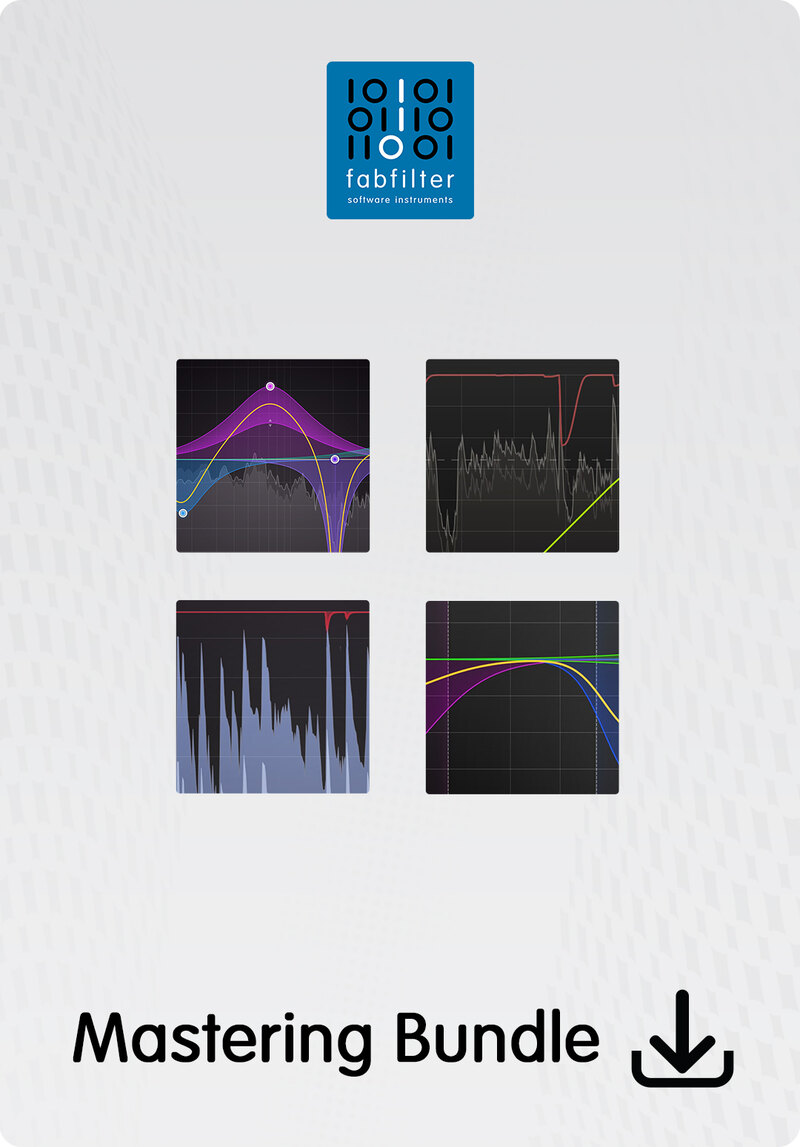
Six mastering plugins scored on sound, speed, CPU and metering: FabFilter's Mastering Bundle, Elevate, UA's SSL G bus compressor, the M5133 EQ and more.
Frequently Asked Questions
What LUFS should I deliver a film cue at?
There is no single answer, because the spec comes from the production rather than from the music. Broadcast television in Europe works to -23 LUFS integrated under EBU R128 and the US equivalent is -24 LKFS under ATSC A/85, and those numbers apply to the finished programme, not to your cue on its own. When nobody gives you a spec, delivering music around -23 LUFS integrated with true peak under -2dBTP is a safe default that a dubbing mixer can work with.
Why does my cue sound quiet compared to my Spotify reference?
Because it should. A streaming master sits around -14 LUFS and is the finished product, whereas a cue is one element that will be placed under dialogue and effects by someone else. Matching a streaming level means arriving with your dynamics already spent, and the mix stage will simply pull the fader down, so all you have achieved is a flatter cue at the same final volume.
Should I put a limiter on my cue at all?
A limiter as a safety catch is fine, a limiter as a loudness tool is not. Set it to catch stray peaks a decibel or two above where the mix normally sits, so it engages rarely, and check the gain reduction meter is mostly idle. If it is working continuously you are delivering a decision that belongs to the dubbing mixer.
What is the difference between LUFS and dBFS?
dBFS measures sample peaks and tells you about clipping, LUFS measures perceived loudness over time and tells you about how loud something sounds. Two cues can both peak at -1dBFS and differ by 8 LUFS, and the quieter-measuring one will sound quieter no matter what the peak meter says. Deliverables are specified in LUFS because it is the number that correlates with what anyone hears.
Do I need to worry about true peak or is sample peak enough?
True peak, because lossy encoding and sample rate conversion can push a signal above its sample peak by a decibel or more. A cue that peaks at exactly 0dBFS can clip after it is encoded for delivery even though nothing clipped in your session. Leaving true peak under -2dBTP costs nothing and removes the problem.
More Guides
All Guides →Mastering Master Bus Compression
A technical guide to implementing master bus compression, setting attack and release times for glue, and avoiding the over-compression trap.
Why Your Cue Falls Apart the Second the Director Plays It on a Laptop
A laptop speaker rolls off below 400Hz, so everything holding your cue together vanishes. What survives, what to check before you send, and the one reference that catches it.
Mastering Cinematic Percussion: Programming Massive Rhythmic Beds
Techniques for layering Taikos, sub-booms, and ticking clocks to create modern trailer and film percussion tracks without destructive clipping.
New reviews, no noise
Occasional email when we publish something worth your time. No daily digest, no vendor press releases.
We store only your address, never sell it, and delete it as soon as you unsubscribe. See our privacy policy.

Henry Foster
Henry is a mixing engineer with a background in broadcast and post-production. He obsesses over signal flow, gain staging, and the subtle coloration of analog-modeled plugins. His reviews focus on technical precision, CPU efficiency, and UI workflow.