
Do This Now
- 1 A hit is three parts: an impact, a body and a tail. Take them from three sources and each one becomes a separate decision.
- 2 Build from the bottom up and filter every layer. If two layers both own 80Hz, neither of them is heard.
- 3 The tail decides the size, not the impact. A short tail on a huge hit reads as a door slamming, a long one reads as a canyon.
- 4 Line the transients up by ear, not by grid. Samples have different amounts of silence before the attack, and the grid does not know that.
- 5 Leave the two bars before the hit almost empty. Nothing makes an impact larger than the absence of everything preceding it.
Playing connects you to YouTube, which may set cookies.
A trailer hit is not a sample. It is three or four separate sounds arriving at the same moment, each doing one job, and treating it as a single item is why most home-built impacts sound thin at any volume.
The Three Parts
Every convincing impact separates into an attack, a body and a tail, and the useful move is to source those from different places rather than hoping one recording provides all three.
The attack is the transient, the click and crack that tells the ear something struck something. A close-miked tom, a metal hit or a snare works, and it usually needs almost no low end at all.
The body is the weight, and it is where most people stop. A low tom, a taiko or a synthesised sine drop covers this.
The tail is what decides how big the space is, and it is the part most often left to a reverb send on the whole hit. Building it as its own layer, with its own filtering and its own length, is the difference between an impact and an event.
Filter Everything
Two layers both carrying 80Hz do not produce twice the weight. They produce phase interaction, an unpredictable sum and a hit that measures loud and sounds small.
Give each layer a lane. High-pass the attack layer aggressively, often above 300Hz, because everything below that is being provided elsewhere. Low-pass the body so it is not competing with the definition layer. Keep the sub layer narrow and let it own the bottom alone.
This single discipline improves a hit more than any plugin, and it costs nothing.
Playing connects you to YouTube, which may set cookies.
Align By Ear
Samples do not begin at their transient. Different recordings carry different amounts of silence before the attack, so dropping four layers onto the same grid line produces four attacks arriving at four slightly different moments.
Zoom in and line up the waveform peaks rather than the file starts. A few milliseconds of misalignment reads as a blurred, weak impact, and correcting it can make a hit sound twice as loud with no change in level.
Where a small offset sounds better, keep it. Deliberately placing the metallic layer a few milliseconds late adds a sense of the sound arriving from somewhere, and that is a choice rather than a mistake.
Check It Small
A hit built on monitors with real low-end extension will often vanish on a laptop, which is where a director is going to hear it first.
The frequencies that survive that journey sit roughly between 200Hz and 1kHz, so the mid layer is what carries the impact on small systems. If muting the sub layer makes the hit disappear rather than merely lighten, the balance is wrong and no amount of mastering will rescue it.
Then Get Out Of Its Way
A finished hit still needs somewhere to land. Two bars of near-silence make a moderate impact feel enormous, and a busy build makes a genuinely large one feel routine, which is an arrangement decision rather than a sound design one and costs nothing.
That principle applies well beyond trailer work, and the same gap before an accent is what makes a timpani entry land in an orchestral cue.
The libraries that supply the raw material for all of this are in the cinematic percussion roundup. The reason a hit built from a thin library never gets there, whatever you layer, is in why your percussion sounds small.
Related Articles
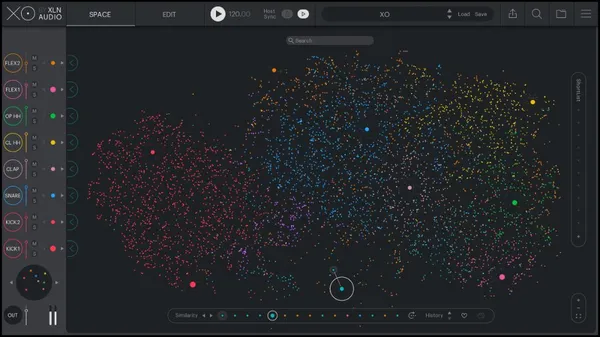
Best Drum Machine VSTs (2026): Vintage & Modern
Drumazon 2, Nepheton 2, Heartbeat, XO, Battery 4 and two more drum machine plugins compared: 808 and 909 emulations, sample kits and smart sequencers.
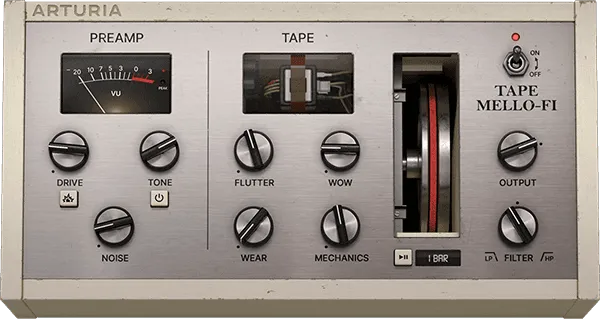
The 7 Best Lo-Fi Plugins For Vintage Vibes (2026)
Decimort 2, Bad Tape 2, Tape MELLO-FI, Super VHS, Vinyl Strip and two more lo-fi plugins compared on character, from sampler crunch to tape wobble.
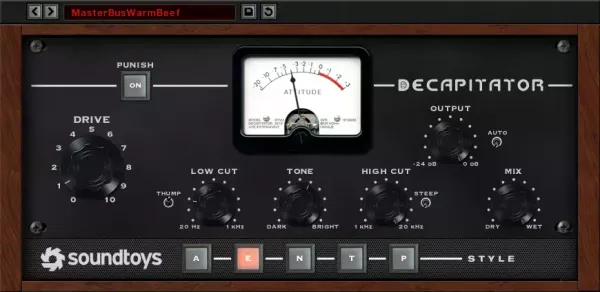
The 7 Best Saturation Plugins For Analog Warmth (2026)
Seven saturation plugins compared for composers, from Decapitator, Saturn 2 and Softube Tape to Radiator, Oxford Inflator and Type A, by job, tone and control.
Frequently Asked Questions
What makes a trailer hit sound expensive?
The tail more than the impact. Almost any low sample hit hard produces a usable impact, and what separates a professional hit is what happens for the two seconds afterward, which is usually a long reverb tail on a separate layer with its own filtering. Building the tail as its own element rather than as a send on the whole hit is the change that matters most.
How many layers should a hit have?
Three or four, each with one job. A sub layer for weight below 80Hz, a mid layer for the punch a small speaker will actually reproduce, a high metallic or noise layer for definition, and optionally a tail. Past four layers you are almost always adding energy in a region something else already owns, which makes the hit smaller rather than larger.
Why does my hit disappear on small speakers?
Because all its energy is below what those speakers reproduce. A laptop speaker rolls off steeply under a few hundred hertz, so a hit built entirely from sub weight simply is not there. The mid layer between roughly 200Hz and 1kHz is what carries the impact on small systems, and checking the hit on a phone before delivery catches this in seconds.
Should I use prebuilt impacts or layer my own?
Layer your own, at least until you know what you want from a hit. A prebuilt impact is somebody else's balance of the same three or four layers, and it is recognisable to every other composer who licensed the same library, which on a competitive trailer reel is a real problem. Recorded percussion layered by hand produces a hit that belongs to that cue alone.
More Guides
All Guides →Why Your Percussion Sounds Small Next to a Commercial Cue
Before you reach for the mix, check the library. Velocity layers, microphone positions and arrangement decide how large percussion sounds, and no plugin repairs them.
Advanced Saturation and Distortion in Mixing
A technical breakdown of harmonic generation, comparing tube, tape, and solid-state topologies with actionable routing strategies for modern production.
Mastering Cinematic Percussion: Programming Massive Rhythmic Beds
Techniques for layering Taikos, sub-booms, and ticking clocks to create modern trailer and film percussion tracks without destructive clipping.
New reviews, no noise
Occasional email when we publish something worth your time. No daily digest, no vendor press releases.
We store only your address, never sell it, and delete it as soon as you unsubscribe. See our privacy policy.

Tobias Reed
Tobias is a classically trained percussionist who transitioned into trailer music composition. He has an encyclopedic knowledge of world rhythm instruments and has recorded samples for several boutique libraries. He judges VSTs by their dynamic layers and round-robin authenticity.