
Do This Now
- 1 Velocity layers beat velocity automation. If soft and hard are the same recording at different volumes, the part steps instead of breathing.
- 2 Fourteen velocity layers and three are audibly different instruments. Check the number before you check anything in the mix.
- 3 Distance belongs in the recording. A far microphone keeps the transient and places the drum, where a reverb send blurs the attack that read as size.
- 4 Three or four elements, spread apart, beats twelve stacked. Space between hits is what makes the hits sound large.
- 5 If the library is thin, write around it rather than processing around it. Fewer repeated notes and wider spacing cost nothing and work immediately.
Playing connects you to YouTube, which may set cookies.
There is a stage most composers skip when a percussion part refuses to sound large, and it is the first one. Before opening a plugin, look at what the library actually recorded, because two specifications and one arrangement habit decide most of the outcome, and none of them can be added afterwards.
Start With The Velocity Layers
A soft roll and a full hit on a real drum are different sounds, not the same sound at different levels. A head struck lightly produces more fundamental and less high-frequency content, and the ear identifies that difference immediately.
This is the specification that separates libraries at the same price, and it is published on most product pages, which makes it a purchase decision rather than a mix problem.
A library with three velocity layers has three recordings to interpolate between, so a crescendo steps rather than swells. One with fourteen has the intermediate dynamics actually recorded, which is why deeply sampled toms sound played and shallow ones sound triggered.
Where a library is thin here, write around it rather than automating through it. Use the dynamic range that exists and let the arrangement carry the build.
Round robins matter at least as much and are covered properly in why your ostinatos sound like a machine gun, which goes into reset behaviour and library alternation in more detail than this page has room for. Count them before buying.
Playing connects you to YouTube, which may set cookies.
Distance Belongs In The Recording
The most common substitution is trying to create scale with reverb. A hit sent to a large hall gets a tail, and it also gets its attack smeared by early reflections, which is the opposite of what makes a drum sound big.
What a listener reads as scale is a fast, intact transient arriving from somewhere far away. A distant microphone captures exactly that. A reverb send cannot recreate it, because the thing being blurred is the thing doing the work.
If your library carries multiple microphone positions, this is the control to reach for first. Push a hit back by favouring the tree or the room pair while keeping the close microphone in at low level so the attack survives. If it carries only one position, a short convolution impulse of a real space mixed low will get closer than a long algorithmic hall.
Fewer Elements, Further Apart
Large percussion is sparse. A cue that sounds enormous is usually three or four elements with real space between them, and one that sounds cluttered is usually eight or nine competing for the same moment.
The practical version is to write the part with half the elements you think it needs, then add only what is missing. Space between hits is what makes the hits sound large, because nothing else is in the way to compare them against.
This one is free and it works on any library, which is why it is worth trying before spending money.
Only Then, The Mix
Once the library is right and the part is sparse, frequency management is what remains, and it is genuinely the smaller half of the problem. Assigning the sub band to one drum, high-passing everything else and using pre-delay rather than volume to push drums back is covered properly in mastering cinematic percussion.
Doing that work on a library with four velocity layers and one microphone position will still produce a part that sounds programmed, which is the whole argument for checking the specifications first.
The libraries that score well on all three specifications are in the cinematic percussion roundup.
Related Articles
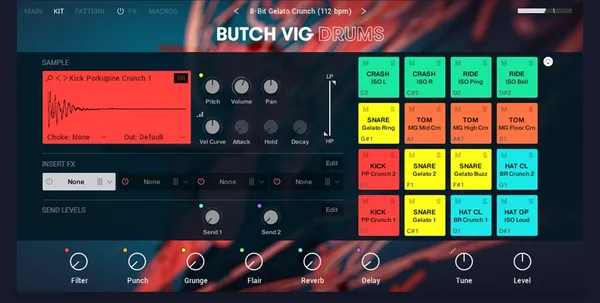
Best Drum Libraries Under $70 (2026): Cheap Beats
Butch Vig Drums, 40's Very Own Drums, BigKick, UJAM Virtual Drummer and two more drum VSTs under $70, compared on mix readiness, articulations and value.
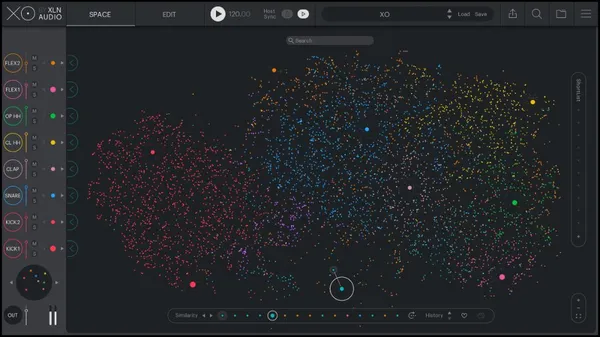
Best Drum Machine VSTs (2026): Vintage & Modern
Drumazon 2, Nepheton 2, Heartbeat, XO, Battery 4 and two more drum machine plugins compared: 808 and 909 emulations, sample kits and smart sequencers.
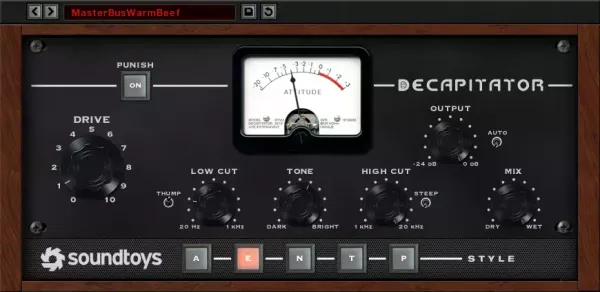
The 7 Best Saturation Plugins For Analog Warmth (2026)
Seven saturation plugins compared for composers, from Decapitator, Saturn 2 and Softube Tape to Radiator, Oxford Inflator and Type A, by job, tone and control.
Frequently Asked Questions
Why does my percussion sound small even with a lot of reverb?
Because reverb is usually the cause rather than the cure. A send blurs the attack of a hit, and the attack is what a listener reads as size and force. Distance captured by a far microphone keeps the transient intact while placing the drum in a space, which is why libraries with several microphone positions produce large-sounding percussion more easily than a dry library with a hall on it.
How many round robins do I need?
Enough that a repeated note does not land on the same sample within a bar, which in practice means at least four for a moderate pattern and eight or more for fast ostinatos. It is worth checking before buying, because no amount of humanising, velocity variation or timing offset conceals the same recording playing twice in a row.
Do I need an expensive percussion library to sound professional?
No, and the specifications that matter are cheaper than the flagship names suggest. Deep velocity layering, generous round robins and more than one microphone position are what produce a convincing part, and several libraries under a hundred euros offer all three. What money buys above that is breadth of instrument, not a better tom.
Can I fix a thin percussion library in the mix?
You can improve it and you cannot repair it. Saturation adds harmonics that help a thin sample cut through, and transient shaping recovers some attack, but neither creates variation that was never recorded. The machine gun effect in particular is immune to processing, because every copy of an identical sample is processed identically.
More Guides
All Guides →How to Layer Percussion Into a Trailer Hit That Lands
A trailer hit is three parts, not one sample. How to build the impact, the weight and the tail so the whole thing arrives on the frame it was written for.
Advanced Saturation and Distortion in Mixing
A technical breakdown of harmonic generation, comparing tube, tape, and solid-state topologies with actionable routing strategies for modern production.
Mastering Cinematic Percussion: Programming Massive Rhythmic Beds
Techniques for layering Taikos, sub-booms, and ticking clocks to create modern trailer and film percussion tracks without destructive clipping.
New reviews, no noise
Occasional email when we publish something worth your time. No daily digest, no vendor press releases.
We store only your address, never sell it, and delete it as soon as you unsubscribe. See our privacy policy.

Tobias Reed
Tobias is a classically trained percussionist who transitioned into trailer music composition. He has an encyclopedic knowledge of world rhythm instruments and has recorded samples for several boutique libraries. He judges VSTs by their dynamic layers and round-robin authenticity.