
Black Friday 2026260 deals tracked, up to 97% off See the deals →

3 Best Mallet Libraries for Scoring (2026)

Tuned percussion is the section composers buy last and reach for constantly. A glockenspiel doubling a melody two octaves up costs nothing to write and changes a cue, which is why the wrong mallet library gets noticed every session.

Tobias Reed
By Tobias Reed Percussionist & Composer

ModWheel is reader-supported. When you buy through links on this page we may earn an affiliate commission, at no extra cost to you. This never influences which products we recommend, read our testing methodology.

Prices come from the store's own feed and were last checked 23 November 2026. We don't issue discount codes — the price you see is the store's own.

Pick one in 10 seconds

Short version

Compare all 3

Vital Series: Mallets
1. Vital Series: Mallets Best Overall Tuned Percussion Vir2 Instruments
7.8
Instruments
Eight tuned percussion
Approach
Playable library
Engine
Kontakt
ASPIRE: Modern Mallets
2. ASPIRE: Modern Mallets Mallet Textures Heavyocity
7.6
Instruments
Marimba and vibraphone
Approach
Engine-driven textures
Engine
Kontakt
$49 $119 View price
Artist Series - Randy's Celeste
3. Artist Series - Randy's Celeste Magical Celeste Cinesamples
6.6
Instruments
Celeste
Approach
Hybrid sampled and synth
Engine
Kontakt

Mallet libraries divide into two shapes. One gives you a shelf of instruments to play conventionally, the other feeds them into an engine that builds pulses and textures for you, and they suit different work. The recording matters more than in most categories, because a struck bar has a short, exposed attack with nowhere to hide. Reports in this category are unusually focused on whether the transient sounds like wood and metal or like a sample. These scores are synthesised from composer reports on VI-Control and Gearspace rather than from sessions in our studio, and every card names the threads behind it. We may earn a commission on links, which never decides the order or the verdicts.

Top Picks

01 Vir2 Instruments Best Overall

Vital Series: Mallets

7.8 / 10 Community score

Best for Tuned Percussion

Scored from 7 user reports, not tested by us

How this score was reached

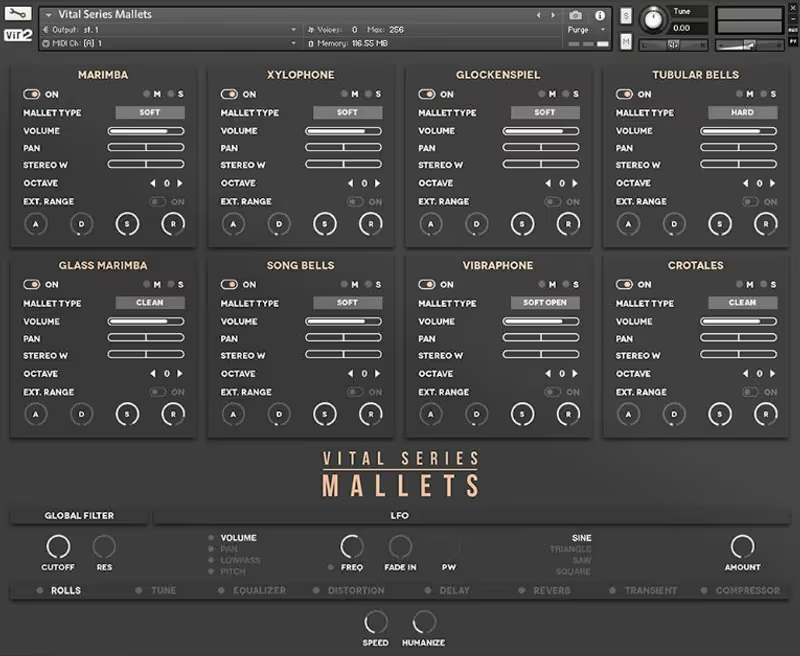
What users agree on. Chosen for putting eight tuned percussion instruments in a single patch with no submenus, alongside a range of mallet types and a rolls creator, which makes layering combinations quick.

The recurring complaint. Several composers call it a fairly basic library, report having seen similar or better at a quarter of the price, and rate it less subtle than Ricotti or SonicCouture alternatives.

Synthesised from 7 user reports (VI-Control threads on tuned percussion and mallet library choice). Nobody here ran this product.

The most complete tuned percussion coverage here, and not the most refined recording.
How it scored

  • Recording quality 8.0

    Described as quite good, and outclassed by pricier rivals.

  • Range of instruments Best in list 9.0

    Eight instruments in a single patch is the standout.

  • Fits a real cue 8.0

    Layering combinations in one patch speeds real work.

  • Value for money Lowest in list 6.0

    Reports say comparable quality exists for much less.

Why we picked it

Composers who want every common tuned percussion instrument available in one place and will layer them constantly.

Who should skip it

You want the most refined marimba or vibraphone recording, where reports point at Ricotti and SonicCouture.

The good

  • Eight instruments, one patch
  • Seven mallet types included
  • Intuitive rolls creator
  • Fast layering combinations

The bad

  • Called a basic library
  • Cheaper equivalents exist
  • Less subtle than rivals
  • Priciest per instrument here
Engine
Kontakt
Instruments
Eight tuned percussion
Approach
Playable library
Why it scored that way · 1 min read Eight instruments in one window with seven mallet types across them. Breadth is the whole argument.

Eight instruments in one window with seven mallet types across them. Breadth is the whole argument.

The reason composers name this one in mallet threads is coverage. Marimba, xylophone, glockenspiel, tubular bells, glass marimba, song bells, vibraphone and crotales all sit in a single patch with no submenus, which means mixing song bells with glockenspiel or vibraphone with crotales is a matter of loading one instrument rather than three. The mallet types run from soft through hard and include rods and bowing.

The criticism is about refinement rather than scope. Composers describe it as a fairly basic library and report having seen similar or better recordings at a quarter of the price, with the specific comparison being that it is less subtle than Ricotti or SonicCouture material. One of the sound design patches, the glass marimba, is singled out as genuinely useful.

That leaves a clear buying position. If you want one purchase that covers the whole tuned percussion shelf and expect to layer instruments regularly, this is the entry that does it, and the rolls creator is a real time saver. If you want the best possible marimba on its own, these threads point elsewhere and you should follow them.
List price now · lowest recorded $149.96Low on 23 Oct · 58 checks since 23 Aug Check price $199

ASPIRE: Modern Mallets

7.6 / 10 Community score

Best for Mallet Textures

Scored from 6 user reports, not tested by us

How this score was reached

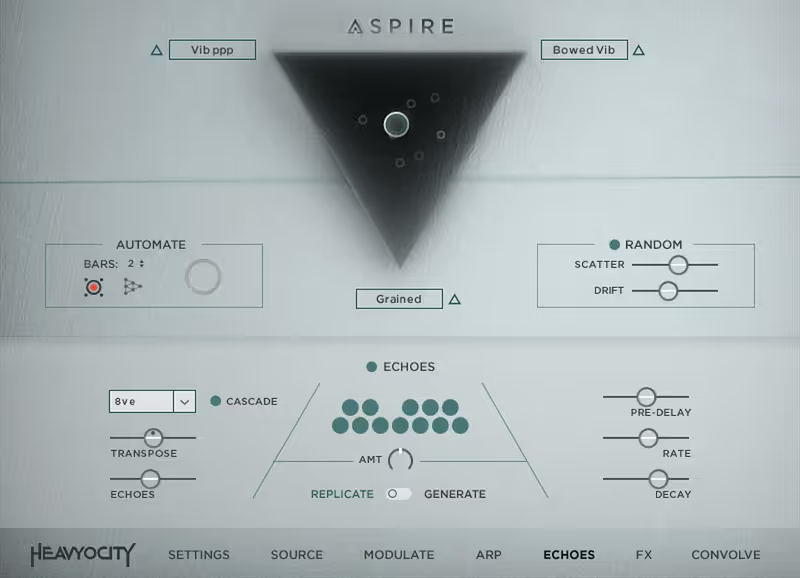
What users agree on. Adding marimba and vibraphone to the ASCEND engine produces a cinematic scoring instrument, with composers praising the granular pads, the arpeggios and a general character several describe as peaceful and lovely.

The recurring complaint. It is positioned in these threads against Mallet Flux rather than against playable mallet libraries, which is the limitation: the engine is the product, so it generates texture and does not give you a conventional marimba to play.

Synthesised from 6 user reports (VI-Control threads from the ASPIRE release). Nobody here ran this product.

An excellent underscore texture instrument, and the wrong purchase if you need to play a mallet line.

How it scored

  • Recording quality Best in list 8.5

    Heavyocity source material is consistently well regarded.

  • Range of instruments 6.5

    Marimba and vibraphone rather than a full shelf.

  • Fits a real cue 8.0

    Strong for underscore, limited for written lines.

  • Value for money 7.5

    Priced against engines rather than against libraries.

Why we picked it

Composers writing modern underscore who want mallet-derived pulses and pads rather than conventional tuned percussion.

Who should skip it

You need a marimba you can write parts for, which reports agree is not what this is.

The good

  • Strong granular pads
  • Arpeggios usable immediately
  • Well recorded source material
  • Distinctive scoring character

The bad

  • Two instruments only
  • Engine rather than library
  • Not for written mallet parts
  • Overlaps other texture tools
Engine
Kontakt
Instruments
Marimba and vibraphone
Approach
Engine-driven textures
Why it scored that way · 1 min read Mallets as raw material for an engine rather than instruments to play. Beautiful, and not what a score calls for when it asks for marimba.

Mallets as raw material for an engine rather than instruments to play. Beautiful, and not what a score calls for when it asks for marimba.

Composers reacting to ASPIRE are consistently warm about it, and the warmth is about character rather than about specification. Adding marimba and vibraphone to Heavyocity's ASCEND engine produces what one describes as instant cues of a particular cinematic kind, alongside granular pads and bouncing arpeggios, and the recurring description is that it is a beautiful and peaceful sounding library.

The framing in these threads tells you what it competes with. It appears repeatedly as a Mallet Flux competitor rather than as an alternative to playable mallet collections, and that is the honest boundary. The engine generates the material, which is why it produces results quickly and why it will not hand you a conventional marimba part.

Buy it as a second mallet purchase or as a texture instrument that happens to be built from tuned percussion. As a first and only mallet library it leaves an obvious hole, because a cue that asks for glockenspiel doubling a melody needs an instrument rather than an engine, and no amount of granular pad covers that.

Lowest price we've recordedSince 5 Nov · 58 checks since 23 Aug Check price $49 (was $119)
03 Cinesamples

Artist Series - Randy's Celeste

6.6 / 10 Community score

Best for Magical Celeste

Scored from 6 user reports, not tested by us

How this score was reached

What users agree on. Built by combining a DX-7 patch with a sampled celeste, and praised for landing the specific magical bell character composers associate with that instrument in film scores.

The recurring complaint. Several composers find it too smooth and washy, missing the hard percussive thud that traditionally sampled instruments have, and suggest that orchestrating a harp or a marimba an octave lower played softly reaches the same place.

Synthesised from 6 user reports (VI-Control celeste threads spanning several years). Nobody here ran this product.

Buy it if that particular magical celeste colour recurs in your writing, and orchestrate around it if not.

How it scored

  • Recording quality 8.0

    The hybrid construction is deliberate, not a shortcut.

  • Range of instruments Lowest in list 4.0

    One instrument, by design.

  • Fits a real cue Lowest in list 7.0

    Fills a mix easily, and can read as washy.

  • Value for money 7.5

    Inexpensive, and it is a single colour.

Why we picked it

Composers whose writing regularly calls for the signature bell-like celeste sound and who want it without programming.

Who should skip it

You want a percussive, traditionally sampled celeste, where reports say the smoothness will bother you.

The good

  • Nails a very recognisable colour
  • Fills a mix without effort
  • Cheap for what it does
  • No programming required

The bad

  • Single instrument
  • Described as smooth and washy
  • Lacks percussive attack
  • Substitutable by orchestration
Engine
Kontakt
Instruments
Celeste
Approach
Hybrid sampled and synth
Why it scored that way · 1 min read One instrument, one very specific sound, and it is the sound you were thinking of. Whether you need to buy it is the real question.

One instrument, one very specific sound, and it is the sound you were thinking of. Whether you need to buy it is the real question.

Threads about celeste keep returning to this one, and the reason is a design decision rather than a recording. It was built by combining a DX-7 patch with a sampled celeste specifically to capture a particular magical character associated with a very famous film cue, and composers agree it lands that target and the Tchaikovsky-adjacent colour alongside it.

The dissent is about the same decision seen from the other side. Composers report it as too smooth or washy, missing the hard percussive thud that a straight sampled instrument delivers, which matters if the celeste has to articulate rhythmically rather than shimmer. It fills a mix easily and that is not always what you want.

The most useful comment in these threads is the alternative offered. For the same effect, composers suggest orchestrating a harp or a marimba an octave lower and played softly, which costs nothing and is often close enough. Buy this if that specific colour recurs in your work often enough to justify a dedicated instrument, and reach for the orchestration if it does not.

List price now · lowest recorded $64Low on 23 Aug · 58 checks since 23 Aug Check price $99

What didn’t make the list

2 cut
  • Ricotti Mallets Spitfire Audio

    Named repeatedly in these threads for a good breadth of instruments with strong articulations and a usefully dry sound. It runs in Spitfire's own player rather than Kontakt, so it sits outside this list.

  • Mallet Flux Native Instruments

    The direct comparison composers reach for against ASPIRE. It is less about instruments grouped together and more about blending them into arps and pulsing soundscapes, which makes it the alternative to audition if that is the job.

How to choose a mallet library

The first question is whether you want instruments or an engine, and the two are not interchangeable.

An engine produces pulsing, arpeggiated texture from whatever you hold down, which is excellent for underscore and useless when a cue asks for a glockenspiel doubling the melody. A playable library does the opposite. Buying the wrong shape is the most common mistake in this category, because both are marketed with the word mallets and their demos sound equally attractive.

The second question is coverage, and it is worth being literal about it. Check the instrument list rather than the picture: celeste is usually absent from mallet collections despite sitting in the same place in a score, tubular bells and crotales come and go, and several libraries cover less than the category name suggests.

The third is mallet types. A soft mallet on marimba and a hard mallet on the same bar are effectively different instruments, and a library offering the range from soft through hard plus rods and bowing gives you tonal control that no EQ move reproduces. It is the clearest single marker of a thorough library.

Read more →

Methodology

Who is this for

Working composers and producers who need reliability, speed, and character for professional scoring tasks.

Our testing process

Where we have tested a product, we do it in actual production scenarios, ranging from rapid sketches to commercial pitches, and we evaluate it in a dense template rather than in isolation. Where we have not, the product card says so and the assessment is drawn from specifications and documented behaviour instead.

Why you should trust us

We buy most reviewed plugins ourselves. Occasionally we receive NFRs for evaluation, but this never guarantees a review or positive verdict. We may earn commissions from links, but our editorial choices are never for sale.

Also considered

For every category, we audition the top 8 to 15 standard options, discarding any that suffer from poor scripting, slow load times, or uninspiring sampling.

Frequently Asked Questions

What instruments should a mallet library include?

At minimum marimba, xylophone, glockenspiel and vibraphone, because those four cover most orchestral writing. Tubular bells and crotales are the common additions and celeste is usually sold separately, which surprises people. Check the list before buying rather than assuming, since several libraries in this category cover fewer instruments than their marketing implies.

Do I need a separate celeste library?

Usually yes, because celeste is rarely included in mallet collections despite sitting in the same part of the orchestra. It is a keyboard instrument striking metal bars rather than something played with mallets, which is the technical reason for the split. If your writing leans on that specific bell-like colour it is worth its own purchase.

What is the difference between a mallet library and a mallet engine?

A library gives you instruments to play, an engine takes those instruments and generates arpeggios, pulses and textures from what you hold down. Engines produce results faster and shape what you write, which is useful for underscore and limiting for conventional orchestration. Several products do both, and which side they lean towards decides who should buy them.

How important is the mallet type?

More than most people expect, because a soft mallet on a marimba and a hard mallet on the same bar are close to different instruments. Libraries offering a range from soft through hard, plus rods and bowed options, give you tonal control that no amount of EQ reproduces. It is one of the clearest differences between a thorough library and a basic one.

How were these scores worked out if you did not test the libraries?

They are synthesised from threads on VI-Control and Gearspace, read for four recurring questions, and every product card lists the threads and the number of separate discussions behind its score. The card also states plainly that nobody here ran the product. It is a different kind of evidence from a studio test and it is labelled as one.

Written By

Tobias Reed

Tobias is a classically trained percussionist who transitioned into trailer music composition. He has an encyclopedic knowledge of world rhythm instruments and has recorded samples for several boutique libraries. He judges VSTs by their dynamic layers and round-robin authenticity.

Related Guides

All Guides →

New reviews, no noise

Occasional email when we publish something worth your time. No daily digest, no vendor press releases.

We store only your address, never sell it, and delete it as soon as you unsubscribe. See our privacy policy.