
7 Best Phaser Plugins for Analog Texture

When a mix feels completely sterile and rigid, a good phaser injects breathing life and metallic dust.

Louis Raveton
By Louis Raveton

What changed: Every pick now carries a verdict line and scores for texture, modulation depth, workflow and CPU, and there is a decision router at the top.

Louis works across immersive scores (Venice Biennale, LVMH) and animation (Canal+), while producing Downtempo and Electro-Dub as Monsieur Shwill and Flagada. He treats his sample drive like a record collection, constantly hunting for the perfect 'imperfect' texture

Finding the best phaser plugins for electronic music production usually involves filtering out the toys. Many developers simply slap an LFO on an all-pass filter and call it a day. The reality is that cheap phasers sound thin and subtractive. Finding the best analog-style phasers for sound design requires listening to the resonant peaks and how they handle high-frequency saturation.

I have auditioned countless modulation pedals and software emulations over the years. Some add a beautiful, rusty texture that smears the top end in the best way possible. Others just create a cold, metallic sweep that quickly becomes annoying. Let us look at the tools that actually survive a dense mix without turning your carefully crafted synth patches into hollow plastic.

ModWheel is reader-supported. When you buy through links on this page we may earn an affiliate commission, at no extra cost to you. This never influences which products we recommend, read our testing methodology.

Pick one in 10 seconds

Short version

Compare all 7

MPhaserMB
1. MPhaserMB MeldaProduction
6.4
Authorization
Serial
Authorization
Serial Key
$13 $25 View price
Fix Phaser 8.1
Authorization
iLok Cloud
Authorization
iLok
Authorization
Arturia Software Center
$29 $49 View price
Phaser 7.8
Authorization
Serial Key
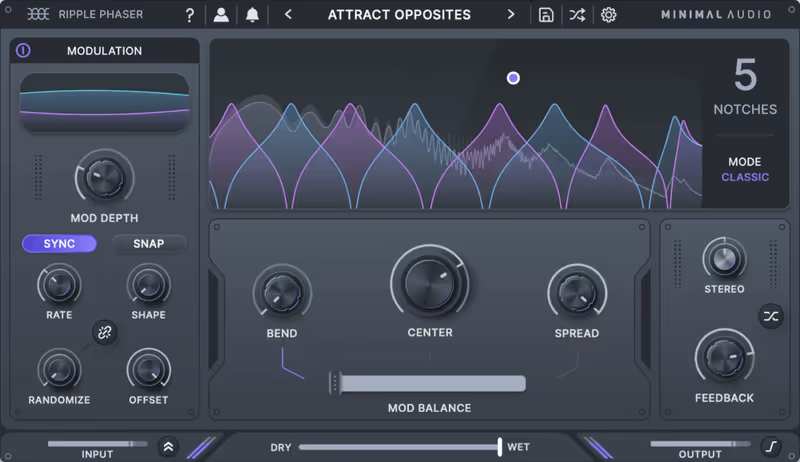
Ripple Phaser
7. Ripple Phaser Minimal Audio
7.4
Authorization
Serial Key
Read more →

Methodology

Who is this for

Working composers and producers who need reliability, speed, and character for professional scoring tasks.

Our testing process

Where we have tested a product, we do it in actual production scenarios, ranging from rapid sketches to commercial pitches, and we evaluate it in a dense template rather than in isolation. Where we have not, the product card says so and the assessment is drawn from specifications and documented behaviour instead.

Why you should trust us

We buy most reviewed plugins ourselves. Occasionally we receive NFRs for evaluation, but this never guarantees a review or positive verdict. We may earn commissions from links, but our editorial choices are never for sale.

Also considered

For every category, we audition the top 8 to 15 standard options, discarding any that suffer from poor scripting, slow load times, or uninspiring sampling.

Top Picks

01 MeldaProduction

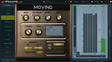
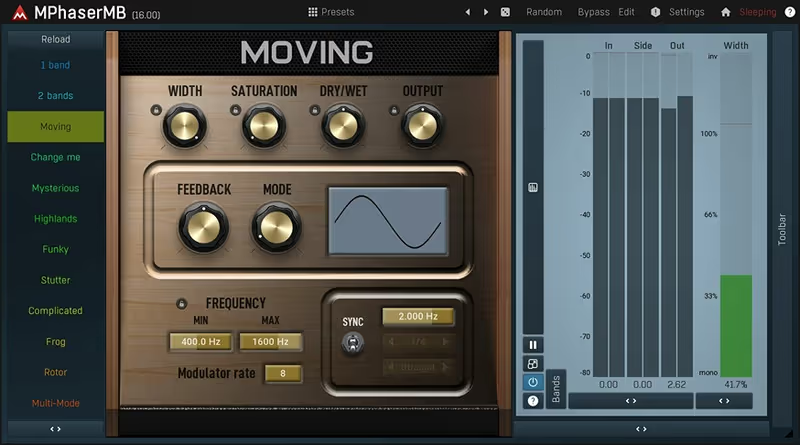
MPhaserMB

Best for Multiband Phasing

The only phaser here that can leave the low end alone, sold behind the worst interface on the page.

Tested score
6.4
out of 10

How it scored

  • Texture Character 6.0

    Technically excellent and short on the analog warmth the rest of this page trades on.

  • Modulation Depth 9.6

    Multiband, custom LFO shapes, full modulation matrix. Best here.

  • Workflow Speed 3.0

    Melda density at its most punishing. Lowest on the page.

  • CPU Footprint 7.0

    Multiband processing costs, and it is the reason you loaded it.

Why we picked it

Best for complex sound design where you need to phase specific frequency bands.

Who should skip it

Avoid if you want a classic guitar pedal workflow and simple interface.

The good

  • Unmatched multiband control
  • Customizable LFO shapes
  • Deep modulation matrix

The bad

  • Intimidating user interface
  • Steep learning curve
  • Lacks instant analog warmth
Format
VST/AU/AAX
Authorization
Serial
Price
$43
Why it scored that way

It looks terrifying but offers a level of multiband control that traditional pedals simply cannot match.

I rarely want to phase an entire drum bus because it usually destroys the low-end punch and impact. This plugin solves that problem completely. I used this on a deadline last week when the client wanted a psychedelic drum break. I isolated the phasing effect exclusively to the hi-hat and snare frequencies. It added a swirling, dusty texture to the top end while keeping the kick drum completely solid and anchored.

When writing a detailed review of this tool, you have to mention the brutal interface design. It is definitely one of the best phaser plugins for technical sound design, provided you survive the learning curve. You can morph the LFO shapes until the signal sounds like broken machinery. This is not for musicians who want instant vintage warmth, but it is unmatched for deep programming flexibility.
Heard on
Psychedelic drum breaks Complex synth soundscapes Experimental electronic music
Check price $43
02 Kuassa

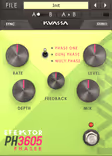
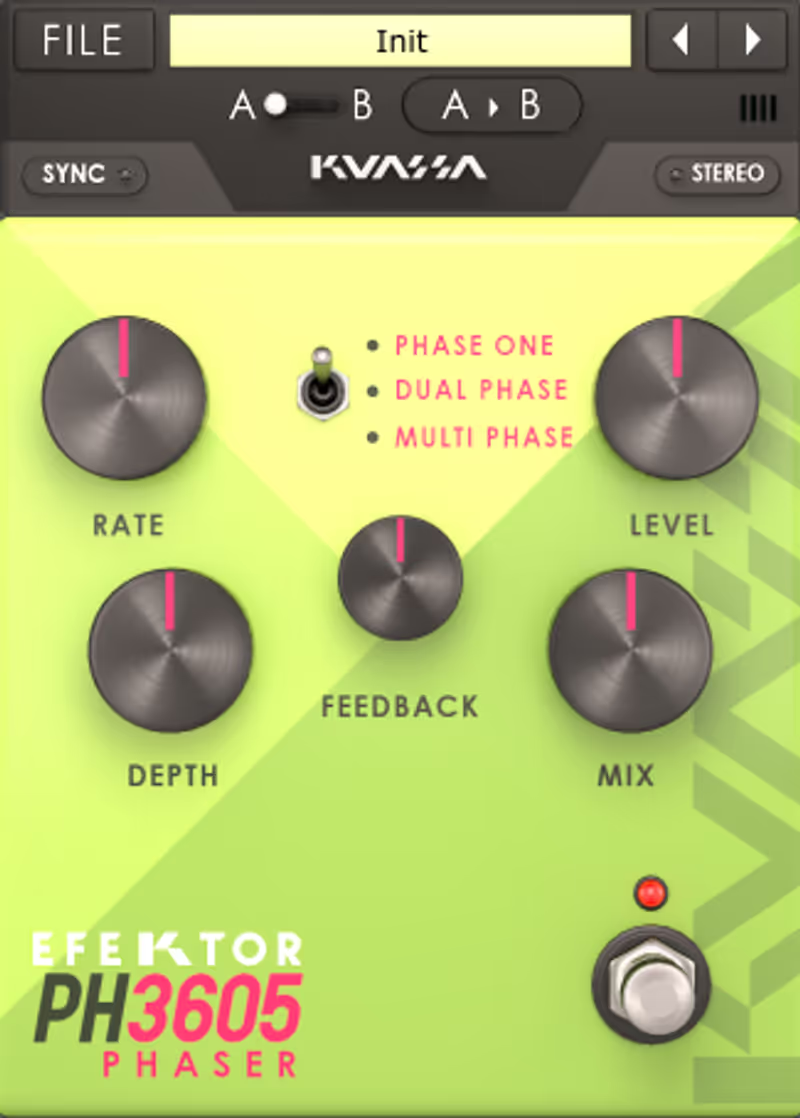
EFEKTOR PH3605 Phaser

Best for Vintage Vibe

One classic sound, delivered instantly, with nothing underneath it if you want more.

Tested score
7.9
out of 10

How it scored

  • Texture Character 8.5

    Uneven and gritty in the way the hardware was.

  • Modulation Depth 4.0

    Three phase types and a rate knob. That is the whole plugin.

  • Workflow Speed 9.5

    Two seconds from insert to usable, which is its entire argument.

  • CPU Footprint 9.5

    Negligible. You can leave it on every channel of a template.

Why we picked it

Best for adding immediate vintage vibe and grit to electric pianos or guitars.

Who should skip it

Avoid if you need deep modulation routing or pristine digital clarity.

The good

  • Instant analog character
  • Extremely easy to use
  • Very low CPU usage

The bad

  • Limited feature set
  • No multiband options
  • Only three phase types
Format
VST/AU/AAX
Authorization
Serial Key
Price
$13
Why it scored that way

A refreshingly simple pedal emulation that focuses entirely on classic analog character and immediate vibe.

Sometimes you just need a track to sound like it was recorded onto degrading tape through a dusty effects pedal. This plugin is brilliant for immediate gratification. I dropped this onto a completely sterile electric piano track that desperately needed some life. Within two seconds, it injected a swirling, rusty texture that felt instantly authentic. It does not reinvent the wheel, but it delivers that classic retro wobble with absolute conviction.

In a direct vs test against modern digital phasers, this emulation holds its ground by remaining musically imperfect. The sweep feels slightly uneven and gritty, which is exactly why it works so well in a dense mix. It lacks modern features like complex routing and tempo-synced envelopes. It is a one-trick pony, but it performs that specific retro trick better than most expensive alternatives.

Heard on
Classic funk guitars Retro electric pianos Lo-fi beatmaking
Check price $13 (was $25)
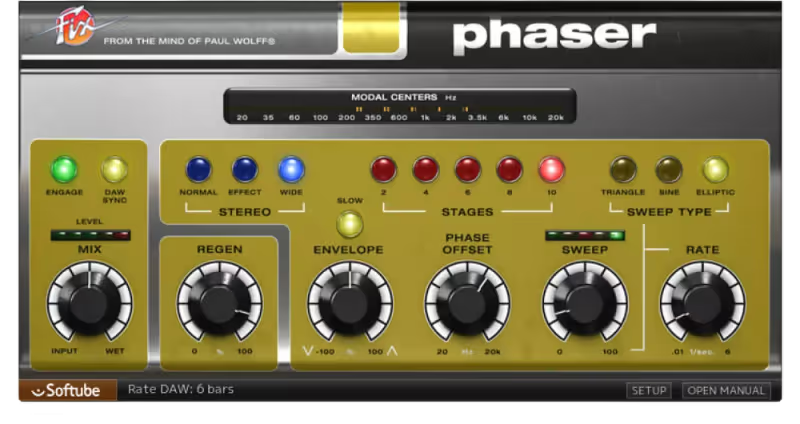
03 Softube

Fix Phaser

Best for Stereo Width

The best-sounding sweep here and the one that leaves the fundamental where you put it, which is why it costs more.

Tested score
8.1
out of 10

How it scored

  • Texture Character 9.2

    Thick and lush, and it never pierces at high resonance.

  • Modulation Depth 6.5

    Deliberately narrow. There is no route to weirdness.

  • Workflow Speed 9.0

    Uncluttered, with no menu diving anywhere.

  • CPU Footprint 7.5

    Reasonable, though iLok Cloud means the session needs a connection.

Why we picked it

Best for adding premium stereo width and lush modulation to synthesizers.

Who should skip it

Avoid if you only need a basic mono guitar pedal emulation.

The good

  • Incredible stereo widening
  • Very musical resonance
  • Premium sound quality

The bad

  • Higher price point
  • Requires iLok account
  • No extreme weirdness options
Format
VST/AU/AAX
Authorization
iLok Cloud
Price
$49
Why it scored that way

An incredibly lush sweep that adds massive three-dimensional space without sounding hopelessly synthetic.

Creating a wide stereo image with modulation often results in a hollow, phase-cancelled mess. This tool manages to push sounds out to the extreme edges of the speakers while keeping the core fundamental frequency intact. I leaned heavily on this plugin while mixing a synthwave project that felt claustrophobic. By applying a slow, sweeping modulation to the backing strings, the whole mix suddenly felt vast and deeply cinematic.

This is arguably the best phaser for adding premium, studio-grade width to dull synthesizer patches. The resonance control is highly musical and never pierces the eardrum like cheaper alternatives. It sounds thick and expensive, like polished chrome. The interface is wonderfully straightforward and devoid of unnecessary visual clutter. It costs more than budget pedals but absolutely justifies the price through sheer audio quality.

Heard on
Lush string pads Synthwave lead lines Cinematic soundscapes
Check price $49
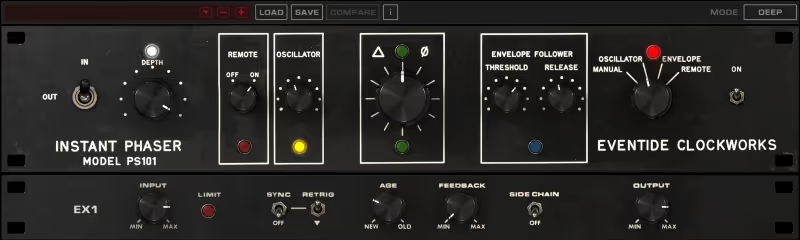
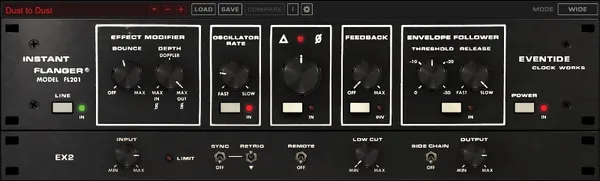
04 Eventide

Instant Phaser Mk II

Best for Authentic Vintage

The most historically accurate option here, noise and all, and unusable on anything that has to stay clean.

Tested score
7.7
out of 10

How it scored

  • Texture Character 9.4

    The Age control models component drift rather than filtering the output. Best here.

  • Modulation Depth 6.0

    Several modulation sources, none of them tempo-synced.

  • Workflow Speed 8.0

    Small control set modelled on the rack unit.

  • CPU Footprint 7.5

    Fine on a bus, and it is a bus effect.

Why we picked it

Best for producers seeking authentic 1970s psychedelic modulation and hardware modeling.

Who should skip it

Avoid if you require clean, modern, tempo-synced digital phasing.

The good

  • Perfect vintage authenticity
  • Unique age modeling knob
  • Multiple modulation sources

The bad

  • Inherently noisy circuit modeling
  • Lacks precise digital syncing
  • Can make mixes muddy
Format
VST/AU/AAX
Authorization
iLok
Price
$99
Why it scored that way

A meticulous port of the hardware that defined the sound of classic rock and early electronics.

If you want the exact swirling texture that dominated classic 1970s recordings, this is the definitive plugin. The developers modeled every single degrading electronic component of the original hardware rack. I used this on an acoustic drum overhead track and the result was instantly recognizable. It generated a smeary, tape-like wobble that felt wonderfully broken and nostalgic. The age knob is a fantastic feature that simulates dried out capacitors.

This is not a clean or modern sounding effect by any stretch of the imagination. When conducting a review of vintage emulations, you quickly realize how much noise and dirt the original circuits introduced. This plugin embraces that filth completely. It is not versatile enough for modern pop production, but it is unmatched for injecting legitimate historical character into a digital recording.

Heard on
Psychedelic rock drums Classic tape phasing Retro guitar solos
Check price $99
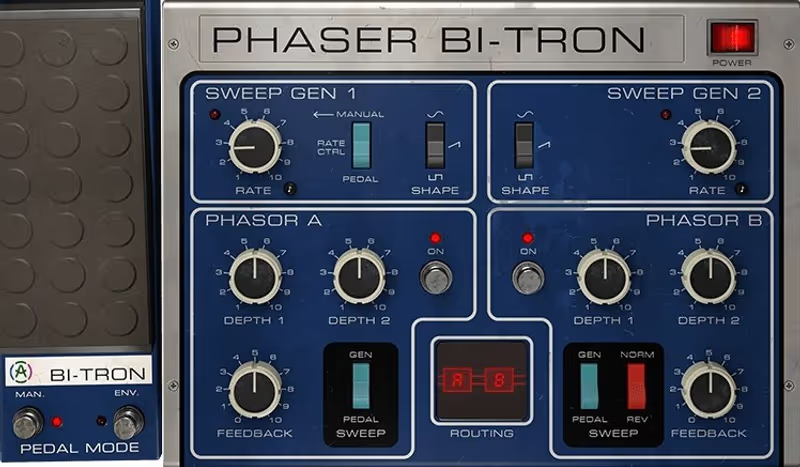
05 Arturia

Phaser BI-TRON

Best for Dual Modulation

Two engines fighting each other, which is the most interesting thing on the page and the hardest to control.

Tested score
7.0
out of 10

How it scored

  • Texture Character 8.0

    Thick and syrupy, and it screams when the feedback is pushed.

  • Modulation Depth 9.0

    Dual engines in series, parallel or split across the stereo field.

  • Workflow Speed 6.0

    The window takes over the screen and the routing takes a while to hear.

  • CPU Footprint 5.0

    Two engines running at once, priced accordingly. Lowest here.

Why we picked it

Best for complex, intertwining stereo modulation and aggressive electronic sound design.

Who should skip it

Avoid if you just need a quick, simple splash of movement on a backing vocal.

The good

  • Dual independent engines
  • Flexible internal routing
  • Great preset library

The bad

  • Massive user interface
  • Can quickly become chaotic
  • High CPU load
Format
VST/AU/AAX
Authorization
Arturia Software Center
Price
$29
Why it scored that way

Two independent phasing engines that can be routed together for complex, intertwining textures.

Routing two different LFO sweeps into each other creates a chaotic movement that single phasers cannot replicate. I spent hours getting lost in this plugin while trying to breathe life into a completely boring drone patch. By setting one engine to a slow sweep and the second to a rapid flutter, the sound transformed into a living, alien environment. The feedback loops can scream if you push them too hard.

This plugin is an absolutely fantastic alternative to standard single-stage modulators. You can run the two engines in series, parallel, or split them across the stereo field. It creates a thick, syrupy texture that cuts through dense arrangements perfectly. It is undeniably one of the best phaser plugins for aggressive sound design, though the GUI takes up far too much screen real estate.

Heard on
Alien sound design Aggressive synth basses Wide stereo drones
Check price $29 (was $49)
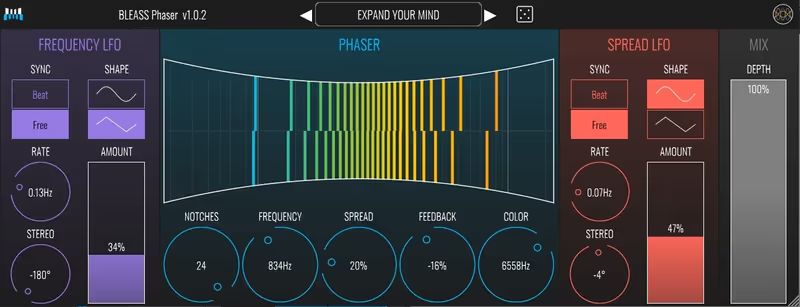
06 BLEASS

Phaser

Best for Modern Electronic

The cleanest and most controllable phaser here, and the one with no character to fall back on.

Tested score
7.8
out of 10

How it scored

  • Texture Character 5.5

    No analog flavour at all, which is the deliberate choice and still the lowest here.

  • Modulation Depth 7.5

    Step sequencer and tight tempo sync rather than deep routing.

  • Workflow Speed 9.2

    Readable at a glance and quick to lock to a pattern.

  • CPU Footprint 9.0

    Lightweight enough to leave on several channels.

Why we picked it

Best for modern pop and electronic music where precise, tempo-synced modulation is required.

Who should skip it

Avoid if you are desperately chasing the warm, imperfect sound of analog hardware.

The good

  • Very clean digital sound
  • Excellent visual feedback
  • Built-in step sequencer

The bad

  • Zero analog flavor
  • Can sound very sterile
  • UI colors are polarizing
Format
VST/AU/AAX
Authorization
Serial Key
Price
$19
Why it scored that way

A distinctly modern take on phase filtering that avoids vintage nostalgia entirely.

Sometimes I do not want the rusty, degrading sound of a 1970s hardware box. Sometimes I need absolute precision to match a strict rhythmic grid. I loaded this up on a modern synth-pop track where the modulation needed to lock perfectly with a sixteenth-note sequence. It performed flawlessly. The visual feedback is instantly readable, and the resulting sweep is incredibly clean, retaining all the sharp digital edges of the original sound.

This tool sits exactly opposite the vintage emulations in the market. In a modern vs vintage comparison, this plugin wins entirely on clarity and workflow. It features a sequencer section that lets you draw rhythmic modulation patterns, changing the phase sweeping into a percussive element. It is an incredibly sleek, lightweight plugin that belongs in every modern producer toolkit.

Heard on
Rhythmic synth-pop sequences Clean vocal modulation Precise EDM builds
Check price $19
07 Minimal Audio

Ripple Phaser

Best for Aggressive Design

Built to tear rather than to sweep, which makes it the wrong first phaser and the right one for a trailer bass.

Tested score
7.4
out of 10

How it scored

  • Texture Character 8.2

    Metallic and fractured. Too harsh for acoustic sources.

  • Modulation Depth 8.0

    Multiple sweeping stages and resonance into self-oscillation.

  • Workflow Speed 6.5

    Sleek, but the feature set is more than the job usually needs.

  • CPU Footprint 7.0

    Middling, with several stages running.

Why we picked it

Best for extreme bass music sound design and aggressive cinematic trailer effects.

Who should skip it

Avoid if you mix jazz, indie rock, or anything requiring subtle organic movement.

The good

  • Incredibly aggressive sound
  • Screaming filter resonance
  • Sleek, modern interface

The bad

  • Too harsh for acoustic music
  • Overwhelming feature set
  • Can destroy sub-bass frequencies
Format
VST/AU/AAX
Authorization
Serial Key
Price
$49
Why it scored that way

It takes the concept of a subtle modulation effect and weaponizes it for modern bass music.

This plugin was clearly not designed for gentle acoustic guitars or subtle electric pianos. It is a sheer powerhouse built for aggression. I threw this on a dull neuro-bass patch and it immediately tore the high frequencies apart. The multiple sweeping stages sound like tearing metal and fractured glass. It excels at adding extreme robotic movement to synth lines that need to dominate the center of the mix.

It represents the very best of modern, aggressive sound destruction tools. The filter resonance can be pushed into self-oscillation, creating screaming harmonic overtones. If you follow the user reviews, bass music producers absolutely love the workflow and visual layout. It is definitely too harsh for traditional organic instrumentation, but it is an absolute necessity for heavy electronic and cinematic trailer sound design.

Heard on
Neuro drum and bass Heavy dubstep synths Cinematic trailer transitions
Check price $49

Frequently Asked Questions

What is the difference between a phaser and a flanger?

A phaser uses all-pass filters to create a set number of notches spaced unevenly across the spectrum, while a flanger uses a short delay that produces evenly spaced harmonic notches. That spacing is why a flanger sounds metallic and jet-like and a phaser sounds like a sweep.

What do the stages on a phaser do?

Each pair of stages adds one notch, so a four-stage phaser has two notches and a twelve-stage has six. More stages means a thicker, more resonant sweep; fewer stages gives the subtler effect usually wanted on a mix element.

Should a phaser go before or after distortion?

Before, if you want the classic guitar sound, because the distortion then amplifies the moving notches. After distortion the phaser sweeps an already dense signal and the effect becomes much more obvious.

Does phasing cause problems in mono?

Stereo phasers can, since the two channels sweep out of step and summing them cancels part of the signal. Check any phased element in mono if the cue may be played back through a single speaker.

Written By

Louis Raveton

Louis works across immersive scores (Venice Biennale, LVMH) and animation (Canal+), while producing Downtempo and Electro-Dub as Monsieur Shwill and Flagada. He treats his sample drive like a record collection, constantly hunting for the perfect 'imperfect' texture

Related Guides

All Guides →

New reviews, no noise

Occasional email when we publish something worth your time. No daily digest, no vendor press releases.

We never sell your address. Unsubscribe any time, see our privacy policy.