
Black Friday 2026281 deals tracked, up to 97% off See the deals →

5 Best FM Synth VSTs for Complex Sound Design (2026)

If you are strictly relying on subtractive analog synthesizers, you are missing an entire universe of complex digital harmonics.

Ewan Clarke
By Ewan Clarke Synth Specialist & Sound Designer

ModWheel is reader-supported. When you buy through links on this page we may earn an affiliate commission, at no extra cost to you. This never influences which products we recommend, read our testing methodology.

Prices come from the store's own feed and were last checked 23 November 2026. We don't issue discount codes — the price you see is the store's own.

Pick one in 10 seconds

Short version

Compare all 5

opsix native
1. opsix native Altered FM Korg
8.9
Protection
Korg Software Pass
$99 $199 View price
DX7 V
2. DX7 V Vintage Digital Arturia
7.9
Protection
Arturia Software Center
FM8
3. FM8 Classic Digital Native Instruments
7.8
Protection
Native Access
$49 $99 View price
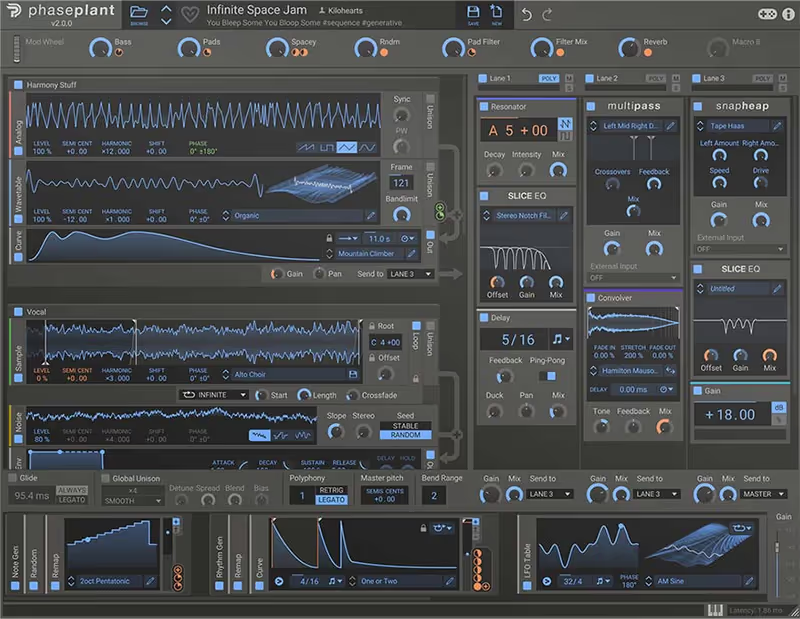
Phase Plant
4. Phase Plant Modular FM Kilohearts
7.5
Protection
Serial Key
$99 $199 View price
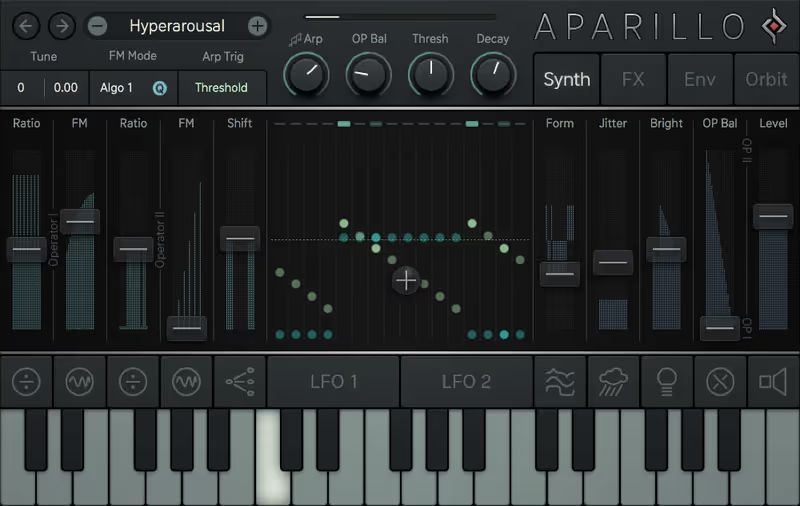
Aparillo
5. Aparillo Cinematic FM Sugar Bytes
7.2
Protection
Serial Key
$49 $99 View price

Finding the best FM synth VSTs is absolutely mandatory for producers who want to synthesize incredibly complex, evolving digital textures that analog gear simply cannot generate. Traditional subtractive synthesizers excel at providing massive, warm basslines, but they often completely fail at replicating the intricate, bell-like chimes and aggressive metallic growls of frequency modulation. The top digital synthesis tools allow you to mathematically manipulate multiple carrier and modulator waveforms simultaneously to create entirely new harmonic structures.

You need a dedicated FM workstation that handles incredibly complex modulation matrices intuitively so you can focus entirely on creative sound design. A fantastic digital synthesizer completely replaces the endless frustration of trying to blindly program an original 1980s hardware unit using a tiny LCD screen. The right plugin depends heavily on your specific workflow, such as preferring incredibly authentic retro emulations or massive, highly modern wavetable hybrid engines.

Top Picks

01 Korg

opsix native

8.9 / 10 Score

Best for Altered FM

The most approachable FM synth here by a distance, and the one that makes the format feel like an instrument rather than a puzzle.
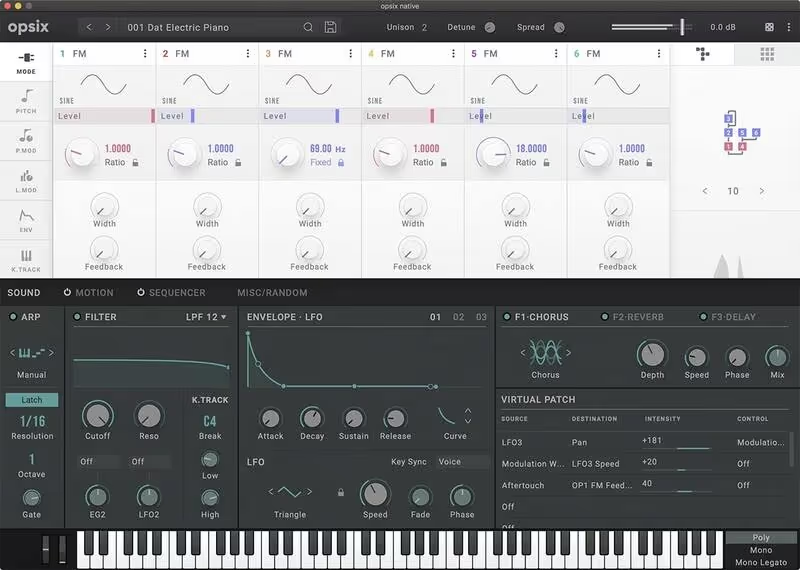
How it scored

  • FM Engine Depth 9.0

    Altered modes bring wave folding and ring modulation into the operator chain.

  • Sound Character 8.5

    Modern and punchy, with an analog filter after the operators.

  • Workflow Speed Best in list 8.8

    The operator mixer shows the whole patch as levels. Best on the page.

  • CPU Footprint Best in list 9.2

    The lightest thing here. Best on the page.

Why we picked it

Best for modernized altered FM because the specific operator mixer design perfectly delivers the massive, aggressive digital punch required for contemporary electronic music.

Who should skip it

Avoid if you demand incredibly deep, surgical control over every single physical micro-envelope characteristic of the virtual synthesis architecture.

The good

  • Incredibly punchy and highly accessible operator mixer
  • Fantastic integrated altered wave-folding modes
  • Extremely low computer CPU footprint

The bad

  • Lacks deep surgical academic micro-envelope parameter controls
  • Requires proprietary installation manager application
  • Visual interface feels slightly clinical
Format
VST/AU/AAX
Protection
Korg Software Pass
Why it scored that way · 1 min read This highly focused tool provides the absolute best, punchiest modern digital leads available for adding instant cutting edge vibe to any track.

This highly focused tool provides the absolute best, punchiest modern digital leads available for adding instant cutting edge vibe to any track.

Korg opsix native provides an incredibly streamlined interface that focuses entirely on an exceptionally broad, musical operator mixer section to dramatically simplify FM synthesis. The built-in altered FM modes are absolutely fantastic, allowing you to aggressively push operators into wave-folding and ring modulation to generate massive, thunderous digital collisions. I frequently use the integrated analog filter circuit on sterile synthesizer leads because it instantly imparts a beautifully rich, warm saturation character alongside the digital high frequencies.

The intentionally simplistic nature of the operator mixer means you have slightly less control over specific micro-envelopes compared to deeply academic modular systems. Even with this extreme lack of surgical envelope control, it remains an excellent choice for producers who want immediate, modern FM character without needing a mathematics degree. The incredibly low CPU footprint allows you to comfortably place an instance on every single track in a dense session.
Used by
Electronic Producers Indie Synthwave Artists Various Producers
Lowest price we've recordedSince 12 Nov · 58 checks since 23 Aug Check price $99 (was $199)

DX7 V

7.9 / 10 Score

Best for Vintage Digital

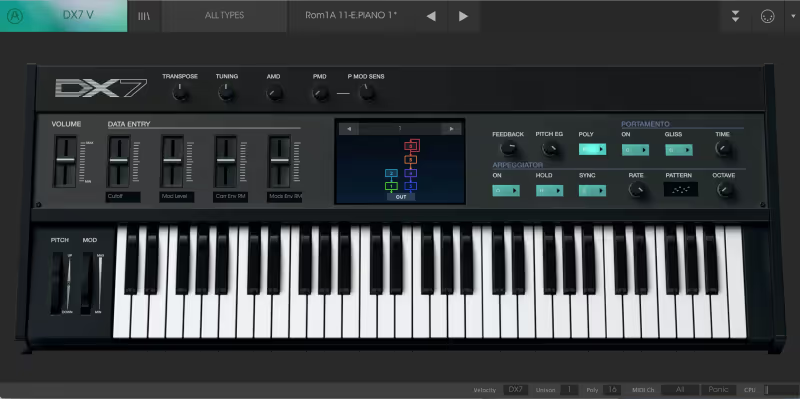
The 1980s machine with the programming pain reduced but not removed, which is as close as an emulation should get.

How it scored

  • FM Engine Depth 8.5

    The original algorithm set, plus a panel of modern additions.

  • Sound Character Best in list 9.4

    The specific metallic tone the decade was built on. Best here.

  • Workflow Speed 6.0

    Operator programming is still operator programming.

  • CPU Footprint 7.5

    Component modelling, and comfortable in normal use.

Why we picked it

Best for authentic 1980s retro pop because the component modeling perfectly delivers the massive, recognizable digital chimes required for the genre.

Who should skip it

Avoid if you strictly want a highly simple, one-knob analog subtractive synthesizer that instantly imparts warmth without any deep menu diving.

The good

  • Incredibly precise authentic hardware operator modeling
  • Fantastic proprietary advanced modulation panel feature
  • Excellent independent vintage DAC stereo routing capabilities

The bad

  • Highly intimidating interface for complete beginners
  • Can induce decision paralysis during fast tracking
  • Requires dedicated installation manager application
Format
VST/AU/AAX
Protection
Arturia Software Center
Why it scored that way · 1 min read This highly flexible processor remains the absolute best tool available for surgically tweaking the specific metallic characteristics of classic 1980s pop tracks.

This highly flexible processor remains the absolute best tool available for surgically tweaking the specific metallic characteristics of classic 1980s pop tracks.

Arturia DX7 V utilizes a highly refined component modeling architecture that allows you to independently adjust the specific algorithms and stereo width of the virtual operators perfectly. The proprietary advanced panel feature is absolutely fantastic, instantly allowing you to tightly control the chaotic high-frequency metallic ring that often ruins dense acoustic mixes via complex modulation envelopes. I heavily rely on this processor during synthwave sessions because the vintage DAC emulation instantly creates a massively wide, immersive retro space.

The sheer density of operator knobs and complex algorithmic routing options can easily intimidate beginners who just want a simple one-knob analog lead synth. Despite the steep initial learning curve, it is unquestionably the best surgical FM alternative for engineers who demand absolute tonal control over classic digital sounds. The incredibly transparent routing design ensures your audio remains completely free of unwanted artificial phase issues.

Used by
Synthwave Producers Various Pop Writers Sound Designers
Check price $149

FM8

7.8 / 10 Score

Best for Classic Digital

Still the most complete FM matrix in software, wrapped in an interface that has not moved since the last decade it was relevant in.

How it scored

  • FM Engine Depth 9.0

    A full modulation matrix with looping envelopes per operator.

  • Sound Character 8.8

    Harsh and metallic on purpose, which is why the growls still work.

  • Workflow Speed 5.5

    The matrix is powerful and slow, and the interface is dated.

  • CPU Footprint 8.0

    Efficient, being a design from an era that had to be.

Why we picked it

Best for classic 2000s electronic textures because the incredible advanced modulation matrix perfectly provides highly idiosyncratic metallic growls.

Who should skip it

Avoid if you strictly require highly standard, instantly recognizable analog subtractive interfaces for a completely traditional vintage mix.

The good

  • Incredibly powerful advanced operator modulation matrix
  • Fantastic integrated musical arpeggiator section
  • Excellent legacy preset library included

The bad

  • Highly unconventional obscure matrix routing workflow
  • User interface feels incredibly dated by modern standards
  • Can easily sound overly harsh and metallic on bright sources
Format
VST/AU/AAX
Protection
Native Access
Why it scored that way · 1 min read This multi-operator processor perfectly captures the highly complex, idiosyncratic metallic resonances of classic 2000s electronic music production.

This multi-operator processor perfectly captures the highly complex, idiosyncratic metallic resonances of classic 2000s electronic music production.

Native Instruments FM8 meticulously models the massive internal digital matrices and complex operator circuitry of the classic DX-style architecture but expands it with a massive modulation grid. The unique ability to simultaneously apply incredibly complex looping envelopes directly to the pitch of any operator is absolutely fantastic, instantly carving out aggressive dubstep growls while preserving the bright metallic high-end. I regularly place this directly on my digital bass bus because simply running audio through the virtual operators makes the entire mix sound beautifully aggressive.

The highly eccentric collection of obscure matrix parameters can be incredibly confusing for producers who simply want a standard analog subtractive workflow. Regardless of the unconventional workflow, it is the absolute best legacy alternative for producers needing undeniably massive, unique digital textures. The modeled output effects stage correctly introduces subtle harmonic distortion even when the synthesis engine is incredibly complex.

Used by
Dubstep Producers Underground Mixers Electronic Artists
51% off now · lowest recorded $10Low on 2 Sept · 58 checks since 23 Aug Check price $49 (was $99)
04 Kilohearts

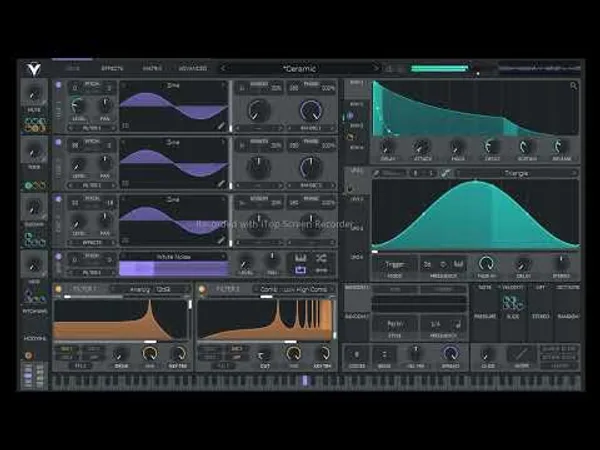
Phase Plant

7.5 / 10 Score

Best for Modular FM

FM as one option inside a modular rack, which is more flexible than any dedicated engine here and slower to reach.

How it scored

  • FM Engine Depth Best in list 9.6

    Any oscillator can modulate any other, with no fixed algorithm list. Best here.

  • Sound Character 8.5

    Clean and neutral, so the character is whatever you build.

  • Workflow Speed 5.5

    An empty rack, every time. Joint lowest on the page.

  • CPU Footprint 6.5

    A deep FM patch here is one of the more expensive things on the page.

Why we picked it

Best for unlimited modern sound design because the incredibly open modular architecture perfectly captures the complex, highly colored metallic reflections of advanced FM synthesis.

Who should skip it

Avoid if you absolutely demand highly simple, perfectly straightforward analog subtractive layouts for your delicate classical cinematic scoring.

The good

  • Incredibly deep, unlimited modular FM routing architecture
  • Fantastic integrated snapin multi-effect system
  • Excellent visual modulation feedback

The bad

  • Lacks a straightforward, simple beginner interface
  • Completely open architecture can induce decision paralysis
  • Relatively high computer processing footprint on dense patches
Format
VST/AU/AAX
Protection
Serial Key
Why it scored that way · 1 min read This plugin provides the absolute best, most immediate modular patching available for creating massive, highly aggressive electronic basslines.

This plugin provides the absolute best, most immediate modular patching available for creating massive, highly aggressive electronic basslines.

Kilohearts Phase Plant utilizes an incredibly clever open architecture that allows you to instantly patch absolutely any oscillator directly into another as an FM modulator perfectly. The dedicated modulation routing lane is absolutely fantastic, instantly allowing you to connect complex LFOs and multipoint envelopes to literally any parameter imaginable. I constantly rely on this plugin when processing sterile drum loops because the incredibly dense FM routing adds massive explosive character without ever sounding artificially constrained.

Because it focuses entirely on incredibly complex, open-ended modular sound design, it completely lacks the perfectly straightforward, instantly recognizable layout of a classic analog synthesizer. Regardless of this intentional lack of simplicity, it is the best alternative available when you need completely unlimited, undeniable modern digital coloration. The included snapin effect system allows you to easily build massive, custom multi-effect chains directly inside the synthesizer interface.

Playing connects you to YouTube, which may set cookies.

Used by
Various Dubstep Producers Electronic Mixers Sound Designers
Lowest price we've recordedSince 20 Nov · 58 checks since 23 Aug Check price $99 (was $199)
05 Sugar Bytes

Aparillo

7.2 / 10 Score

Best for Cinematic FM

Not really an FM synth to program, which makes it the least useful entry here for learning and the most useful for a cue.

How it scored

  • FM Engine Depth Lowest in list 7.5

    Sixteen voices under gestural control rather than per-operator editing. Lowest here.

  • Sound Character 9.2

    Hypnotic and cinematic, and it never turns harsh.

  • Workflow Speed 5.5

    The Orbit system rewards experimenting rather than intent.

  • CPU Footprint 6.5

    Heavy once the modulation and effects are all running.

Why we picked it

Best for hypnotic cinematic ambiances because the incredibly complex orbit modulation perfectly enhances sustained drones without ever sounding harsh.

Who should skip it

Avoid if you specifically want highly realistic, completely dry analog subtractive bassline modeling and absolutely despise creative, unnatural modulation.

The good

  • Incredibly unique and deeply hypnotic Orbit modulation system
  • Fantastic integrated algorithmic cinematic effect section
  • Excellent expressive visual controller morphing

The bad

  • Incapable of standard, straightforward analog subtractive bassline modeling
  • Highly modulated effect may distract from lead melodies
  • Extremely unconventional workflow requires significant practice
Format
VST/AU/AAX
Protection
Serial Key
Why it scored that way · 1 min read This collection provides the absolute best, most hypnotic ambient digital coloration available for sophisticated, highly immersive cinematic scoring tasks.

This collection provides the absolute best, most hypnotic ambient digital coloration available for sophisticated, highly immersive cinematic scoring tasks.

Sugar Bytes Aparillo perfectly captures the incredibly smooth, mastering-grade resonance of advanced digital FM but expands the modulation far beyond physical hardware limitations via its unique Orbit system. The integrated algorithmic modulation section is absolutely fantastic, allowing you to instantly create massive, undulating rhythmic beds from a simple sustained MIDI chord without ever destroying the fundamental presence of the performance. I heavily rely on the orbit controller feature when mixing delicate ambient drones because it allows for incredibly expressive, smooth parameter morphing during live playback.

Because it focuses entirely on highly extended, deeply hypnotic cinematic modulation, it is completely incapable of achieving tight, dry, realistic analog bassline modeling. Even with this strict limitation, it remains the absolute best creative alternative to standard, boring analog subtractive synthesizers. The incredibly futuristic interface flawlessly visualizes the complex chaotic orbits, making it a complete joy to operate during long psychedelic scoring sessions.

Used by
Cinematic Composers Ambient Sound Designers Psychedelic Producers
Lowest price we've recordedSince 20 Nov, the 2nd time this low · 58 checks since 23 Aug Check price $49 (was $99)
Read more →

Methodology

Who is this for

Working composers and producers who need reliability, speed, and character for professional scoring tasks.

Our testing process

Where we have tested a product, we do it in actual production scenarios, ranging from rapid sketches to commercial pitches, and we evaluate it in a dense template rather than in isolation. Where we have not, the product card says so and the assessment is drawn from specifications and documented behaviour instead.

Why you should trust us

We buy most reviewed plugins ourselves. Occasionally we receive NFRs for evaluation, but this never guarantees a review or positive verdict. We may earn commissions from links, but our editorial choices are never for sale.

Also considered

For every category, we audition the top 8 to 15 standard options, discarding any that suffer from poor scripting, slow load times, or uninspiring sampling.

Frequently Asked Questions

Why is FM programming so much harder than subtractive?

Because the controls are not proportional to the result. Turning a filter down always makes a sound darker, while a small change to an FM ratio can move a patch from an electric piano to a clang with nothing recognisable in between. Learn a few ratios and what they do rather than sweeping parameters and hoping.

What is an operator and what is an algorithm?

An operator is a sine oscillator with its own envelope. An algorithm is the wiring diagram that says which operators you hear, called carriers, and which ones bend the pitch of others, called modulators. Changing algorithm rather than changing values is usually the fastest way out of a patch that will not behave.

Which frequency ratios should I start with?

Whole number ratios such as 1:1, 1:2 and 1:3 keep the result harmonic and pitched, which is what you want for basses, keys and anything that has to play a melody. Non whole number ratios such as 1:1.41 produce inharmonic partials, which is where bells, mallets and metallic percussion come from.

Is FM only useful for bells and electric pianos?

No, and that reputation comes from the 1980s presets rather than the method. FM is the backbone of modern bass design, since fast modulation of the carrier is what produces the growling and talking movement in heavy electronic music. Recent synths add wave folding and feedback on top, which takes it further from the DX sound.

Written By

Ewan Clarke

Ewan is a sound designer whose patches have appeared in major wavetable synths and cinematic scoring libraries. A self-confessed modular addict, he bridges the gap between West Coast experimentation and pop-ready polish. He believes every preset should tell a story.

Related Guides

All Guides →

New reviews, no noise

Occasional email when we publish something worth your time. No daily digest, no vendor press releases.

We store only your address, never sell it, and delete it as soon as you unsubscribe. See our privacy policy.