

Best Valhalla VintageVerb Alternatives

Replacing VintageVerb is an unusual thing to want. It costs fifty dollars, runs on almost no CPU and sounds better than plugins ten times the price. The honest answers are all about a specific job it does not do.

The ModWheel Team
By The ModWheel Team Editorial Staff

ModWheel is reader-supported. When you buy through links on this page we may earn an affiliate commission, at no extra cost to you. This never influences which products we recommend, read our testing methodology.

Prices come from the store's own feed and were last checked 17 October 2026. We don't issue discount codes — the price you see is the store's own.

Pick one in 10 seconds

Short version
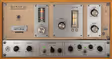
  • You want a real plate rather than an algorithm imitating one Five plates in one plugin, the widest coverage of the type available. SuperPlate Check price
  • You want the plate sound with a drive stage you can lean on The most musical saturation attached to a plate here, at 99 dollars. Rev PLATE-140 Check price
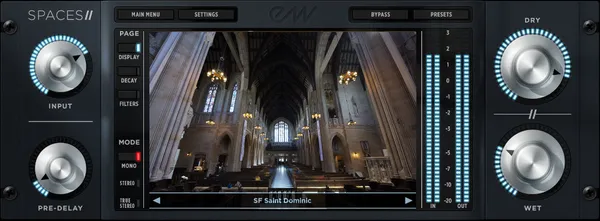
  • You need a real room, measured rather than modelled Actual impulse responses, and the cheapest honest route to realism. IR1 Convolution Reverb Check price
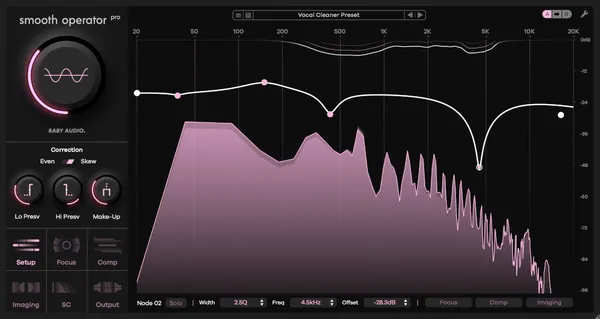
  • The reverb is the sound design rather than the space Multiband control over the tail, which no algorithmic reverb offers. MConvolutionMB Check price
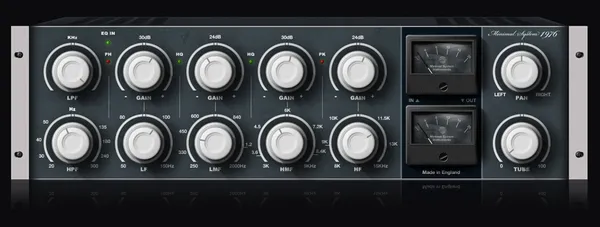
  • You want a plate for less than the price of dinner Forty-nine dollars and the fastest route here to a biting drum sound. RO-140 Check price

Compare all 5

Method
Plate modelling
Best At
Snares and lead vocals
Rev PLATE-140 8.1
Method
Plate modelling
Best At
Saturated tails
Method
Convolution
Best At
Believable spaces
$34 $129 View price
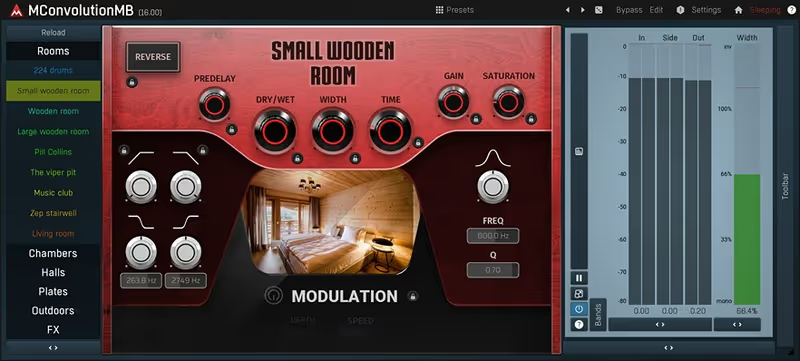
MConvolutionMB
4. MConvolutionMB MeldaProduction
6.4
Method
Multiband convolution
Best At
Tails as an effect
RO-140
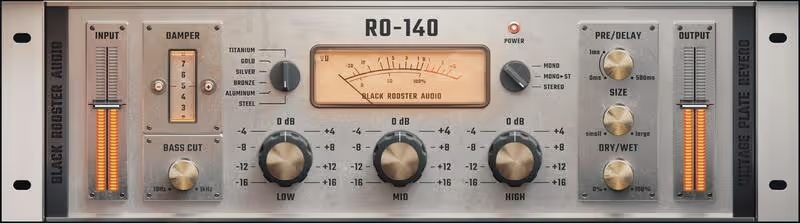
5. RO-140 Black Rooster Audio
8.4
Method
Plate modelling
Best At
Fast drum plates

Be clear about why you are here, because it changes the answer completely. VintageVerb is an algorithmic reverb with deliberate era colouring, and it is excellent at that. The three reasons to want something else are a real room, a real plate, and reverb as a design element rather than a space.

So the axes below score the swap. A convolution reverb wins on realism and loses everything VintageVerb gives you in flexibility, which is not an upgrade, it is a different tool. Nothing here makes VintageVerb redundant and this page does not pretend otherwise.

Nothing was tested in a studio and every card says so. The scores come from published specification and documented behaviour, and the verdicts agree with what this site has already published about these plugins elsewhere.

Best Convolution Reverbs (2026): Real Spaces covers the realism route in full.

Top Picks

01 Soundtoys Best Overall

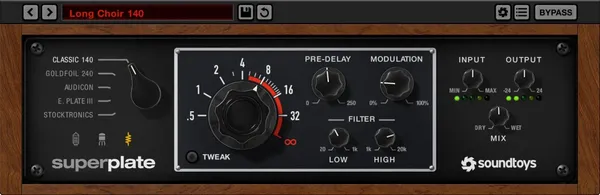
SuperPlate

Best for Plate Reverb

Not tested by us, assessed from specs and documented behaviour

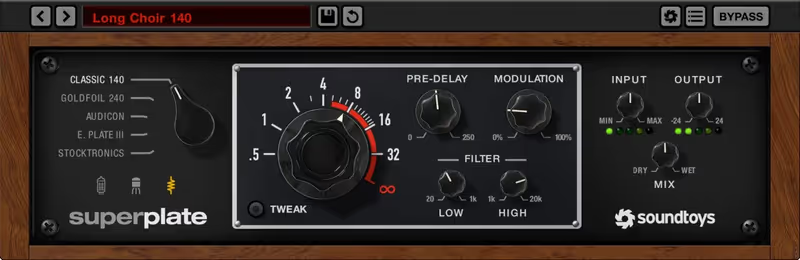
The strongest reason to spend money when you already own VintageVerb. A real plate has a density and a metallic decay an era-modelled algorithm approximates rather than reproduces, and this covers five of them.

Assessed score
7.8
out of 10

How it scored

  • Character Match 8.0

    Not a VintageVerb substitute. A different and more specific colour.

  • Workflow Speed 8.5

    One interface across five plates, so comparison is a switch rather than a reload.

  • CPU Footprint 7.0

    Heavier than VintageVerb, which is true of everything on this page.

  • Value 7.5

    Three times the price, for a category VintageVerb only approximates.

Why we picked it

Best for engineers who want a genuine plate on snares and vocals rather than an algorithm shaped to resemble one.

Who should skip it

Skip it if you want one reverb covering every space, because this deliberately does a single type.

The good

  • Five plates, one interface
  • Tube and solid-state input stages
  • Genuine plate density

The bad

  • One reverb type only
  • Heavier than VintageVerb
  • Three times the price
Method
Plate modelling
Best At
Snares and lead vocals
Price
$149
Why it scored that way

Five plates where VintageVerb has an algorithm.

This is the clearest case on the page for spending money you did not have to spend. A plate reverb is a sheet of metal under tension, and its decay is dense and metallic in a way that an algorithm shaped to sound like the 1980s gets close to without landing on. On snares and on lead vocals that difference is audible rather than theoretical.

What makes SuperPlate the pick over the others in its category is coverage. Five modelled plates sit behind one control set, so choosing between them is a switch rather than an A and B test across three plugins, and the input stage offers both tube and solid-state colouring before the reverb even starts.

The honest caveat is that this narrows rather than widens your options. VintageVerb covers halls, chambers, rooms and its own take on plates from a single window at almost no CPU cost at all. SuperPlate does exactly one of those things properly and nothing else whatsoever, which means it joins your chain alongside VintageVerb rather than replacing anything already in it.
Heard on
Vocal Mixing Drum Mixing Pop Production
Check price $149
02 Arturia

Rev PLATE-140

Best for Driven Plate

Not tested by us, assessed from specs and documented behaviour

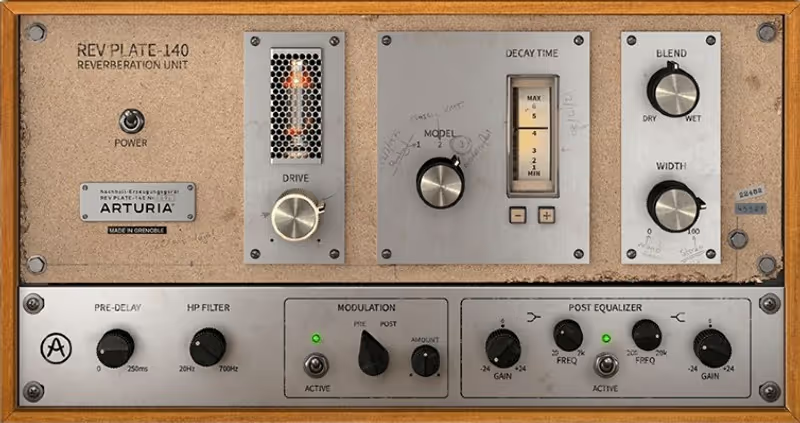
The pick if the thing you actually miss is saturation in the tail. Its drive stage is the most musical on this page and it reaches a usable plate sound at half the price of the wider option above.

Assessed score
8.1
out of 10

How it scored

  • Character Match 7.5

    A single plate rather than a family, and a coloured one.

  • Workflow Speed 8.8

    Few controls and a fast route to a finished tail.

  • CPU Footprint 7.5

    Reasonable, and not in VintageVerb's class.

  • Value 8.5

    Ninety-nine dollars, and it often appears in Arturia bundles.

Why we picked it

Best for engineers who want the classic plate sound with a drive stage they can genuinely lean on.

Who should skip it

Skip it if you need halls and chambers too, because this is one plate and nothing else.

The good

  • Best drive stage here
  • Fast to a finished tail
  • Half the price of rivals

The bad

  • A single plate model
  • No halls or chambers
  • Coloured rather than neutral
Method
Plate modelling
Best At
Saturated tails
Price
$99
Why it scored that way

The plate that lets you push it.

The EMT 140 is the plate most people mean when they say plate, and this is a model of it with something the original never had, which is a drive stage worth using. Pushing a reverb tail into saturation is a standard move on drums and on aggressive vocals, and doing it inside the reverb rather than after it keeps the character coherent.

Against SuperPlate it is narrower and considerably cheaper. One plate rather than five, fewer input options, and a smaller set of controls to learn. For an engineer who wants the sound rather than the collection that is the correct trade, and the speed to a finished tail is genuinely faster for having less on screen.

The caveat is the same one that applies to everything here. This is a colour rather than a utility, so it will not cover the halls and chambers VintageVerb handles without complaint. Nobody should sell VintageVerb to buy this, and that is worth saying plainly on a page about alternatives.

Heard on
Drum Mixing Rock Vocals Pop Production
Check price $99
03 Waves

IR1 Convolution Reverb

Best for Real Rooms

Not tested by us, assessed from specs and documented behaviour

The cheapest honest route to realism on this page. Convolution replays a room that existed rather than describing one, and for anything cut to picture that difference is the whole argument.

Assessed score
6.9
out of 10

How it scored

  • Character Match 6.0

    Deliberately unlike VintageVerb. Accuracy instead of colour.

  • Workflow Speed 6.5

    Loading and auditioning impulses is slower than turning a knob.

  • CPU Footprint 6.0

    Convolution costs more than an algorithm, and adds latency.

  • Value 9.0

    Thirty-five dollars, which is remarkable for what it does.

Why we picked it

Best for orchestral work and anything cut to picture, where the reverb has to sound like a real place.

Who should skip it

Skip it if you shape reverb heavily, because a sampled space resists being shortened or reshaped.

The good

  • Genuine measured rooms
  • Thirty-five dollars
  • Editable envelope and damping

The bad

  • Slow to audition
  • Adds latency
  • Almost no flexibility
Method
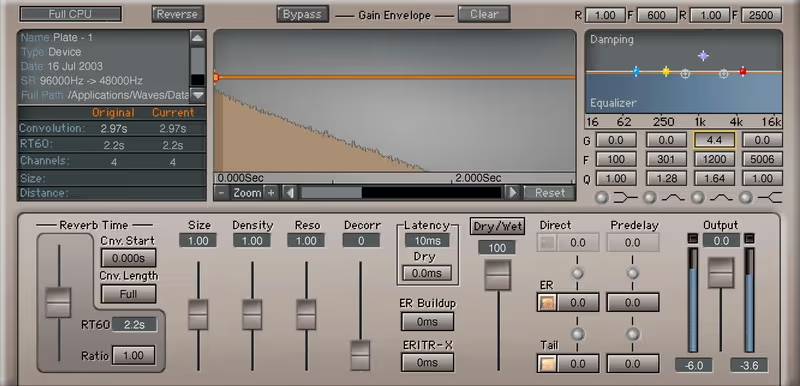
Convolution
Best At
Believable spaces
Price
$34
Why it scored that way

A measured room, where VintageVerb gives you a modelled one.

Convolution is a different technology rather than a better one. It replays the measured response of a real space, so the early reflection pattern is the one that room actually had, and no algorithm reproduces that convincingly because the pattern is too complex to describe. For orchestral work and for anything that has to sound like a place, this is the honest route.

What you give up is everything VintageVerb is good at. You cannot meaningfully shorten a sampled hall without it sounding wrong, the colour is whatever the room had on the day, and auditioning options means loading files rather than turning a knob. It is slower to work with and less forgiving of indecision.

At thirty-five dollars it is also the cheapest thing on this page by some distance, which makes it easy to own alongside VintageVerb rather than instead of it. That is genuinely how most engineers end up using the two, reaching for an algorithm when the reverb needs shaping to fit and for a convolution when the space has to be believed rather than merely heard.

Playing connects you to YouTube, which may set cookies.

Heard on
Orchestral Mixing Film Scoring Post Production
Check price $34 (was $129)
04 MeldaProduction

MConvolutionMB

Best for Design Reverb

Not tested by us, assessed from specs and documented behaviour

The right answer when the reverb is the effect rather than the space. Splitting the tail into bands and treating each separately is something no algorithmic reverb offers, VintageVerb included.

Assessed score
6.4
out of 10

How it scored

  • Character Match 5.5

    Furthest from VintageVerb here, and deliberately so.

  • Workflow Speed 5.5

    Deep and slow. This is a design tool, not a send you dial in.

  • CPU Footprint 6.5

    Multiband convolution is the heaviest option on this page.

  • Value 8.0

    Fifty-four dollars for control nothing else here offers.

Why we picked it

Best for sound designers who want per-band control over a reverb tail rather than a single space to place things in.

Who should skip it

Skip it as a general mixing reverb, because the depth costs time you will not want to spend on a send.

The good

  • Per-band tail control
  • Genuinely unique capability
  • Fifty-four dollars

The bad

  • Heaviest CPU here
  • Dense interface
  • Slow to a usable sound
Method
Multiband convolution
Best At
Tails as an effect
Price
$54
Why it scored that way

The one that treats reverb as sound design.

This entry is for a narrower reader than the rest of the page: somebody whose complaint about VintageVerb is not its sound but its lack of surgical control. A multiband convolution reverb lets you keep a long tail on the top end while damping the low mids entirely, or reverse only one band, which is a design operation rather than a mixing one.

That capability is genuinely unavailable anywhere else on this page. Every other option here gives you a single tail and asks you to EQ it afterwards, which is a coarser and frequently muddier way of reaching the same intention. Doing the work inside the reverb rather than after it keeps the decision reversible and the result considerably cleaner.

The costs are real and stack up. It is the heaviest CPU option here, the interface is dense in the way Melda interfaces generally are, and the distance from opening it to hearing something useful is longer than anything else on the page. It belongs in a sound design chain rather than on a vocal send.

Playing connects you to YouTube, which may set cookies.

Heard on
Sound Design Trailer Risers Game Audio
Check price $54
05 Black Rooster Audio

RO-140

Best for Budget Plate

Not tested by us, assessed from specs and documented behaviour

The budget entry to this page and a genuinely good one. It reaches a biting drum plate faster than anything else here and refuses to do very much else, which at forty-nine dollars is the correct bargain.

Assessed score
8.4
out of 10

How it scored

  • Character Match 7.5

    A convincing plate, without the range of the pricier models.

  • Workflow Speed 9.2

    Fewest controls on the page and the fastest to a usable sound.

  • CPU Footprint 8.0

    Light for a plate model, still above VintageVerb.

  • Value 9.0

    Forty-nine dollars, and frequently discounted below that.

Why we picked it

Best as a first plate reverb, and for engineers who want a biting drum sound in seconds rather than minutes.

Who should skip it

Skip it if you shape tails in detail, because the control set is deliberately minimal.

The good

  • Forty-nine dollars
  • Fastest to a drum plate
  • Tube preamp stage

The bad

  • Minimal control set
  • One plate only
  • Less musical when pushed
Method
Plate modelling
Best At
Fast drum plates
Price
$49
Why it scored that way

The cheapest way onto a real plate.

RO-140 is the answer for somebody who read the SuperPlate entry, agreed with the argument about plates, and does not want to spend a hundred and fifty dollars to test it. It models the same EMT 140 as the Arturia above, with fewer controls and a tube preamp stage, and it gets to a hard, biting drum plate faster than anything else on this page.

The small control set is a feature rather than a limitation at this price. There is very little to get wrong, the defaults are sensible, and on a snare bus it does the job in about fifteen seconds. Engineers who want to shape a tail in detail will find it thin, and they are not who it is for.

Set expectations properly against the rest of the category. It is not as versatile as five modelled plates and not as musical when pushed as the Arturia drive stage. What it is, is most of the plate sound for a third of the money, which for a great many mixes is exactly the right trade.

Heard on
Drum Mixing Rock Production Home Studios
Check price $49
Read more →

Methodology

Who is this for

Working composers and producers who need reliability, speed, and character for professional scoring tasks.

Our testing process

Where we have tested a product, we do it in actual production scenarios, ranging from rapid sketches to commercial pitches, and we evaluate it in a dense template rather than in isolation. Where we have not, the product card says so and the assessment is drawn from specifications and documented behaviour instead.

Why you should trust us

We buy most reviewed plugins ourselves. Occasionally we receive NFRs for evaluation, but this never guarantees a review or positive verdict. We may earn commissions from links, but our editorial choices are never for sale.

Also considered

For every category, we audition the top 8 to 15 standard options, discarding any that suffer from poor scripting, slow load times, or uninspiring sampling.

Frequently Asked Questions

Is there a free alternative to Valhalla VintageVerb?

Valhalla themselves publish free reverbs, including Supermassive, and they are genuinely good rather than crippled demos. They do not cover the same ground, because Supermassive is built for long, modulated, unrealistic tails rather than for placing something in a plausible room, but they cost nothing to try.

Why would anyone replace VintageVerb at fifty dollars?

Usually for one specific job rather than out of dissatisfaction. The three that come up repeatedly are a genuine plate, a measured real room through convolution, and per-band control over the tail. None of those is something VintageVerb was built to do, and all three are additions to a chain rather than replacements.

Is convolution better than an algorithmic reverb?

Only at realism, and it pays for that with flexibility. A sampled hall cannot be meaningfully shortened without artefacts, it costs more CPU and it adds latency. Most engineers end up owning both, using an algorithm to shape and a convolution when the space has to be believed.

Does VintageVerb still hold up in 2026?

Yes. At fifty dollars with negligible CPU cost and three distinct era models it remains one of the strongest value propositions in audio software. This page exists because it does not do plates, real rooms or multiband tails, not because it has been surpassed at what it does.

Written By

The ModWheel Team

The ModWheel editorial team is a collective of composers, producers, and sound designers. We collaborate to bring you comprehensive guides, industry news, and curated lists that represent our shared expertise and passion for music technology.

Related Guides

All Guides →

New reviews, no noise

Occasional email when we publish something worth your time. No daily digest, no vendor press releases.

We store only your address, never sell it, and delete it as soon as you unsubscribe. See our privacy policy.